 St. Petersburg Roofing
 Built for Pinellas Park's Weather, Not Just the Average Florida Job
Pinellas Park sits inland from the Gulf but still gets the full weather package that comes with living in Pinellas County: long stretches of intense UV exposure, salt-laden air pushing in off Tampa Bay and the Gulf, sudden afternoon thunderstorms with wind-driven rain, and the real chance of a hurricane or tropical system testing every seam on a roof, wall, and window. Homes here run the gamut from older mid-century ranch houses to newer construction, but almost all of them share the same exposure. A roof or siding system that would hold up fine in a drier, cooler climate often struggles here within a fraction of its expected life.
St. Petersburg Roofing Co works throughout St. Petersburg and the surrounding Pinellas County communities, including Pinellas Park, and we build every job around what this climate actually does to a house over time — not just what looks good on installation day.
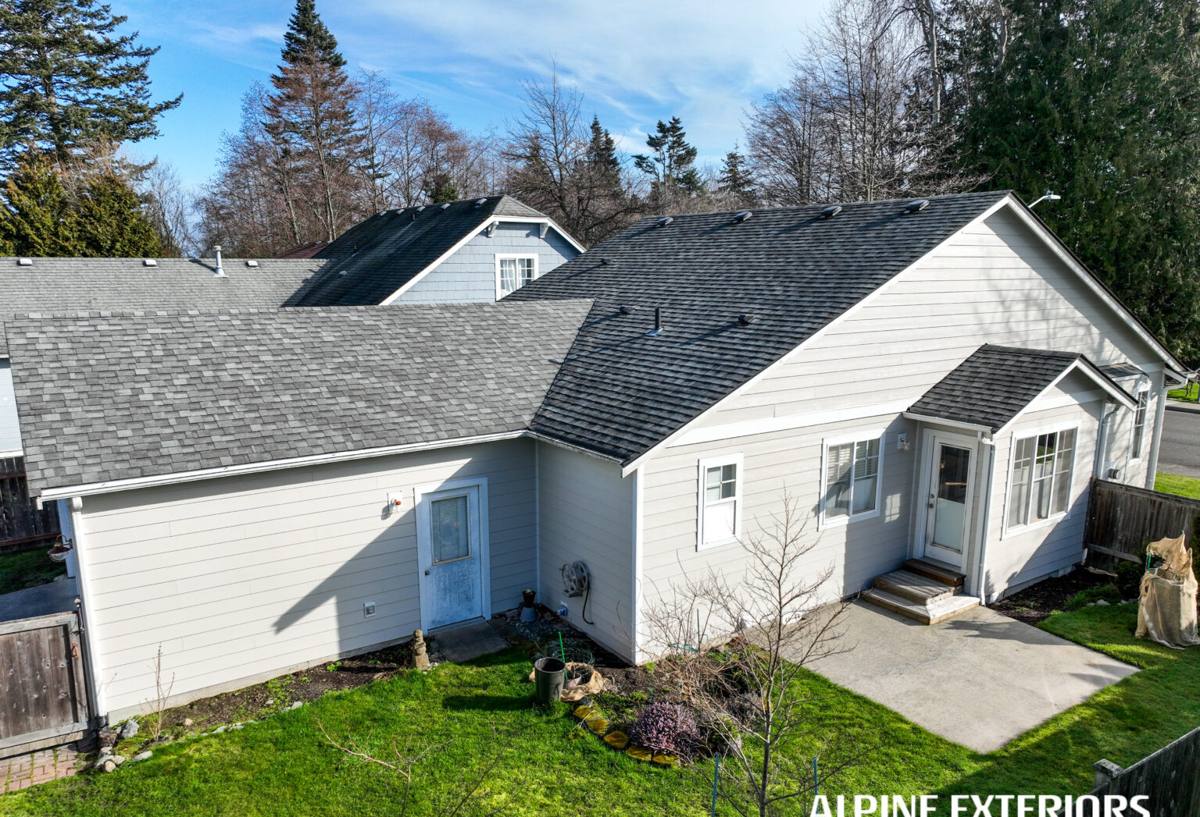
What Florida Sun, Salt Air, and Storms Do to a Home's Exterior
UV and Heat
Florida gets some of the most consistent, intense UV exposure in the continental United States. On roofing, that means asphalt shingles lose oils and granules faster than the manufacturer's climate-neutral warranty numbers would suggest. On siding, it means paint and finishes fade and chalk sooner, and lower-grade materials can warp or become brittle. Attic temperatures in an under-ventilated Pinellas Park home can climb well past 130°F on a summer afternoon, which stresses roofing materials from underneath as well as above.
Wind-Driven Rain
Afternoon storms here don't just drop rain straight down — wind pushes it sideways, under shingle laps, around window flashing, and into any gap in siding that wasn't sealed correctly. Most of the leaks we get called out for aren't from a single catastrophic failure; they're from years of wind-driven rain finding a small installation flaw and slowly working it wider.
Salt Air and Corrosion
Even away from the immediate coastline, salt air travels inland on Gulf breezes and settles on metal fasteners, flashing, gutters, and hardware. Untreated or low-grade metal components corrode faster here than almost anywhere else in the country. It's one of the most overlooked factors in how long a roof or siding job actually lasts, because the fasteners and flashing usually fail before the field material does.
Hurricane and Tropical Storm Wind Loads
Pinellas County homes are built to Florida Building Code wind requirements, and for good reason — this is a wind-borne debris region, and every named storm that tracks anywhere near the Tampa Bay area puts real load on roofs, siding, and windows. Proper fastening schedules, underlayment, and attachment details aren't optional upgrades here; they're the difference between a home that rides out a storm and one that doesn't.
Roofing in Pinellas Park
We install and repair asphalt shingle, tile, and metal roofing systems, and we help homeowners weigh the real trade-offs for a Pinellas County home rather than pushing one product for every job.
| Roofing Type | Typical Lifespan Here | Wind/Storm Notes | Maintenance |
|---|---|---|---|
| Architectural Asphalt Shingle | 15-25 years | Rated products with proper nailing pattern hold up well; quality of installation matters more than brand | Periodic inspection, gutter cleaning, prompt repair of storm damage |
| Concrete/Clay Tile | 30-50 years | Heavy and wind-resistant when fastened correctly; individual tiles can crack from debris impact | Occasional tile replacement, underlayment is the real long-term wear item |
| Standing Seam Metal | 40-60 years | Excellent wind uplift resistance with proper clip spacing; reflects heat well | Low; check fasteners and sealant at penetrations periodically |
Underlayment and flashing details matter as much as the surface material. A shingle roof with a properly lapped, storm-rated underlayment will outperform a "premium" shingle installed over a cut-rate underlayment every time. We spec underlayment, drip edge, and flashing to hold up against wind-driven rain specifically, not just to meet the minimum code requirement.
Siding for Humidity, Sun, and Salt
Siding in Pinellas Park has to manage two things at once: keep bulk water out during wind-driven rain, and let incidental moisture escape rather than trapping it against the wall sheathing. Florida's humidity means any siding system that traps moisture behind it is a mold and rot problem waiting to happen, regardless of how good it looks new.
We install fiber cement and vinyl siding systems, and our installation standard is built around proper house wrap, flashing at every window and door opening, and ventilated details behind the cladding. We generally steer homeowners away from siding assemblies with a documented history of trapping moisture in humid climates — not because a product is "bad," but because our professional standard is to install systems whose moisture behavior is well understood and forgiving of Florida's climate, and whose warranty structure holds up if something does go wrong. We're glad to walk through the honest trade-offs — cost, maintenance, appearance, and moisture performance — for your specific home.
Windows: Wind, Water, and Energy Bills
Window replacement in Pinellas County isn't just about curb appeal or energy savings — it's a structural decision. Impact-rated windows resist wind-borne debris, reduce the pressure changes that can stress a roof structure during a storm, and cut down on the wind noise and UV heat gain that come standard with older single-pane units. They also tend to lower cooling costs significantly, which matters in a climate where the AC runs most of the year.
Correct installation is what actually determines whether a window performs as rated. A window with the right impact rating but poor flashing and sealant work around the frame will still leak in a wind-driven rain event. We install with the flashing and sealing details the window manufacturer specifies, not a shortcut version.
Windows: Key Questions Before You Buy
- Is the window impact-rated, or does it rely on separate storm shutters/panels?
- What's the documented wind pressure rating, and does it match your home's exposure?
- Low-E glass coating — does it fit your home's sun exposure and orientation?
- Frame material: vinyl, aluminum, or composite, and how each handles heat and salt air over time
- What's actually covered under the manufacturer warranty versus the installation warranty?
Decks in a Humid, Sun-Heavy Climate
Outdoor living space is a year-round feature in Pinellas Park, which means decks take a beating from constant sun exposure, humidity, and the occasional heavy storm. Wood decking requires real ongoing maintenance here — sealing, staining, and inspection for rot are not optional if you want it to last. Composite decking costs more upfront but trades that maintenance burden for consistent performance against moisture, UV fading, and insect damage.
Whichever material you choose, the structural framing underneath matters as much as the decking boards. We use fasteners and hardware rated for coastal/humid exposure, because standard hardware corrodes faster here and is one of the most common causes of premature deck failure — usually well before the visible decking shows its age.
Why a Local Crew Matters
A crew that works Pinellas County regularly knows the difference between a spec that meets code on paper and one that actually holds up through a Tampa Bay summer storm season. We know which flashing details tend to fail first in wind-driven rain, which fastener grades actually resist salt air corrosion here, and how attic ventilation needs to be handled in homes that weren't originally built with today's insulation standards. That local, repeated experience — not a generic national install manual — is what shows up in how long the work lasts.
It also matters after the sale. If a storm rolls through and you need someone to look at a roof, a section of siding, or a window seal, you want a crew that's local, reachable, and already familiar with the kind of construction common in this area.
Homeowner Maintenance Checklist for Pinellas Park
Between professional inspections, a few simple habits go a long way toward catching problems before they become expensive ones:
- Walk the roofline after any significant storm and look for lifted or missing shingles/tiles from the ground
- Clean gutters and downspouts at least twice a year — clogged gutters push wind-driven rain back under roofing edges
- Check exterior caulking and sealant around windows and doors annually; UV and heat break it down faster here
- Look for chalking, fading, or soft spots on siding, especially on the sun-exposed side of the house
- Inspect exposed deck fasteners and hardware for rust staining, a common early sign of corrosion
- Trim vegetation away from siding and roof edges to reduce moisture retention and debris impact risk
- After any tropical storm or hurricane watch/warning, schedule a professional exterior check even if nothing looks obviously wrong
Getting Started
Every home in Pinellas Park has its own combination of age, sun exposure, and prior repair history, so we don't quote roofing, siding, window, or deck work off a generic price list. If you'd like an honest, no-pressure look at what your home actually needs and what it would cost to do it right, request a free estimate using the form below.