 St. Petersburg Roofing
 Why Roof Replacement Quotes Vary So Much
Ask three roofing contractors for a price on the same house and you'll often get three different numbers. That's not because someone is padding the bill or someone else is cutting corners — it's because a roof replacement price is built from a long list of variables, and every contractor weighs them a little differently. Our goal on this page isn't to give you a single number, because an honest number doesn't exist without seeing your roof. Instead, we want to walk through what actually moves the price up or down, so you can look at any quote — ours or a competitor's — and understand what you're paying for.
In St. Petersburg and the rest of Pinellas County, there's an added layer on top of the usual cost drivers: our climate is hard on roofs. Hurricane-force winds, intense year-round UV exposure, wind-driven rain, and salt air off the Gulf and Tampa Bay all accelerate wear and shape what a roof needs to hold up here. That reality shows up in material choices, fastening requirements, and code compliance — all of which affect price.
Roof Size, Pitch, and Complexity
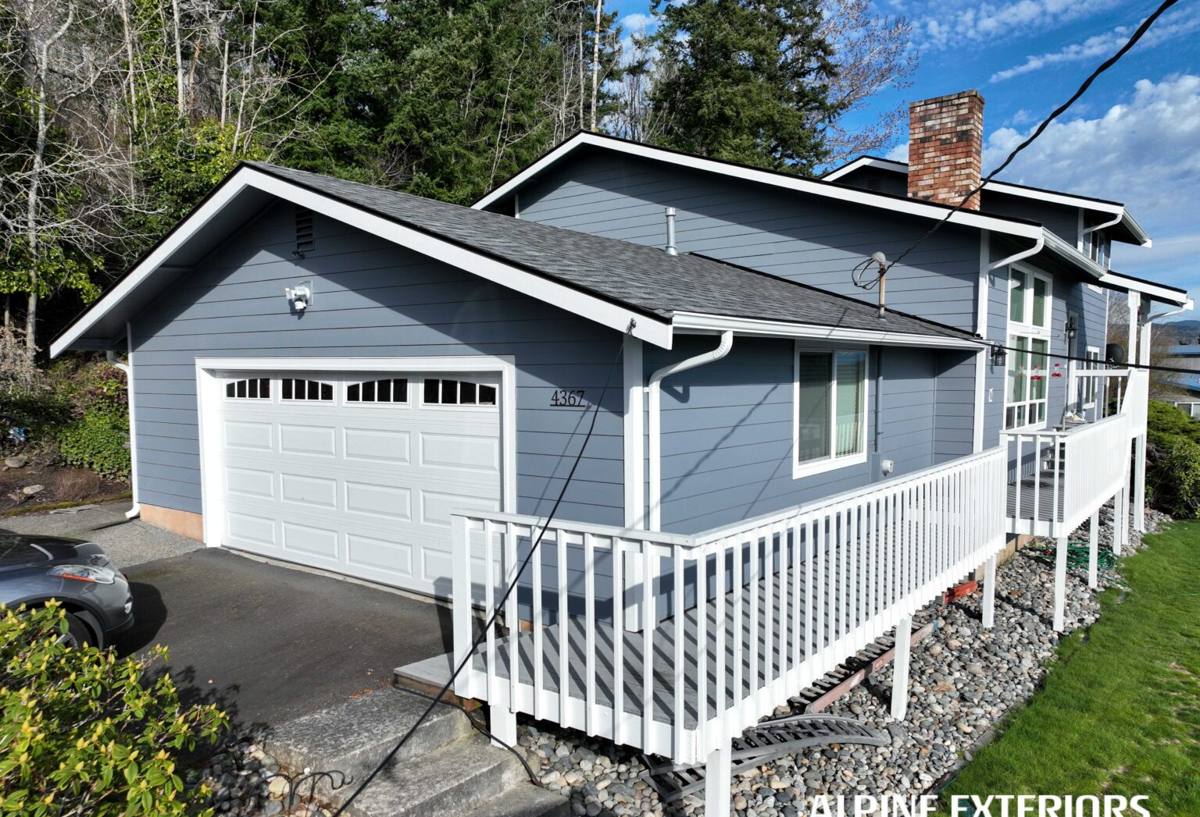
The single biggest driver of cost is simple square footage — more roof means more material and more labor hours, full stop. But size alone doesn't tell the whole story. Two houses with identical square footage can cost noticeably different amounts to reroof based on:
- Pitch (steepness): Steep roofs require more safety equipment, slower and more careful work, and sometimes specialized fall-protection setups, which adds labor time.
- Number of planes, valleys, and penetrations: A roof with multiple dormers, hips, valleys, skylights, and chimneys takes longer to flash correctly than a simple gable roof of the same size.
- Layers of existing roofing: If your roof already has two layers of old shingles, a full tear-off adds disposal cost and labor that a single-layer tear-off doesn't.
- Accessibility: Tight side-yard access, tall trees, pools directly under the roofline, or a second-story-only roof all affect how efficiently a crew can stage material and work safely.
A knowledgeable estimator walks the property and measures the roof before giving a real number — anyone quoting a firm price over the phone without seeing the house is guessing.
Material Choice: The Biggest Lever You Control
Material is where homeowners have the most control over the final price, and it's worth understanding the trade-offs rather than just picking the cheapest option.
| Material | General Cost Position | Typical Lifespan | Notes for This Climate |
|---|---|---|---|
| Architectural asphalt shingle | Lower to mid | 15-25 years | Good value; look for a wind rating suited to hurricane exposure |
| Standing seam metal | Mid to higher | 40-60+ years | Strong wind performance; sheds rain well; higher upfront cost offset by longevity |
| Concrete or clay tile | Higher | 40-50+ years | Heavy — structure must support it; underlayment quality matters as much as the tile itself |
| Flat/low-slope membrane (TPO, modified bitumen) | Varies by system | 15-25 years | Common on additions, porches, and some ranch-style roofs; seam quality is critical |
Within each category, price also shifts with the manufacturer's product tier — a builder-grade shingle and a high-wind-rated architectural shingle from the same brand can carry a meaningful price gap, and that gap usually buys real performance, not just a longer warranty on paper.
Underlayment and Fasteners Matter More Than People Think
What's underneath the visible roofing material often gets less attention than it deserves, but in a coastal wind and rain environment it's arguably as important as the shingle or metal panel on top. Synthetic or self-adhering underlayment, proper nail patterns, and corrosion-resistant fasteners all add small amounts to the bill individually, but together they're a major factor in whether a roof survives a bad storm season intact. We don't consider these optional upgrades here — we consider them the baseline for a roof that has to deal with wind-driven rain.
What Pinellas County's Climate Adds to the Job
Roofing here isn't the same job as roofing in a drier, calmer inland climate, and the price reflects that. A few specific ways our conditions affect the work:
- Wind resistance requirements: Florida's building code sets minimum wind ratings for roofing assemblies based on your wind zone, and St. Petersburg's coastal exposure typically calls for higher-rated systems than you'd see required inland.
- Salt air corrosion: Metal flashing, fasteners, and vents near the coast corrode faster than the same components further from salt water, which is why fastener and flashing material quality is worth spending on rather than cutting.
- UV degradation: Florida sun is intense nearly year-round, which breaks down lower-quality asphalt shingles and some sealants faster than in milder climates — a factor in why we don't recommend the cheapest tier of shingle for full-sun roofs here.
- Wind-driven rain intrusion: Storms here rarely come straight down — rain gets pushed sideways into laps, valleys, and penetrations, which is why proper flashing detail work is non-negotiable, not a nice-to-have.
None of this means roofing in St. Petersburg is dramatically more expensive than elsewhere in Florida — it means the roof has to be built to a standard that holds up to real conditions, and cutting corners on that standard tends to show up as a leak or wind damage claim down the road rather than as savings.
What's Under the Old Roof: The Wildcard Cost
Every roof replacement quote should include a base price built from a visible inspection, and a separate, clearly stated rate for anything found once the old roofing comes off. This isn't a bait-and-switch tactic when it's disclosed upfront — it's honesty, because no one can know for certain what the deck looks like under decades-old shingles until it's exposed.
Common findings that add cost:
- Rotted or delaminated plywood/OSB decking that needs to be cut out and replaced sheet by sheet
- Damaged rafters or trusses from long-term leaks
- Inadequate or blocked attic ventilation that needs correcting before new roofing goes down
- Old flashing around chimneys or walls that's failed and needs full replacement, not just a re-seal
A contractor who quotes a price with zero mention of possible deck repair is either working on a very new roof or leaving out a line item you'll see later. Ask for the per-sheet decking replacement rate before the crew starts, not after.
Permits, Code, and Wind Mitigation
A full roof replacement in Pinellas County requires a building permit and inspection — that's not optional and it's not a fee we can waive to win a bid. Permit cost is typically a small line item relative to the overall job, but it matters for reasons beyond compliance: a permitted, inspected roof is documented for insurance purposes, and many insurers offer premium discounts for wind mitigation features (secondary water barrier, roof-to-wall connections, impact-rated components) that only get verified through the inspection process. A roof done without a permit can complicate a future home sale or an insurance claim, so treat "no permit needed" as a red flag rather than a savings.
Labor, Timing, and Crew Quality
Labor cost reflects crew size, experience, and how the work is scheduled. A rushed crew working through a job in a single long day isn't necessarily cheaper in the ways that matter — flashing details, fastener patterns, and cleanup all take real time to do correctly. Seasonal demand also plays a role: roofing crews across the county get busiest after major storm events, and pricing and availability can shift accordingly. Getting a roof addressed before it becomes storm-damaged, rather than after, generally gives you more control over both cost and timeline.
How to Compare Quotes Fairly
Because so many variables feed into a roofing price, the lowest number on paper isn't automatically the best value. When comparing estimates, check that each one specifies the same things:
- Exact material brand and product line, not just "architectural shingle"
- Underlayment type
- Whether full tear-off is included or the quote assumes an overlay
- Decking repair rate per sheet, disclosed upfront
- Flashing scope — full replacement vs. reuse of existing flashing
- Ventilation scope, including any changes to intake or exhaust venting
- Permit and inspection handling
- Warranty terms — both manufacturer material warranty and contractor workmanship warranty
- Cleanup and magnetic nail sweep for yard debris
If two quotes differ significantly and you can't tell why from the paperwork, ask both contractors to itemize. A contractor confident in their pricing will walk you through it line by line without hesitation.
Getting an Honest Number for Your Roof
Every point above is a general factor — the only way to know what your specific roof will cost is to have someone measure it, look at its condition, and talk through the material options that make sense for your home and budget. We offer free, no-pressure estimates for homeowners throughout St. Petersburg and Pinellas County, and we're glad to walk through exactly what's driving the number on your particular roof, with no obligation to move forward. Use the form below to request one.