 St. Petersburg Roofing
 Why "How Long Will My Roof Last?" Doesn't Have One Answer
Every homeowner in St. Petersburg asks some version of this question, usually right after a bad storm or when a neighbor's roof gets replaced. The honest answer is that lifespan depends on three things: the material installed, the quality of that installation, and the specific punishment your roof takes living in Pinellas County. A shingle roof rated for 25 years in a mild inland climate does not automatically get 25 years here. Between the UV load, the salt air rolling in off Tampa Bay and the Gulf, and the wind-driven rain that comes with every strong storm season, roofs in this part of Florida age differently than the manufacturer's brochure numbers suggest.
This page walks through what actually determines how long a roof lasts in this climate, material by material, so you can make a realistic plan instead of guessing based on a warranty sticker.
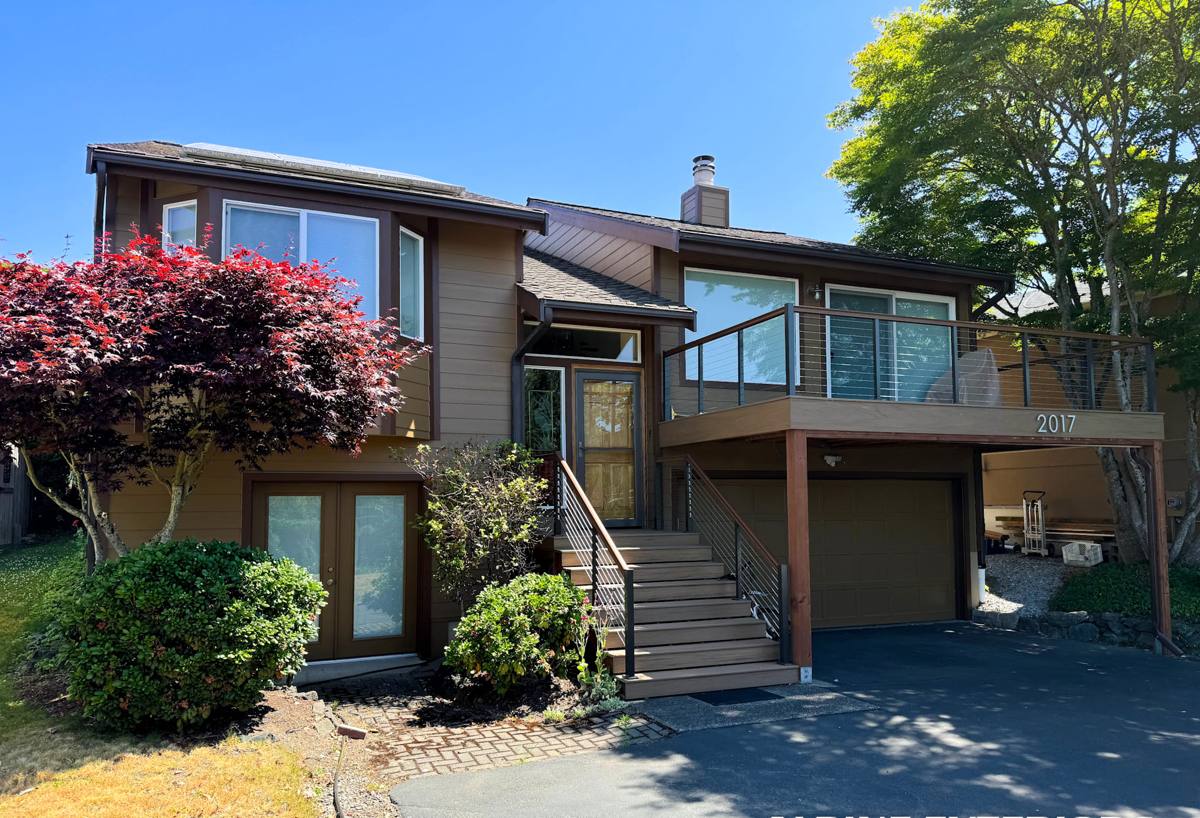
Manufacturer Lifespan vs. Real-World Lifespan Here
Manufacturer ratings are tested under standardized conditions that don't fully account for a coastal Gulf climate. In St. Petersburg, expect real-world service life to land toward the lower end of the published range, sometimes below it if the roof has poor attic ventilation, was installed during the rainy season without ideal conditions, or sits on a home close to the water where salt exposure is heaviest.
| Material | Manufacturer Rating | Typical Real-World Life Here |
|---|---|---|
| 3-tab asphalt shingle | 20 years | 12-18 years |
| Architectural (dimensional) shingle | 25-30 years | 18-25 years |
| Standing seam metal | 40-50 years | 35-45 years |
| Metal shingle/tile-profile panel | 40-50 years | 30-40 years |
| Concrete tile | 50 years | 30-45 years (underlayment usually fails first) |
| Clay tile | 50+ years | 40-50 years (tile itself; underlayment still the limiting factor) |
| TPO/modified bitumen (flat/low-slope) | 15-20 years | 12-18 years |
Notice the pattern with tile roofs: the tile itself can genuinely last decades, but the underlayment beneath it usually fails long before the tile does. A tile roof "failing" at 25 years is almost always an underlayment failure, not a tile failure. This matters when you're evaluating an older tile roof — the tile can look perfect while the waterproofing underneath it is done.
What "Life" Actually Means
A roof reaching the end of its life doesn't mean it collapses. It means the waterproofing layer has degraded to the point where leaks become a matter of when, not if, and the cost of chasing individual repairs starts to exceed the cost of replacement. Granule loss, brittle underlayment, and failed seals are gradual processes — by the time you see a leak, the roof has usually been losing protection for a while.
What Actually Shortens a Roof's Life in Pinellas County
UV Exposure
St. Petersburg gets sun nearly year-round, and that constant UV load breaks down asphalt oils in shingles and dries out sealants faster than in most of the country. This is the single biggest reason asphalt shingle roofs here trend toward the lower end of their rated lifespan. Lighter-colored roofing materials reflect more UV and tend to run cooler, which can meaningfully extend service life compared to dark shingles on a south- or west-facing slope.
Salt Air
Homes closer to Tampa Bay, Boca Ciega Bay, or the Gulf beaches deal with airborne salt that accelerates corrosion on any exposed metal — fasteners, flashing, drip edge, vents, and metal roofing panels themselves if they aren't rated for coastal exposure. This is why fastener and flashing material choice matters more here than it would inland. A roof installed with standard-grade fasteners near the water can show corrosion staining and loosening years before the same roof would inland.
Wind-Driven Rain
Straight-down rain is easy for any roof to shed. Wind-driven rain, the kind that comes sideways during a strong thunderstorm or tropical system, finds every weak point in flashing, underlayment laps, and shingle seals. Pinellas County sees this regularly outside of named storms, not just during hurricane season, and it's a major contributor to slow leaks that homeowners don't notice until there's a stain on a ceiling.
Hurricane-Force Wind Events
Even when a storm doesn't cause obvious damage, high wind events stress shingle seals, tile attachment, and flashing. A roof can survive a hurricane season with no visible problems and still have lost years of remaining life because seals were repeatedly flexed and partially released. This is one reason we recommend a post-storm inspection even when nothing looks wrong from the ground.
Installation Quality Matters as Much as the Product
Two identical shingles installed on two identical homes can have a 10-year difference in service life based on workmanship alone. The things that separate a roof that hits its expected lifespan from one that underperforms it are mostly invisible once the job is done:
- Proper nailing pattern and nail placement (high-nailing is a common shortcut that causes early blow-offs)
- Correct underlayment type and lap direction for the pitch and exposure
- Balanced attic ventilation, so heat and moisture don't cook the underside of the decking
- Flashing detail at every penetration, valley, and wall intersection, not just caulk as a substitute
- Fastener and flashing material appropriate for coastal salt exposure
- Manufacturer-specified starter strip and hip/ridge components, not job-site substitutes
We treat these as our baseline standard, not upsells, because in this climate the installation details are what separate a roof that reaches 25 years from one that needs attention at 12.
Signs Your Roof Is Approaching the End of Its Life
Most roof failures give warning signs well before an actual leak. Worth checking for, or having a professional check for, periodically:
- Granules collecting in gutters or at downspout discharge points
- Shingles that look curled, cupped, or have visible cracking
- Dark streaking that doesn't wash off (often algae, but also a sign of aging shingle surface)
- Soft spots or noticeable give when walked on (a sign of decking issues, not just surface wear)
- Visible daylight or gaps at flashing, especially around chimneys, skylights, and wall transitions
- Missing or lifted shingles after any wind event, even a minor one
- Rust staining running down from metal vents, flashing, or fasteners
- Interior ceiling stains, especially ones that appear or grow after a storm
Maintenance That Actually Extends Lifespan
Roofing maintenance in this climate isn't about babying the roof, it's about not letting small problems compound. The maintenance items that make a real difference in a coastal Gulf climate:
- Keep gutters clear. Standing water at the roof edge accelerates rot at fascia and drip edge, and backed-up water can work under shingles.
- Trim overhanging branches. Constant shade holds moisture against the roof surface and encourages algae and moss growth; falling debris damages shingle surface over time.
- Check attic ventilation. Poor airflow traps heat and moisture, which shortens shingle life from underneath, not just from sun exposure on top.
- Re-inspect after every significant wind event. Not just named storms — any thunderstorm with sustained high wind is worth a quick look, since seal damage isn't always visible from the ground.
- Address small leaks immediately. A minor leak left alone doesn't stay minor; wet decking and insulation compound the damage well beyond the original entry point.
Roof Age, Insurance, and Florida's 4-Point Inspection
In Florida, roof age has become a direct financial issue, not just a maintenance one. Most insurers require a 4-point inspection on homes with older roofs, and many carriers now decline to write or renew coverage on asphalt shingle roofs beyond a certain age, commonly somewhere in the 15-20 year range, regardless of the roof's actual condition. This means a roof can be functionally sound and still create an insurance problem simply due to its age on paper. If you're near that threshold, it's worth getting an honest condition assessment well before a renewal date forces the issue, so you have time to weigh repair, partial replacement, or full replacement instead of making a rushed decision under a cancellation notice.
Repair or Replace: How to Think About the Decision
Not every roof problem means a full replacement. The right call usually comes down to the roof's age relative to its expected lifespan, how widespread the issue is, and what's happening underneath the surface layer.
| Factor | Leans Toward Repair | Leans Toward Replacement |
|---|---|---|
| Roof age | Under 60% of expected lifespan | At or beyond expected lifespan |
| Damage extent | Isolated to one area or penetration | Spread across multiple slopes |
| Underlayment condition | Intact, tested nearby | Brittle, torn, or failing in inspected areas |
| Decking condition | Solid, no soft spots | Soft spots or visible rot |
| Insurance status | Roof well under carrier's age cutoff | Approaching or past carrier's age cutoff |
| Repair history | First or second repair | Repeated repairs in different areas over time |
The pattern to watch for is repeated repairs in different spots. One leak is a repair. Leaks showing up in new locations every year or two is usually a sign the whole underlayment system is aging out, even if the surface material still looks presentable.
What This Means for Your Roof
There's no substitute for having someone actually walk the roof and check the details that determine remaining life: underlayment condition, flashing integrity, decking firmness, and ventilation. Age alone tells you where you probably stand, but condition tells you what you actually need to do about it. Homes throughout St. Petersburg and the wider Pinellas County area face the same combination of sun, salt, and storm exposure, so the numbers above are a realistic starting point, not a guarantee, for any individual roof.
If you're trying to figure out where your roof actually stands, whether it's a five-year-old roof that took a hard hit last storm season or a fifteen-year-old roof you're wondering about ahead of an insurance renewal, we're happy to take a look and give you a straight answer. Fill out the form below for a free, no-pressure estimate and honest assessment of what your roof needs, if anything.