 St. Petersburg Roofing
 Roofing in a Waterfront Pinellas Point Neighborhood
Pinellas Point sits on a peninsula bordered by water on multiple sides, which means homes here deal with a combination of exposures that inland St. Petersburg properties don't face to the same degree. Salt-laden air moves off the bay and gets pushed onto rooflines, siding, and window frames almost constantly. Add in the intense, nearly year-round Florida UV and the wind-driven rain that shows up with every serious storm system, and you have a climate that is genuinely tough on a home's exterior. We've worked on roofs, siding, windows, and decks throughout the greater St. Petersburg area, and Pinellas Point homes tend to show wear patterns that are a little different from what we see a few miles inland.
This page walks through what that wear looks like, what we actually do about it, and why having a crew that understands Pinellas County's coastal conditions matters more than a generic national roofing outfit that treats every ZIP code the same.
What the Climate Does to a Roof Here
Salt Air and Corrosion
Salt air doesn't just sit on the surface of a roof — it works its way into fasteners, flashing seams, and any exposed metal. Over time, that accelerates corrosion on nails, screws, vent boots, and drip edge in a way that inland roofs simply don't experience at the same rate. On a peninsula like Pinellas Point, where water is close on more than one side, that salt exposure is a near-daily factor rather than an occasional coastal breeze.
UV Degradation
Florida sun is relentless, and a south- or west-facing roof slope can spend most of the day under direct, high-intensity UV. Asphalt shingles lose oils and become brittle faster under this kind of exposure; metal roofing coatings can chalk and fade. This is a year-round issue, not just a summer one, and it's one of the main reasons roofs in this part of the state simply don't last as long as the same product installed in a cooler, cloudier climate.
Wind-Driven Rain
During tropical storms and hurricane season, rain in Pinellas Point rarely falls straight down — it comes in sideways, driven by sustained wind. That kind of rain finds every weak point in flashing, underlayment laps, and roof-wall intersections that a normal vertical rainstorm would never expose. A roof that's fine in an everyday shower can still leak badly in a wind-driven event if the underlying details weren't installed correctly.
How We Approach Roofing for This Area
Because of the combination above — salt, sun, and wind-driven rain — we don't treat a Pinellas Point roofing job the same way we'd treat one further inland. A few things we pay particular attention to:
- Corrosion-resistant fasteners and flashing components rated for coastal exposure, not generic hardware
- Proper underlayment coverage and lap direction so wind-driven rain can't work its way underneath
- Secure, code-compliant fastening patterns that account for higher sustained wind loads
- Careful attention to roof-wall transitions, chimney flashing, and any penetration points, since these are where wind-driven rain intrusion shows up first
- Ventilation that's balanced correctly — trapped heat and humidity under a roof deck accelerates deterioration from the inside out
We also inspect the full roof system, not just the shingles or panels on top. Decking condition, flashing, and ventilation all affect how long a roof actually lasts in this environment, and skipping any of them is how you end up with a roof that looks fine for a few years and then fails early.
Roofing Material Considerations
There's no single "best" roofing material for every Pinellas Point home — it depends on budget, the home's style, and how long you plan to stay in the house. Here's an honest comparison of the main options we install:
| Material | Coastal Performance | Maintenance | Typical Lifespan |
|---|---|---|---|
| Architectural asphalt shingle | Good with proper fastening and corrosion-resistant flashing | Periodic inspection, especially after storms | 15-25 years in this climate |
| Standing seam metal | Strong wind resistance; needs quality coating to handle salt air | Low; occasional coating check | 30-50 years |
| Tile (concrete or clay) | Very durable against UV and wind uplift when properly fastened | Underlayment eventually needs replacement even though tile itself lasts | Tile: 40-50+ years; underlayment: 15-20 years |
Whatever material a homeowner chooses, we'll walk through the real trade-offs — upfront cost, long-term maintenance, and how each option handles the specific combination of sun, salt, and storm wind this area sees — rather than pushing whatever is easiest to install.
Siding, Windows, and Decks in a Salt-Air Environment
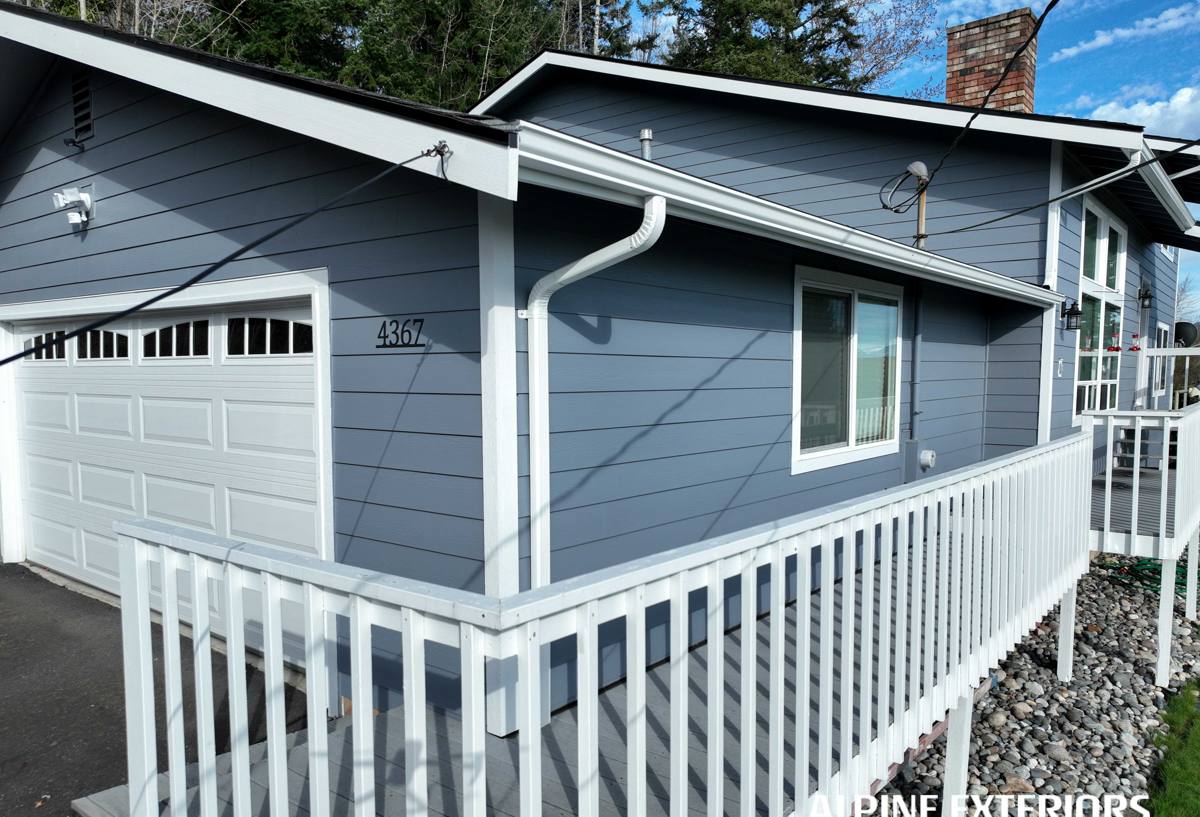
Roofing isn't the only part of a Pinellas Point home under pressure. The same salt air and UV that wear down a roof also affect siding, window components, and any exterior deck or outdoor living space.
Siding
Siding on a home this close to open water needs to hold up to constant moisture cycling — humid air, occasional salt spray, and intense sun exposure that can fade color and stress seams over time. We look for materials and installation details that manage moisture well rather than trap it, since trapped moisture behind siding is one of the most common causes of hidden rot and mold issues in coastal homes.
Windows
Window frames and hardware are especially vulnerable to salt-driven corrosion if the materials and finishes aren't suited for it. Impact-rated windows are also worth serious consideration in this part of Pinellas County given the wind exposure, and proper flashing and sealing around the window opening matters just as much as the window unit itself — a great window installed with poor flashing will leak regardless of its rating.
Decks
Outdoor decks here take a beating from sun and humidity simultaneously. Fasteners, framing connectors, and any exposed metal hardware should be rated for coastal or at least high-moisture exposure, and the decking material itself needs to tolerate near-constant UV without excessive cupping, splitting, or fading.
Why Local Storm Exposure Changes What "Good Enough" Means
A roofing or siding job that would hold up fine in a mild climate can fall short here simply because the baseline conditions are more demanding. Hurricane-force wind events aren't hypothetical in Pinellas County — they're a planning consideration for every exterior project we take on. That affects fastening schedules, material choices, and how we detail transitions and penetrations, not just on roofs but across siding, window installation, and deck framing as well.
It's also why we think a local crew matters. A contractor who works this specific coastline regularly develops a feel for which details tend to fail first in this environment — because we're the ones called back to fix the shortcuts, and we'd rather not create work for ourselves by cutting corners the first time.
Signs a Pinellas Point Home Needs an Inspection
Given the exposure this area sees, we recommend homeowners keep an eye out for the following and not wait until a small issue becomes a bigger one:
- Granule loss showing up in gutters or at the base of downspouts (asphalt shingle roofs)
- Streaking, staining, or visible corrosion around flashing, vents, or metal fasteners
- Any soft spots, discoloration, or bubbling on interior ceilings after a storm
- Caulking or sealant around windows and roof penetrations that's cracked, shrunk, or pulling away
- Siding that feels soft, shows staining at seams, or has visible gaps at trim and corners
- Deck boards that are cupping, fasteners that are rusting or backing out, or framing connectors showing corrosion
- Missing or lifted shingles or panels after any significant wind event, even if there's no visible interior leak yet
None of these mean a full replacement is automatically needed — many are repairable if caught early. But in a coastal environment like this, small issues tend to progress faster than homeowners expect, so earlier inspection generally means fewer surprises and lower repair costs.
What to Expect When You Call Us
For a Pinellas Point property, our process typically starts with a full exterior walk-through — roof, siding, windows, and any deck or outdoor structure if relevant — rather than looking at just the one area a homeowner called about. Given how interconnected moisture problems can be in this climate (a siding gap can lead to rot that eventually shows up as an interior stain, for example), it's worth understanding the whole picture before recommending a fix.
From there we'll explain what we found in plain terms, what's urgent versus what can be monitored, and what the realistic options and cost factors are — without pressure to choose the most expensive path if a targeted repair genuinely solves the problem.
Get a Free, No-Pressure Estimate
If you're a homeowner in Pinellas Point dealing with roof wear, siding concerns, aging windows, or a deck that's seen better days, we're happy to take a look and give you an honest assessment. Fill out the form below to request a free estimate — no pressure, no obligation, just a straight answer about what your home actually needs.