 St. Petersburg Roofing
 Exterior Contractors Serving Childs Park, St. Petersburg
Childs Park is one of St. Petersburg's older, established residential neighborhoods, and that history shows up on its rooflines and siding. A lot of the housing stock here was built well before today's Florida Building Code existed, which means many homes have gone through at least one, and often several, roof or exterior replacements over the decades. Whether your home still has its original bones or was updated more recently, the exterior has to hold up against the same demands every house in this part of Pinellas County faces: hurricane-force wind events, relentless UV exposure nearly every day of the year, wind-driven rain that finds its way into any weak point, and salt-laden air drifting in off Tampa Bay. We work on homes throughout Childs Park and the surrounding St. Petersburg area, and we bring the same local knowledge to every roof, siding, window, and deck project.
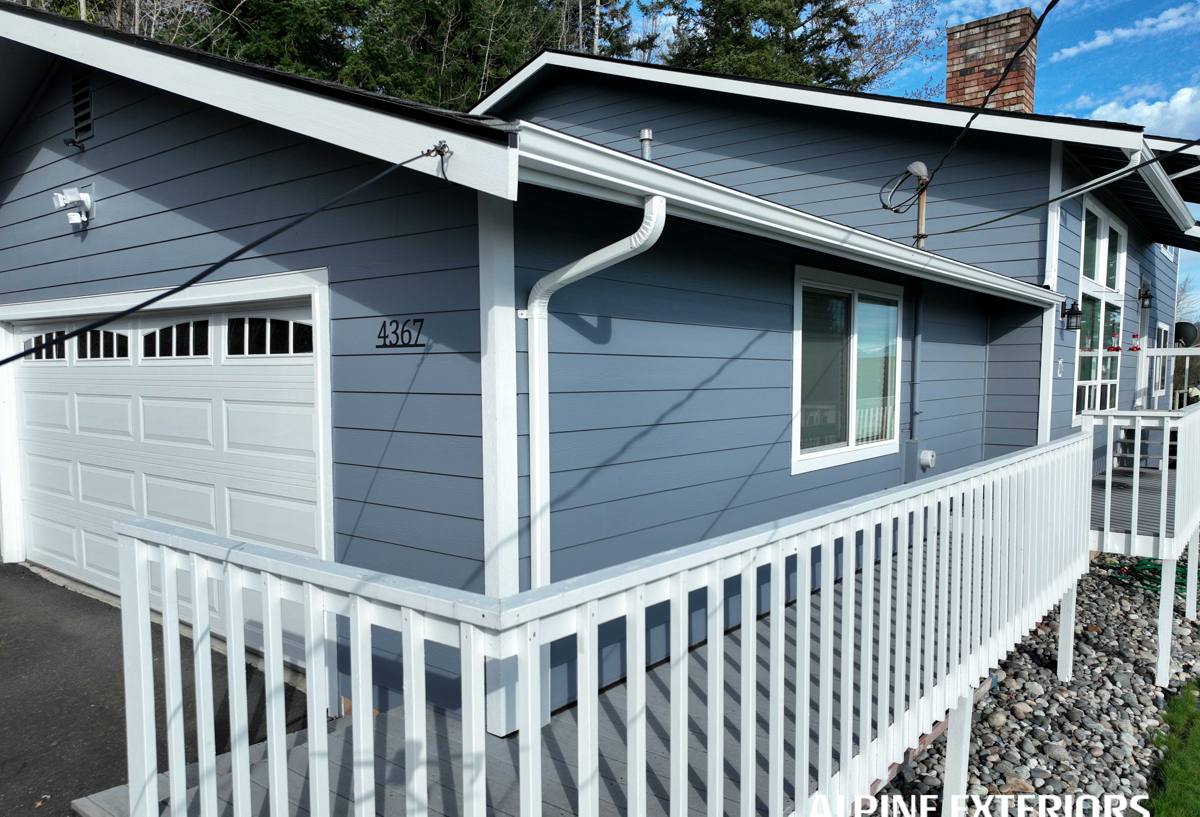
What Childs Park Homes Are Up Against
Sun and Heat, Day After Day
St. Petersburg gets an enormous amount of sun exposure across the calendar year, and that constant UV load is one of the more underestimated stressors on an exterior. Asphalt shingles lose their granules and flexibility faster under this kind of exposure than they would in a milder climate. Siding can fade, chalk, or become brittle. Window seals and caulk joints dry out and crack sooner than manufacturers' generic warranty timelines suggest. None of this is dramatic on its own, but it adds up, and it's why "how old is this roof or siding really, in Florida-years" matters more than the calendar date on a permit.
Wind and Wind-Driven Rain
Pinellas County sits in a hurricane-exposed part of the state, and Childs Park is not sheltered from that. The bigger risk in most storms isn't a direct downpour soaking a roof from above — it's wind-driven rain forced sideways and upward under shingles, around flashing, and into gaps at windows and doors that were never designed to shed water horizontally. A roof or siding system that looks fine in a light rain can still leak badly in a sideways summer storm if the underlayment, flashing details, or window flashing weren't installed correctly the first time.
Salt Air and Humidity
Being close to Tampa Bay means homes throughout St. Petersburg, including Childs Park, deal with a steady dose of salt-laden humid air. Salt accelerates corrosion on exposed metal fasteners, flashing, and hardware, and the constant humidity keeps wood-based materials at a higher moisture content for more of the year than they'd see inland. That combination is exactly why fastener choice, flashing metal, and moisture management details matter more here than in a dry climate.
Roofing in Childs Park
Roof replacement and repair is the most common call we get in this neighborhood, and the reasons are consistent: age, storm damage, and slow leaks that finally show up as a stain on a ceiling. A roof inspection here should look at more than just the shingles themselves — it needs to check flashing around chimneys, vents, and roof-to-wall transitions, the condition of the decking underneath, and whether the attic is ventilated well enough to keep heat and moisture from shortening the roof's life from underneath.
Common Roofing Issues We See
- Shingles that have lost granules or curled at the edges from years of direct UV exposure
- Cracked or lifted flashing around chimneys, skylights, and plumbing vents
- Nail pops and fastener corrosion from humidity and salt air
- Soft or discolored decking found once old shingles are stripped, usually from a slow leak that went unnoticed
- Inadequate attic ventilation driving up shingle temperatures and cooling costs
- Storm-related granule loss or lifted shingles after a wind event, even without an obvious leak yet
For most Childs Park homes we're working with asphalt shingle roofs, which remain the most practical and cost-effective option for this climate when installed with the right underlayment and flashing details. Metal roofing is also a strong option for homeowners who want a longer service life and better wind performance, at a higher upfront cost. We'll walk through both honestly based on your roof's condition, your budget, and how long you plan to stay in the home.
Siding for Coastal Pinellas Conditions
Siding takes a beating from the same three forces as the roof — UV, wind-driven rain, and salt air — but it also has to manage moisture at a different set of vulnerable points: seams, corners, and penetrations for outlets, hose bibs, and vents. In an older neighborhood like Childs Park, we regularly find siding that looks acceptable from the street but has moisture intrusion happening behind it at panel seams or poorly flashed windows.
Siding Materials We Work With
Fiber cement siding has become our standard recommendation for this climate. It holds paint longer than wood, doesn't attract pests, and handles humidity and salt exposure without the swelling or rot issues that come with lower-grade composite products. Vinyl siding remains a budget-conscious option and performs fine when installed with proper clearances and fastening for wind resistance, though it can become brittle with age under constant sun exposure. We install both, and we'll tell you plainly which one makes more sense for your home rather than pushing whichever has a better margin.
Why Installation Quality Matters More Than the Brand
Almost every siding failure we get called out to inspect traces back to installation, not the material itself — improper flashing behind seams, panels fastened too tightly with no room for thermal movement, or house wrap that wasn't lapped correctly to shed water downward. A mid-tier product installed correctly will consistently outperform a premium product installed carelessly.
Windows: Impact Resistance and Everyday Comfort
Window replacement in this part of St. Petersburg is about two things at once: storm protection and day-to-day energy performance. Impact-rated windows are built to resist wind-borne debris during hurricane-force events, which matters throughout Pinellas County, and they also tend to improve insulation and reduce outside noise even on an ordinary day. Non-impact windows paired with code-compliant shutters are a lower-cost path to the same storm protection requirement, though they require action before every storm rather than being built in.
What to Check Before Replacing Windows
- Confirm the wind zone and pressure rating requirements for your specific property, since these vary by location and structure
- Ask whether the quote includes proper flashing and sealing around the new frame, not just the window unit itself
- Check that the installer is pulling permits where required — this protects you at resale and with insurance
- Compare impact-rated glass against standard glass plus separate shutters, factoring in both cost and convenience
Decks Built for Florida Weather
An outdoor deck in Childs Park deals with sun, humidity, and rain nearly year-round, which is hard on materials that aren't chosen with that in mind. Pressure-treated wood decking is the most economical choice but demands regular sealing and maintenance to resist moisture and UV breakdown. Composite decking costs more upfront but resists fading, splintering, and rot with far less upkeep over time. Whichever material you choose, the structural details — ledger board attachment, joist spacing, and fastener corrosion resistance — matter as much as the decking surface itself, especially given the humidity and salt air this area sees.
Comparing Your Exterior Material Options
| Component | Budget-Friendly Option | Higher-Durability Option | Key Trade-Off |
|---|---|---|---|
| Roofing | Asphalt shingles | Metal roofing | Shingles cost less upfront; metal lasts longer and handles wind better |
| Siding | Vinyl siding | Fiber cement siding | Vinyl is cheaper and lighter; fiber cement resists sun and moisture damage longer |
| Windows | Standard glass + shutters | Impact-rated glass | Shutters require action before storms; impact glass is built-in protection |
| Decking | Pressure-treated wood | Composite decking | Wood needs regular sealing; composite costs more but needs little upkeep |
Maintenance Habits That Extend the Life of Your Exterior
A lot of premature exterior failure in this climate isn't a materials problem — it's a maintenance gap. Simple, regular attention catches small issues before they become expensive ones.
- Walk the roofline after major storms looking for lifted or missing shingles, even if there's no visible leak yet
- Keep gutters clear so water isn't backing up under roof edges or siding seams
- Re-caulk window and door perimeters every few years rather than waiting for a visible gap
- Check attic ventilation periodically, since blocked or insufficient venting shortens roof life from the inside
- Rinse salt residue off siding and windows a few times a year, especially on homes closer to the water
- Inspect deck fasteners and ledger connections annually for corrosion or loosening
Why a Local St. Petersburg Crew Matters
Wind zone requirements, permitting expectations, and inspection standards vary across Pinellas County jurisdictions, and a crew that works this area regularly already knows what the local building department expects before the first inspection is scheduled. Just as important, a local crew has seen how homes in and around Childs Park actually age under real St. Petersburg conditions — which roof edges tend to lift first in this wind exposure, which siding seams tend to trap moisture, which window details need extra attention near the bay. That's knowledge you don't get from a national outfit passing through on storm-chaser work.
Getting Started
If you're noticing granule loss on the roof, a siding seam that looks off, a window that's harder to seal than it used to be, or a deck that's starting to show its age, it's worth having someone take an honest look before a small issue turns into a bigger repair. We're happy to walk your property, explain what we find in plain terms, and put together a free, no-pressure estimate — just fill out the form below to get started.