 St. Petersburg Roofing
 Exterior Work in a Waterfront Pinellas County Neighborhood
Coquina Key sits on filled land wrapped by canals with direct access to Tampa Bay, which makes it one of the more distinctive residential pockets in St. Petersburg. That waterfront setting is part of what makes the neighborhood desirable, but it also means homes here carry a heavier exterior workload than a house a few miles inland. Salt-laden air moves off the water and settles on roofing, siding, window frames, and deck hardware year-round, and that steady exposure accelerates wear in ways that aren't always obvious until a problem has already taken hold.
We work on homes throughout St. Petersburg and Pinellas County, and canal-front and near-water properties like the ones in Coquina Key get a different level of scrutiny from us. The materials, fasteners, and sealing details that hold up fine a mile from the bay don't always perform the same way here, and a crew that treats every job the same regardless of location tends to under-spec these projects.
What Coquina Key's Climate Actually Does to a House
Salt Air and Corrosion
Airborne salt is corrosive to metal, and it doesn't need direct water contact to do damage. Roofing fasteners, drip edge, flashing, gutter hangers, window hardware, and deck fasteners are all vulnerable if they aren't rated for coastal exposure. Standard galvanized fasteners can start showing rust streaks and weakening well before their inland counterparts, which is why material selection matters more here than in most parts of the metro.
Wind-Driven Rain
St. Petersburg sits on a peninsula, and a canal-adjacent lot like those in Coquina Key gets wind off open water with very little to slow it down. During heavy weather, rain doesn't just fall straight down — it gets pushed sideways into roof edges, siding seams, and window and door frames. A roof or wall system that isn't properly flashed and sealed at every transition point is where wind-driven rain finds its way in, usually quietly, until there's a stain on a ceiling or a soft spot in a wall.
Hurricane-Force Wind Loads
Every roof, siding, and window installation in this area has to be built with hurricane-force wind events in mind, not as an afterthought but as a baseline design requirement. That means proper fastening schedules, wind-rated products where applicable, and installation methods that meet Florida Building Code wind provisions for this part of the state.
Intense, Year-Round UV
Florida's UV exposure runs strong essentially all year, not just in summer. UV breaks down roofing granules, dries out and cracks certain siding and trim materials, and fades or chalks exterior finishes faster than in milder climates. A roof or siding job that looks fine at installation can show its weak points in UV resistance within a handful of years if the materials weren't chosen with that exposure in mind.
Roofing Considerations for Coquina Key Homes
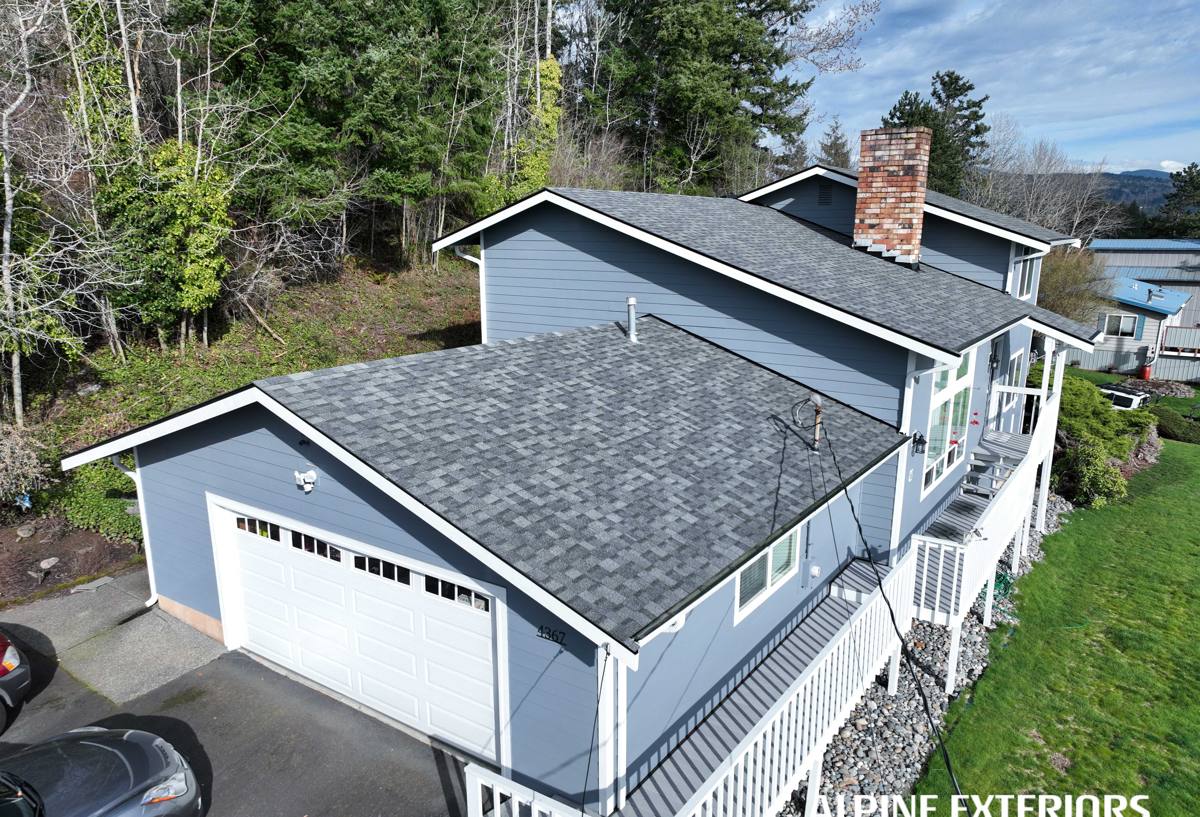
Roof age matters everywhere, but on a waterfront lot it matters more, because the combination of salt air, sun, and wind compounds faster than inland weathering alone. When we inspect a roof in this neighborhood, we're looking closely at fastener condition, flashing integrity around penetrations and edges, and whether the underlayment and field material are still doing their job or just holding on until the next storm.
| Roofing Material | Typical Coastal Performance | Maintenance Consideration |
|---|---|---|
| Architectural asphalt shingle | Good with proper wind rating and fastening | Watch for granule loss and edge lifting over time |
| Metal roofing (standing seam) | Strong wind and UV performance | Fastener and coating quality matter more near salt air |
| Tile roofing | Durable field material, wind rating depends on installation | Underlayment and fastening detail drive long-term performance |
There's no single "best" roofing material for every home — it depends on the roof structure, the homeowner's budget, HOA or deed restrictions in some parts of St. Petersburg, and personal preference. What we won't do is install a system without spec'd, corrosion-resistant fasteners and flashing on a canal-front property, because that's the detail that determines whether a roof is still performing well in ten or fifteen years.
Siding That Holds Up Near Salt Water
Siding on a Coquina Key home is dealing with the same salt air and UV load as the roof, plus more direct exposure to wind-driven rain at the wall plane. We pay close attention to how siding is flashed at windows, doors, and corners, because that's where water intrusion typically starts — not through the field of the siding itself, but through gaps and transitions that weren't sealed correctly the first time.
Fiber cement and quality vinyl siding both have a place depending on the home, budget, and look the homeowner wants. What we steer away from, as a matter of our own installation standard, are approaches that trap moisture behind the cladding or rely on sealant alone to do a flashing detail's job — that combination tends to cause hidden problems in a humid, salt-air environment even when the surface looks fine.
Signs Coquina Key Siding May Need Attention
- Bubbling, soft spots, or visible warping in siding panels
- Rust streaking around fasteners or trim pieces
- Chalky, faded finish that wipes off on your hand
- Gaps or cracking at window and door trim
- Musty smell or discoloration on interior walls that share an exterior wall
Windows: Wind Rating and Sealing Matter More Here
Window performance on a waterfront property comes down to two things: the product's wind and impact rating, and how well it's installed and sealed into the wall opening. Even a high-quality window will underperform if the installation flashing isn't integrated correctly with the surrounding wall system, and that gap is exactly where wind-driven rain gets pushed during a storm.
For a home in Coquina Key, we look at window performance in terms of the whole assembly — frame, glazing, and installation detail together — rather than treating the window as a standalone product swap. That's especially relevant on older homes in the neighborhood where original window openings may need updated flashing to meet current code and perform properly against coastal weather.
Decks Near Canal Water
A number of homes in Coquina Key have direct canal access, and outdoor living space — decks, docks-adjacent structures, and covered patios — gets used hard in this climate. Decking near water faces near-constant humidity, splash exposure, and the same UV load as the rest of the exterior, so fastener choice and board material both need to account for that rather than defaulting to whatever's cheapest.
Composite decking has become a popular choice for canal-front homes because it resists moisture-related warping and doesn't need the same repainting or resealing cycle as wood. Traditional wood decking can still be the right call for homeowners who prefer that look and are willing to keep up with sealing and maintenance — the deciding factor is usually how much upkeep the homeowner wants to commit to, not one material being universally superior.
Deck Material Cost and Maintenance Factors
| Factor | Pressure-Treated Wood | Composite Decking |
|---|---|---|
| Upfront cost | Lower | Higher |
| Maintenance near saltwater | Regular sealing/staining needed | Periodic cleaning, no sealing required |
| Fastener corrosion risk | Higher without coastal-rated fasteners | Lower with correct hardware |
| Typical lifespan in this climate | Shorter without upkeep | Longer with less intervention |
Why a Local Crew Makes a Difference in Coquina Key
A contractor who works across Pinellas County regularly, rather than one crew that only occasionally handles waterfront properties, is going to recognize the specific stress points a Coquina Key home deals with faster and address them correctly the first time. That includes knowing which fastener grades hold up near the water, how local wind provisions apply to a given roof or wall assembly, and what St. Petersburg permitting and inspection process looks like for the work being done.
It also means being reachable and accountable after the job is done. Exterior work in a coastal-adjacent neighborhood isn't something you want handled by a crew that's hard to reach once the invoice is paid — storm season follow-up, warranty questions, and routine maintenance checks all go smoother with a contractor who's actually local to the area.
What a Free Estimate Looks Like
When we come out to a Coquina Key property, we're evaluating the roof, siding, windows, and any deck or outdoor structures with the neighborhood's specific exposure in mind — not applying a generic checklist. We'll walk the exterior, point out anything that's a genuine near-term concern versus something that can be monitored, and give a straightforward estimate with no pressure to act immediately unless there's a real safety issue.
If you own a home in Coquina Key and want an honest read on where your roof, siding, windows, or deck stand, reach out for a free estimate using the form below. There's no obligation, and we'll give you a clear picture of what we see and what it would take to address it.