 St. Petersburg Roofing
 Why Pinellas County Roofs Take a Beating
If you've lived in St. Petersburg for more than a season, you already know the drill: a tropical system spins up in the Gulf, the wind shifts, and suddenly you're listening to rain hit the roof sideways. Between hurricane-force gusts, near-daily summer thunderstorms, and the kind of wind-driven rain that finds every weak seam in a roof system, Pinellas County roofs work harder than roofs almost anywhere else in the country. Add in relentless UV exposure that bakes shingles and sealants year-round, plus the salt air rolling in off Tampa Bay and the Gulf, and you've got a climate that ages roofing materials faster than the manufacturer's brochure ever accounts for.
None of that means every roof is doomed. It means that when a storm does damage your roof, what you do in the first 24 to 72 hours matters. Move too slowly and a small leak becomes a ceiling repair. Move carelessly and you can put yourself at real risk or hand an insurance adjuster a reason to deny part of your claim. This page walks through the practical steps, in order, so you're not figuring it out for the first time in the middle of a stressful week.
Safety Comes Before Anything Else
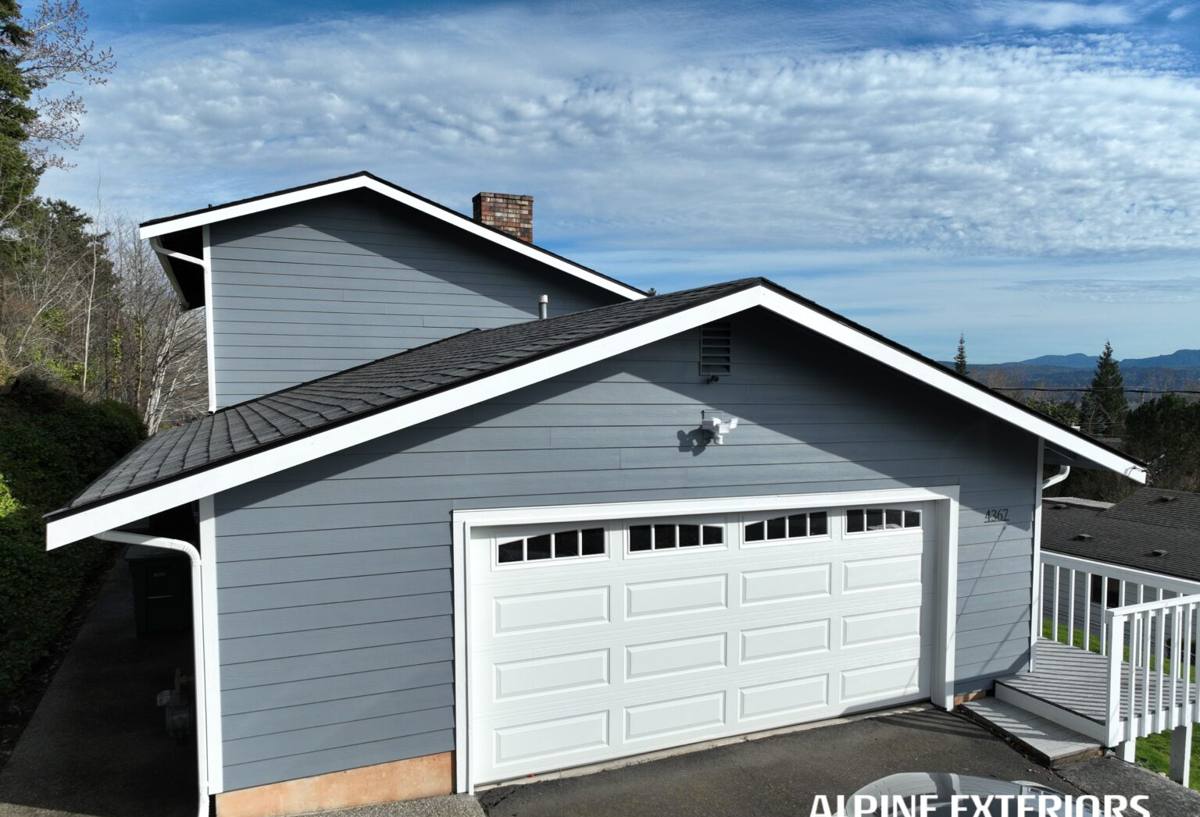
It's tempting to grab a ladder the moment the wind dies down, but roof damage assessment is not a DIY activity, even for homeowners who are generally handy. A roof that's lost shingles or sheathing can have hidden structural weakness that isn't obvious from the ground or even from a ladder.
- Stay off the roof, especially if it's still wet, if there's any visible sagging, or if you can see daylight through the decking from the attic.
- Watch for downed power lines anywhere near the house or in the yard before walking the property.
- If water is actively coming through the ceiling, shut off electricity to the affected room at the breaker if it's safe to reach the panel.
- Move furniture, electronics, and valuables away from active leaks, and place buckets or tarps to catch water and protect flooring.
- If the damage is severe enough that you're unsure whether the structure is safe to occupy, treat it as unsafe until a professional says otherwise.
Once people and pets are safe and the immediate water intrusion is being managed, you can start the process of documenting and addressing the damage itself.
Document Everything Before You Touch It
Photos and Video, From the Ground
Before any tarps go up or repairs happen, walk the exterior and take photos and video from the ground on every side of the house. Get wide shots that show the whole roofline and closer shots of anything obviously wrong — missing shingles, lifted flashing, a hanging gutter, debris embedded in the roof surface. Photograph any interior water stains, ceiling bubbling, or dripping as well. Date-stamped photos, even from a phone, are some of the most useful evidence you can hand an insurance adjuster or a contractor.
What to Look For
You don't need to identify every technical issue yourself, but knowing what to look for helps you describe the damage accurately when you call your insurance company or a roofer.
- Missing, cracked, or curled shingles, especially near roof edges, ridges, and valleys where wind uplift concentrates.
- Bent, lifted, or missing metal flashing around chimneys, vents, and skylights.
- Granules collecting in gutters or downspouts, a sign of wind and impact abrasion on asphalt shingles.
- Soffit or fascia that's been pulled loose or shows gaps.
- Any visible sagging in the roofline itself, which can indicate sheathing or structural damage.
Write down the date and approximate time of the storm as well. Insurance claims often hinge on matching damage to a specific weather event, and Pinellas County sees enough named storms and severe thunderstorm warnings each year that having the date on record helps keep the claim straightforward.
Temporary Protection Without Making Things Worse
What a Tarp Can and Can't Do
If there's active water intrusion, your insurance policy likely requires you to take reasonable steps to prevent further damage, and a tarp over an exposed section is the standard response. A properly installed tarp, secured under shingle courses rather than just nailed on top, can buy real time. But tarping a roof correctly in wind-driven rain is genuinely difficult and can be dangerous — this is one of the few "emergency" tasks where calling a roofing contractor for temporary tarping service is usually safer and more effective than attempting it yourself, especially on a steep or wet roof.
What Not to Do
Avoid piling weight on a damaged roof section, walking near the edges of visible sag, or using excessive fasteners that create new penetration points you'll have to repair later. Don't attempt repairs in the dark, in continued high wind, or alone. If a tree limb or other debris is resting on the roof, leave it in place until a professional can assess whether removing it is safe — sometimes debris is inadvertently holding a weakened section together.
Comparing Common Types of Wind and Storm Damage
Not all storm damage carries the same urgency. This table breaks down what we see most often after wind events in this area and how quickly each type typically needs attention.
| Damage Type | Common Cause | Urgency |
|---|---|---|
| Missing or torn shingles | Wind uplift, especially at edges and ridges | High — exposed decking leaks quickly in Florida rain |
| Lifted or cracked flashing | Wind flexing metal at joints around chimneys, vents, skylights | High — flashing failures are a leading cause of hidden leaks |
| Granule loss | Wind-driven rain and hail-like debris abrasion | Moderate — accelerates aging, doesn't always leak immediately |
| Soffit or fascia separation | Wind pressure differential at the roof edge | Moderate to high — allows pest and moisture entry |
| Sheathing or structural sag | Sustained hurricane-force wind or fallen debris impact | Urgent — safety concern, needs professional assessment same day |
| Gutter and downspout damage | Wind and water volume overload | Low to moderate — affects drainage but rarely causes immediate leaks |
Filing the Insurance Claim
Timeline and First Contact
Most Florida homeowner policies require prompt reporting of storm damage, and there are statutory notice deadlines for hurricane and windstorm claims, so don't sit on it. Call your insurance company as soon as you've documented the damage and arranged any necessary temporary protection. Give them the date of the storm, a summary of the damage, and let them know if you've already had a tarp installed — save that receipt.
Working With the Adjuster
An adjuster will typically schedule an inspection. It's worth having a roofing contractor's assessment in hand before or during that visit, since a contractor who does this work daily will often catch damage — like a lifted flashing seam or compromised underlayment — that isn't obvious from the ground or from a quick walk-through. Be present for the adjuster's inspection if you can, and don't feel pressured to accept a scope of work on the spot if it doesn't match what you and your contractor documented. You're allowed to ask questions and request clarification on how damage was assessed.
Understanding Your Policy
Florida windstorm coverage varies significantly by policy — some have a separate hurricane deductible (often a percentage of your dwelling coverage rather than a flat dollar amount), and some distinguish between wind damage and flood damage, which is typically a separate policy entirely. If you're not sure which applies, it's worth a call to your agent before storm season each year, not just after damage happens.
Choosing a Contractor After a Storm
Major wind events bring an influx of out-of-town crews looking for quick work, sometimes called storm chasers. Some are legitimate; many are not licensed to work in Florida, won't be here for warranty service, and pressure homeowners into signing contracts on the spot. A little vetting up front saves a lot of headache later.
- Confirm the contractor holds an active Florida roofing license — you can verify this through the state license lookup.
- Ask for proof of current liability insurance and workers' compensation coverage.
- Look for a physical local address and a track record in the Tampa Bay area, not just a phone number.
- Get a written, itemized estimate before signing anything — never sign a blank or incomplete work authorization.
- Be cautious of anyone who asks for full payment up front or pressures you to sign immediately after a storm.
- Ask whether they'll help document damage for your insurance claim and whether they've worked with your insurer before.
Repair or Replace: What Drives the Decision
Not every wind event means a full roof replacement, and a reputable contractor should be upfront about when a targeted repair is the right call versus when the damage is extensive enough to justify replacement. Several factors go into that decision.
| Factor | Leans Toward Repair | Leans Toward Replacement |
|---|---|---|
| Roof age | Under half its expected lifespan | Nearing or past expected lifespan for its material |
| Extent of damage | Isolated to one section or slope | Spread across multiple slopes or the whole roof |
| Underlying decking condition | Sound, dry sheathing | Soft, delaminated, or water-stained decking |
| Matching materials | Current shingle color/style still available | Discontinued product, patch would be visibly mismatched |
| Insurance scope | Adjuster approves repair-only scope | Adjuster approves full replacement based on damage extent |
A straightforward answer we give homeowners often: if the damage is confined and the roof still has years of useful life left, repair is the honest recommendation. If a storm has exposed problems across an aging roof, patching one section just delays the inevitable and can create mismatched material and warranty complications down the line.
Reducing Damage Before the Next Storm
You can't storm-proof a roof completely, but there are things that genuinely reduce risk in a wind-driven-rain climate like ours.
- Have loose or aging shingles resealed or replaced before hurricane season rather than after.
- Keep gutters and downspouts clear so wind-driven rain has somewhere to go instead of backing up under the roof edge.
- Trim tree limbs that overhang or are close enough to strike the roof in high wind.
- Ask your contractor about the condition of roof-to-wall connections and flashing during any routine inspection — these are common failure points in wind events, not just the shingles themselves.
- Schedule a professional inspection annually, and always after any named storm passes near St. Petersburg, even if you don't see obvious damage — some issues only show up as a slow leak weeks later.
Salt air and UV exposure also mean sealants and fasteners age faster here than in inland climates, so a roof that looks fine from the driveway can still have degraded attachment points that make it more vulnerable in the next round of wind.
Getting a Straight Answer About Your Roof
If a recent storm has left you with missing shingles, a leak, or just a nagging feeling that something's not right up there, the fastest way to know what you're actually dealing with is to have it looked at. We're happy to walk the roof, document what we find, and give you a clear, honest picture — repair, monitor, or replace — along with a free, no-pressure estimate. There's a form below if you'd like to get on the schedule.