 St. Petersburg Roofing
 Roofing in Historic Old Southeast, St. Petersburg
Historic Old Southeast is one of St. Petersburg's older residential neighborhoods, known for its bungalows, Craftsman-style homes, and mature tree canopy just a short distance from Tampa Bay. Homes here carry a different set of maintenance realities than newer construction across Pinellas County. Original rooflines, aging framing, and decades of Gulf Coast weather all factor into how we approach a roof, siding, window, or deck project on this side of town. We're a local crew that works throughout St. Petersburg, and we treat historic-character homes with the extra care they need — not a one-size-fits-all approach borrowed from new subdivisions.
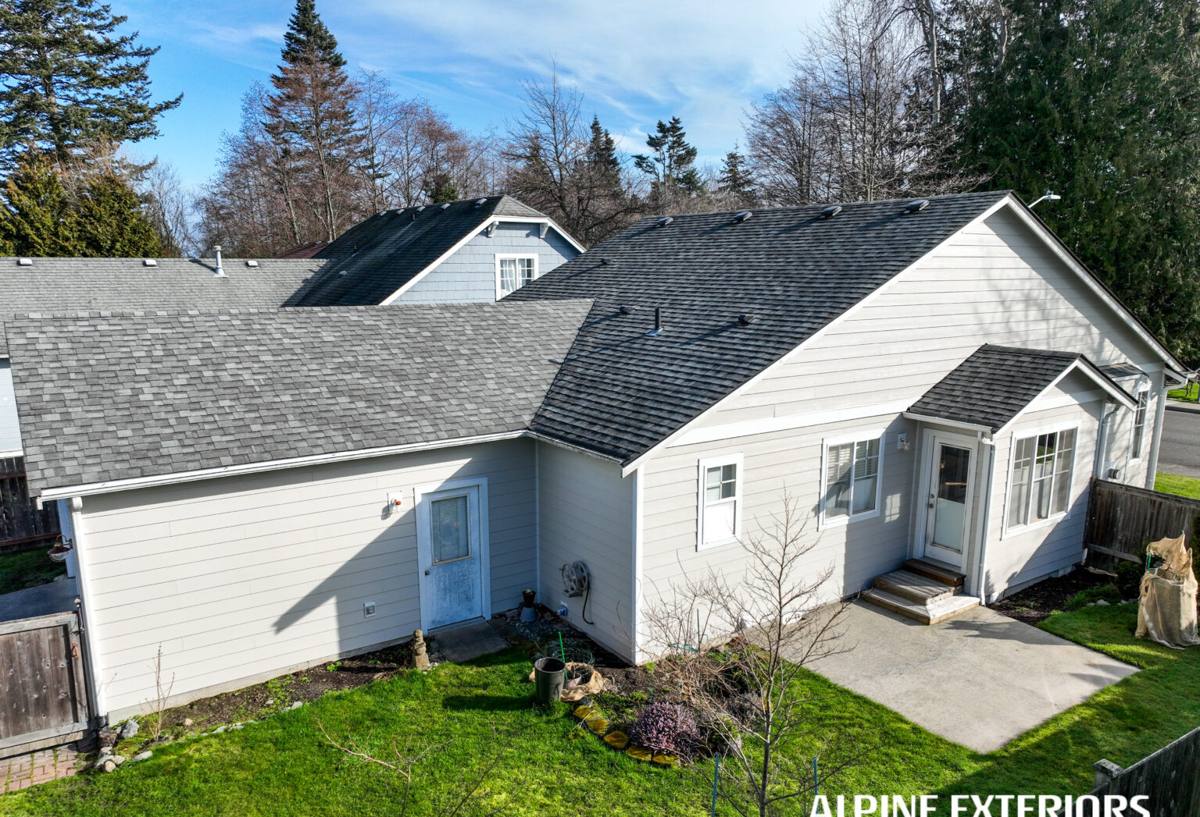
What Homes in This Neighborhood Are Up Against
St. Petersburg's climate is hard on every roof in the city, but a handful of local conditions show up more consistently in Historic Old Southeast:
- Age of the housing stock. Many homes here were built well before modern roofing and wind-resistance codes existed. Even after re-roofing over the years, the original decking, framing, and roof geometry often predate current building standards.
- Tree canopy. Mature oaks and other shade trees are part of what makes the neighborhood attractive, but they also drop leaves, pollen, and limbs onto roofs year-round, holding moisture against shingles and encouraging algae and moss growth.
- Proximity to the bay. Salt-laden air travels well inland from Tampa Bay, and it accelerates corrosion on exposed metal — flashing, fasteners, gutters, vents, and any lower-grade hardware.
- Complex rooflines. Older architectural styles often include dormers, multiple roof pitches, and decorative details that create more valleys, penetrations, and transition points — each one is a potential leak path if not detailed correctly.
Layer hurricane-force wind events, intense year-round UV, and wind-driven rain on top of that, and it's easy to see why roofs in this part of St. Petersburg tend to show wear differently than roofs in newer, more exposed subdivisions further inland.
Wind-Driven Rain and Older Details
Wind-driven rain doesn't behave like a normal downpour — it gets pushed sideways and upward under shingle edges, around chimneys, and into any gap in flashing or trim. On a historic-style home, where original flashing details may have been patched piecemeal over decades of prior repairs, this is often where slow leaks originate. We pay close attention to flashing at valleys, wall-to-roof transitions, and chimney penetrations for exactly this reason.
Roofing Materials That Work for Historic-Character Homes
Homeowners in Historic Old Southeast often want a roof that performs well in Florida's climate without looking out of place on an older-style house. A few options tend to fit well:
Architectural Asphalt Shingles
Higher-profile architectural shingles give a dimensional look that suits bungalow and Craftsman rooflines, and current products carry stronger wind ratings than shingles from decades past. They remain the most budget-friendly option for a full re-roof.
Standing Seam Metal
Metal roofing has genuine historical precedent on Florida homes of this era, holds up well against wind uplift when installed correctly, and sheds the debris and moisture that tree canopy leaves behind more effectively than shingles. It costs more up front but tends to need less frequent full replacement.
Tile
Tile can suit certain historic and Mediterranean-influenced homes in the area, though it adds structural weight considerations and a different repair profile than shingle or metal. We'll walk through whether your framing and roof style make sense for tile before recommending it.
We don't push one material on every home. The right choice depends on your roof's pitch and framing, your budget, and — for a historic-character property — how much the finished look matters to you and to the character of the block.
Comparing Roofing Options for Older St. Petersburg Homes
| Material | Typical Lifespan (Gulf Coast climate) | Wind Performance | Maintenance Notes |
|---|---|---|---|
| Architectural shingles | 15–25 years | Good with proper nailing and rated products | Periodic algae/moss cleaning under tree cover; most affordable to repair |
| Standing seam metal | 30–50 years | Very good with correct fastening and clips | Sheds debris well; watch for fastener corrosion near the bay over time |
| Concrete or clay tile | 30–50 years | Good, but individual tiles can crack from impact or foot traffic | Underlayment fails before the tile does; requires structural review before install |
These are general ranges, not guarantees — actual lifespan depends heavily on installation quality, ventilation, and how exposed a given roof is to sun, salt, and storms.
Historic District Considerations
Because Historic Old Southeast carries historic-district recognition, exterior work on homes here sometimes involves an added layer of review beyond a standard building permit, particularly for anything visible from the street. We're used to working within that process and can help you understand what documentation or approval steps may apply to your project before work begins. It's worth confirming current requirements with the City of St. Petersburg directly, since guidelines can be specific to individual streets and property designations — we'll help you navigate that rather than guess at it.
Siding, Windows, and Decks on Older Homes
Roofing isn't the only exterior system that ages differently on a historic-character home. We handle siding, windows, and decks as well, and each comes with its own considerations here:
Siding
Original wood siding on older homes can still be in salvageable condition, but decades of humidity, sun, and prior repairs often mean sections need selective replacement rather than a full tear-off. Fiber cement siding is a common modern replacement that holds paint well and resists moisture better than older wood siding, while still accepting profiles that read as traditional lap siding.
Windows
Older double-hung windows are part of a bungalow's character, but original frames and glazing rarely perform well against wind-driven rain or UV-related seal failure. Impact-rated replacement windows built to match traditional proportions let you keep the look while gaining real storm protection and better energy performance.
Decks
Outdoor living space matters in this climate, and any deck near the bay faces the same salt-air corrosion risk as roofing hardware. Fastener selection and framing material matter more here than they would further inland.
Salt Air, Humidity, and Tree Canopy: What Homeowners Can Watch For
You don't need to climb on your roof to stay ahead of problems. A few things are worth checking from the ground or with binoculars a couple of times a year:
- Streaking, dark staining, or green/black growth on shingles or tile, which usually signals algae or moss buildup
- Rust staining running down from metal flashing, vents, or gutter hardware
- Granule buildup in gutters or at downspout outlets, a sign of accelerated shingle wear
- Overhanging limbs that scrape the roof surface in wind, which wears through shingle granules over time
- Soft spots, sagging, or visible daylight in a garage or shed roof, which can indicate deck (sheathing) rot underneath
- Peeling paint or soft wood trim near the roofline, often the first visible sign of a slow leak
None of these mean an emergency by themselves, but catching them early is almost always cheaper than waiting for an active leak.
Why a Local Crew Matters for This Neighborhood
A crew that works across Pinellas County regularly, rather than one dispatched from out of the area, tends to understand a few things about Historic Old Southeast specifically: the age and construction style of the housing stock, the realistic timeline for permitting and any applicable historic-district review, and how quickly conditions can change here after a tropical system moves through the bay. Being local also means we can respond faster for storm-damage assessments and follow-up repairs rather than homeowners waiting behind a queue of jobs across the whole region.
What to Expect When You Call Us
We start with an on-site inspection — roof, siding, windows, or deck, depending on what brought you to us — and give you a straightforward assessment of condition and options. For roofing specifically, that means checking the roof surface, flashing details, ventilation, and, where accessible, the decking underneath for soft spots. We'll explain what's driving any recommendation, whether it's a targeted repair or a full replacement, and what material options make sense for your home's style and your budget. There's no pressure to choose the most expensive option if a repair genuinely solves the problem.
If you own a home in Historic Old Southeast and want an honest look at your roof, siding, windows, or deck, reach out for a free, no-pressure estimate. We'll walk the property with you, answer your questions, and give you a clear picture of what your home actually needs.