 St. Petersburg Roofing
 Roofing and Exterior Work in Roser Park, St. Petersburg
Roser Park is one of St. Petersburg's older, established neighborhoods, and homes here carry a different set of maintenance needs than a house built last decade in a newer subdivision. Mature tree canopy, older roof decking, and a mix of original and updated exteriors mean every property needs to be looked at on its own terms rather than sold a one-size-fits-all package. We work throughout Pinellas County on roofing, siding, windows, and decks, and Roser Park is part of our regular service area — not a neighborhood we only show up in occasionally.
A local crew that actually drives these streets on a regular basis understands things a call-center estimator two counties away doesn't: how tree cover affects roof debris and moisture retention, how older homes were originally built out, and what permitting looks like with the City of St. Petersburg. That local knowledge shows up in more accurate estimates and fewer surprises once work starts.
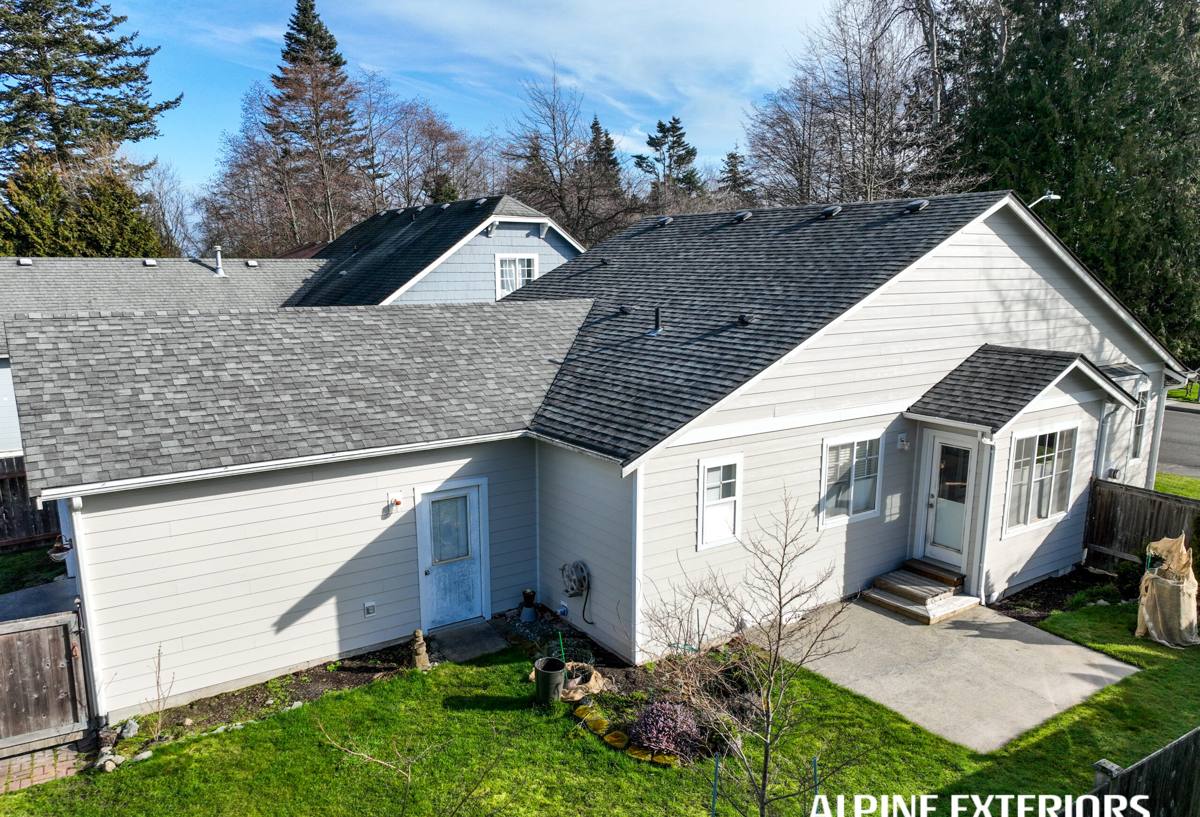
What Roser Park's Climate and Terrain Mean for Your Roof
St. Petersburg sits on a peninsula surrounded by water on three sides, which means every home in Pinellas County deals with a combination of forces that inland Florida homes don't face to the same degree. Hurricane-force winds during storm season stress roof edges, flashing, and fastener patterns. Intense, near-constant UV exposure breaks down roofing materials, caulking, and paint faster than in milder climates. Wind-driven rain finds gaps that a straight-down rainstorm never would, pushing water sideways up under shingles, siding laps, and window frames. And salt air, even well inland from the immediate coastline, slowly corrodes exposed metal fasteners, flashing, and hardware over the years.
Roser Park's mature tree canopy adds another layer to that. Overhanging limbs deposit organic debris in valleys and gutters, holding moisture against roofing material longer than a more open lot would. That extra moisture contact accelerates granule loss on shingles and can contribute to algae or moss growth on north-facing slopes that stay shaded most of the day. None of this means older, tree-lined properties are worse off — it just means the maintenance rhythm and repair priorities are different, and a contractor who understands that can catch problems before they become expensive ones.
Common Issues We See on Older Neighborhood Homes
- Granule loss and thinning on shingles from years of UV exposure and shaded, moisture-retentive spots under tree cover
- Flashing and fastener corrosion around chimneys, vents, and roof-to-wall transitions from salt-laden air
- Wind-driven rain intrusion at older window and door openings that were never retrofitted with modern flashing
- Siding and trim rot at ground-contact points and areas with poor drainage or dense shade
- Deck boards and ledger connections weakened by humidity cycling and inconsistent past maintenance
Roofing Services We Provide
Roofing is the core of what we do, and it covers a wide range depending on what a given roof actually needs. Not every problem calls for full replacement, and we'll tell you honestly when a targeted repair is the right call instead of pushing a bigger job.
Repairs
Leak diagnosis and repair, flashing replacement, damaged shingle or tile replacement, and storm-damage patchwork are all things we handle without requiring a full tear-off. A roof that's otherwise sound but has isolated wind or debris damage usually just needs the affected section addressed correctly, with attention to how the repair ties into the surrounding roofing system so it doesn't become a future leak point.
Full Replacement
When a roof is past the point where repairs make sense — widespread granule loss, multiple past repairs, decking issues, or simply reaching the end of its service life — a full replacement resets the clock. We evaluate the decking underneath, not just the surface material, since older homes sometimes have decking that needs attention before new roofing goes down. Skipping that step is one of the most common ways a "new roof" ends up with problems within a few years.
| Material | Typical Lifespan | Wind Performance | Maintenance Notes |
|---|---|---|---|
| 3-tab asphalt shingle | 15-20 years | Lower wind rating | Lowest upfront cost, shows wear faster in coastal UV |
| Architectural (dimensional) shingle | 20-30 years | Higher wind rating than 3-tab | Better balance of cost and durability for this climate |
| Metal roofing | 40-50+ years | Strong wind resistance when properly installed | Higher upfront cost, low long-term maintenance |
| Tile (clay or concrete) | 40-50+ years | Good wind resistance with correct fastening | Heavier structure requirement, underlayment matters most |
There's no universally "best" material — the right choice depends on your budget, the age and structure of the home, HOA or historic-character considerations, and how long you plan to stay in the house. We walk through those trade-offs honestly rather than pushing whatever has the best margin.
Siding for Older and Historic-Character Homes
Siding on an older home has to do two jobs at once: keep water out and keep the character of the house intact. In neighborhoods with a strong architectural identity, we pay attention to matching profiles, reveal widths, and trim details rather than defaulting to whatever's fastest to install. Fiber cement siding has become a common choice for homeowners who want the durability to handle Gulf Coast humidity and storm exposure without the maintenance cycle of repainting wood every few years. It holds paint well, resists moisture-driven rot, and stands up to wind-driven rain better than many alternatives — which matters directly for a property exposed to the wind and salt air conditions this area sees.
We're candid about vinyl siding as well: it's a reasonable budget option in the right application, but in high-wind, high-UV coastal climates it can warp, fade, or crack sooner than fiber cement, and repairs to match faded panels years later are often difficult. That's a maintenance and appearance trade-off worth knowing upfront, not a reason to avoid it outright — it depends on your budget and expectations.
Windows: Comfort, Storm Protection, and Curb Appeal
Older homes frequently have original or aging window units that weren't built to current wind and impact standards. Replacing them with impact-rated or properly rated windows does three things at once: it reduces the chance of wind-driven rain intrusion during storms, it cuts down on air infiltration that drives up cooling costs in Florida's long, hot season, and it can improve the look of a home's street presence. For a house in a walkable, established neighborhood like Roser Park, window style and trim detail matter for how the home reads from the sidewalk — we take that into account alongside performance.
Decks and Outdoor Living in a Humid Climate
Outdoor living space holds up differently here than it does in a drier climate. Constant humidity, heavy rain events, and intense sun cycle wood and composite decking through expansion, contraction, and UV fading faster than in most of the country. We build and repair decks with attention to proper drainage, ledger board flashing, and fastener selection so the structure isn't fighting the climate from day one. Composite decking has become popular specifically because it resists the moisture-driven warping and splintering that wood decking is prone to in this kind of environment, though it comes at a higher material cost — another trade-off we'll walk through based on your budget and how you plan to use the space.
Why a Local Crew Matters in Pinellas County
There's a real difference between a contractor who's based here and one who's dispatching crews in from out of the area for storm season work. A local crew knows the permitting process with the City of St. Petersburg, understands the county's wind-zone building requirements, and has a reputation in the area to protect — which matters when you're trusting someone with your biggest asset. We're not interested in one-off storm-chaser jobs; we do work we're willing to stand behind because we're still going to be here next year, and the year after that.
Permitting, Wind Codes, and Insurance Considerations
Roofing and major siding or window work in St. Petersburg generally requires permitting, and Florida's building code includes wind-load requirements that are more stringent than most of the country because of hurricane exposure. That's not paperwork for paperwork's sake — proper permitting and inspection are part of what keeps a new roof or replacement window system performing the way it's supposed to when a storm actually hits. We also understand how insurance companies evaluate roof age and condition, which increasingly affects premiums and coverage availability for Florida homeowners. Keeping documentation of work performed, and using materials and installation methods that meet current wind-rating standards, can matter directly for your insurability down the line.
Questions Worth Asking Before You Sign a Contract
- Is the company licensed and insured to work in Pinellas County, and can they show proof?
- Will they pull the required permits themselves, or expect you to handle it?
- Do they inspect the decking or substrate before installing new roofing or siding, not just the surface layer?
- What does the manufacturer's material warranty cover versus the contractor's workmanship warranty?
- Do they have a physical presence and reputation in the local area, or are they a traveling crew?
Signs You Should Have Your Roof Inspected
Most roof failures don't happen all at once — they build up over months or years of small issues that go unnoticed until there's a leak. It's worth having a roof looked at periodically, especially after major storms, rather than waiting until there's visible water damage inside the home.
- Granules collecting in gutters or at downspout exits
- Shingles that look curled, cracked, or are missing entirely after a storm
- Dark streaking or moss growth on shaded roof sections
- Soft spots, sagging, or visible unevenness across roof planes
- Water stains on interior ceilings or upper-floor walls
- Daylight visible through the attic roof deck
- Rising energy bills that might point to attic ventilation or insulation issues tied to roof condition
Getting an Honest Look at Your Property
Every home in Roser Park has its own history, its own tree cover, and its own wear patterns — that's exactly why we don't quote sight unseen or push a standard package before actually looking at what's going on. If you'd like a free, no-pressure estimate on roofing, siding, windows, or a deck, use the form below and we'll take it from there.