 St. Petersburg Roofing
 Roofing Built for Crescent Lake's Older Housing Stock
Crescent Lake sits close to the heart of St. Petersburg, and like much of this part of Pinellas County, the neighborhood has a mix of mid-century bungalows, Craftsman-style homes, and newer infill construction sitting on the same block. That mix matters when it comes to roofing. A house built decades ago may still have its original decking, older flashing details, or a roof that's been re-covered once or twice without anyone checking what's underneath. We work on this kind of housing stock regularly, and we don't treat a re-roof as a one-size-fits-all job — what a 1950s bungalow needs from a roofer is different from what a home built in the last ten years needs.
Being close by matters too. When we're already working in and around St. Petersburg, we can get to a Crescent Lake property quickly for an estimate, a tarp after a storm, or a follow-up once a job is done. That's not a small thing when a hurricane watch goes up and half the county is trying to find a roofer at the same time.
What the Climate Actually Does to Roofs Here
Pinellas County roofs deal with a specific combination of stressors, and Crescent Lake isn't sheltered from any of them just because it's inland from the immediate coastline:
- Hurricane-force wind: Uplift at the roof edges and corners is where most wind damage starts. Loose or aging shingles, weak fastening patterns, and old drip edge details are the first things to fail in a serious blow.
- Wind-driven rain: Florida storms don't just drop rain straight down — wind pushes it sideways and up under shingle tabs, around vents, and into any gap in flashing. A roof that's fine in a normal rain can still leak in a sideways storm if the underlayment and flashing aren't doing their job.
- Year-round UV exposure: St. Petersburg gets a lot of sun, and it's relentless on roofing materials. UV breaks down asphalt shingle granules and dries out sealants faster here than in most of the country, which shortens the practical service life of a roof compared to the manufacturer's climate-neutral rating.
- Salt air: Even a few miles from Tampa Bay, salt in the air accelerates corrosion on exposed metal — nail heads, flashing, vent stacks, and gutter hardware all corrode faster than they would inland.
None of this means a roof in Crescent Lake is doomed — it means the materials, fastening, and flashing details need to be chosen and installed with this specific environment in mind, not just installed to the minimum code requirement.
Why Roof Age Matters More Here Than the Calendar Suggests
A shingle roof rated for 25-30 years in a mild climate often shows real wear in Pinellas County well before that mark, simply because of the UV load and storm cycles. If your Crescent Lake home has a roof older than 15-18 years, it's worth having someone actually walk it rather than assuming the remaining "rated" years still apply. We'd rather tell a homeowner their roof has a few good years left than talk them into a replacement they don't need yet.
Roofing Options We Install
We install and repair several roofing systems, and which one makes sense depends on the home's structure, budget, and how long the owner plans to stay in the house.
| Roofing Type | Typical Lifespan (Pinellas Conditions) | Wind Performance | Notes |
|---|---|---|---|
| Architectural asphalt shingle | 15-22 years | Good with proper nailing pattern and rated shingle | Most common choice, wide style range, moderate cost |
| 3-tab asphalt shingle | 10-15 years | Fair | Lower upfront cost, shorter service life in this climate |
| Standing seam metal | 30-45+ years | Excellent | Higher upfront cost, strong resale and insurance benefits |
| Tile (concrete or clay) | 30-50 years | Very good when properly fastened | Heavy — requires structural check on older homes |
We'll walk a homeowner through actual trade-offs rather than just pushing whatever's easiest to install. Metal costs more up front but can outlast two or three shingle roofs and often qualifies for wind-mitigation insurance credits. Shingle roofing costs less initially and remains the practical choice for many budgets. Tile can look great on the right architectural style but needs the roof structure to actually support the added weight, especially on older framing.
Siding, Windows, and Decks — The Rest of the Exterior Envelope
A roof doesn't work in isolation. Wind and wind-driven rain test the whole exterior envelope at the same time, so we look at siding, windows, and any exterior decking as part of the same conversation, not as separate projects.
Siding
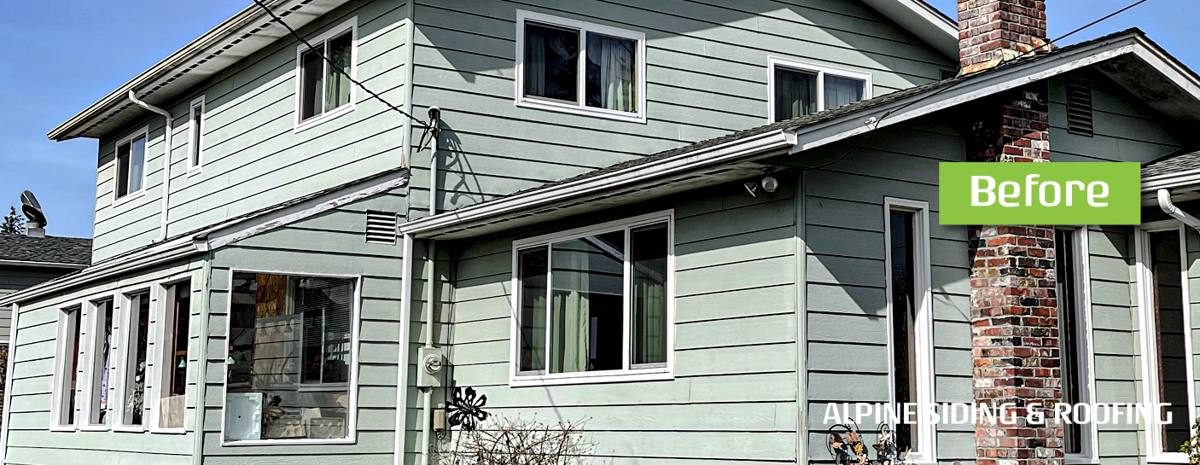
Salt air and UV are just as hard on siding as they are on roofing. Older wood or hardboard siding on Crescent Lake homes often shows the effects of years of moisture cycling — swelling, soft spots near the ground line, and paint that won't hold anymore. We install fiber cement and vinyl siding options chosen for how they hold up specifically in this climate, with attention to proper flashing at windows, doors, and corners, since that's where most siding failures actually start.
Windows
Impact-rated and high-wind-rated windows matter in this part of Florida, both for storm protection and for insurance purposes. Beyond the glass itself, correct installation and flashing around the window opening is what actually keeps wind-driven rain out — a good window installed poorly will leak just like a cheap one.
Decks
Outdoor decks in this climate take a beating from sun and humidity. We build and repair decks with materials and fastening chosen to resist UV fading, moisture-driven rot, and the corrosion that comes from being outside near the coast, whether that's pressure-treated wood, composite decking, or a combination of the two.
How We Approach a Crescent Lake Roofing Job
- On-site inspection: We look at the roof surface, the flashing, the vents, and where possible, the attic and decking underneath. Problems are often more visible from inside than from the ground.
- Honest scope of work: We tell you what actually needs to happen — repair, partial re-cover, or full replacement — and explain why, including what happens if you wait.
- Material selection: We talk through the options in the table above based on your budget, how long you plan to own the home, and your insurance situation.
- Permitting: Roofing work in St. Petersburg requires a permit and inspection through the city or county depending on the property. We handle that process rather than leaving it to the homeowner.
- Installation with storm details in mind: Nailing patterns, underlayment, flashing, and edge details are done to hold up against wind and wind-driven rain, not just to pass a basic inspection.
- Final walkthrough: We go over the finished work with you before calling the job done.
Cost Factors Homeowners Should Understand
Roofing quotes can vary widely, and it's usually because the underlying scope of work is different, not because one contractor is simply cheaper. Factors that affect the price of a Crescent Lake re-roof include:
- Roof size and pitch — steeper roofs take longer and are more labor-intensive to work on safely.
- Number of layers already on the roof — removing old layers costs more than a straightforward tear-off.
- Decking condition — soft or water-damaged decking found during tear-off needs to be replaced before new roofing goes on, which is common on older homes.
- Material choice — asphalt shingle, metal, and tile sit at very different price points, as shown in the table above.
- Flashing and penetration complexity — chimneys, skylights, and multiple roof valleys all add labor.
- Permitting and code requirements specific to the jurisdiction the property falls under.
We break these out clearly in any estimate so you know exactly what you're paying for, rather than getting a single lump-sum number with no explanation behind it.
Insurance and Storm Damage
Pinellas County homeowners deal with insurance claims after wind and hail events more often than homeowners in most parts of the country. We document roof condition and damage clearly — photos, notes on affected areas, and a written scope of work — so that if you're filing a claim, you have something solid to bring to your adjuster. We won't tell a homeowner damage exists where it doesn't, and we won't downplay real damage either. That kind of straight documentation tends to matter a lot more than a sales pitch when you're actually dealing with a claim.
Maintenance That Actually Extends Roof Life Here
A few habits make a real difference in how long a roof lasts under Pinellas County conditions:
- Keep gutters clear so water isn't backing up under the roof edge during heavy rain.
- Trim back overhanging branches that scrape shingles or drop debris that holds moisture against the roof surface.
- Have the roof looked at after any named storm, even if there's no obvious interior leak — wind damage doesn't always show up right away.
- Check attic ventilation periodically — poor ventilation traps heat and moisture, which shortens shingle life and can encourage wood rot in decking.
- Re-seal or replace pipe boot flashing and other small penetration seals before they fail outright, since these are common early leak points.
Why a Local Crew Matters for This Kind of Work
Roofing quality in this climate comes down to details that a generic, out-of-area crew often gets wrong — nailing patterns rated for local wind speeds, flashing sequencing that actually sheds wind-driven rain, and material choices that account for UV and salt exposure rather than just following a national average spec sheet. Working regularly in St. Petersburg and the surrounding Pinellas County area means we're familiar with the permitting process, the typical construction of homes in neighborhoods like Crescent Lake, and what tends to go wrong first on a roof exposed to this specific mix of sun, storms, and salt air. That local familiarity is worth more than it sounds like on paper — it's the difference between a roof that's technically installed and one that's actually built to hold up here.
If you're in Crescent Lake and want a straight answer about your roof, siding, windows, or deck — whether that's a repair, a full replacement, or just a second opinion — we're happy to come take a look. Fill out the form below for a free, no-pressure estimate.