 St. Petersburg Roofing
 Serving Disston Heights Homeowners in St. Petersburg
Disston Heights sits inland from the bay but still lives under the same Gulf Coast weather as the rest of St. Petersburg and Pinellas County. That means the roof over your head, the siding on your walls, the windows in your frames, and any deck out back are all doing double duty — looking good and standing up to a climate that doesn't let up. We're a local exterior contractor working roofing, siding, windows, and decks across the area, and Disston Heights is one of the neighborhoods we're in regularly.
This page is meant to give you an honest, practical look at what homes in this part of St. Petersburg tend to deal with, how we approach the work, and what to think about before you hire anyone for a roof, siding, window, or deck project.
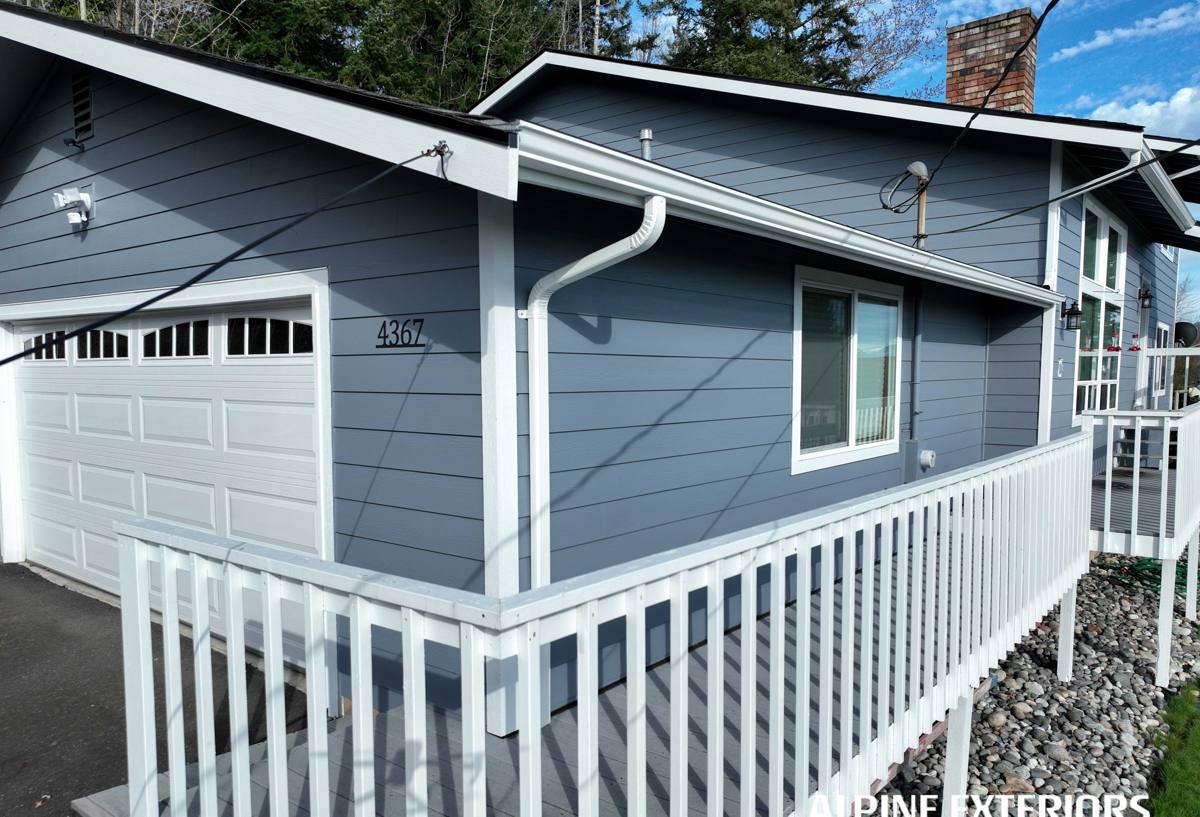
What St. Petersburg's Climate Does to a House
Pinellas County homes take on more punishment than most people realize, mostly because the damage happens slowly and out of sight until it doesn't. A few things drive most of the wear we see:
Intense, Year-Round UV
Florida sun is stronger and more constant than in most of the country. On roofs, UV breaks down asphalt shingle granules and dries out the oils that keep them flexible, which is a big part of why shingle roofs age faster here than the manufacturer's rated lifespan might suggest. On siding, UV fades color and can make some materials brittle over time, especially on south- and west-facing walls that catch the most direct sun.
Wind-Driven Rain
Rain in this area rarely falls straight down. Gulf storms push it sideways, which means water gets tested against every seam, flashing point, and window edge on a house, not just the flat surfaces. A roof or siding system that would keep water out in a calmer climate can still leak here if the flashing details and seals aren't done right.
Hurricane-Force Winds
Even in years without a direct hit, St. Petersburg sees tropical systems and strong seasonal storms that put real uplift pressure on roofs and push debris into siding and windows. Roofing that's fastened, sealed, and detailed to code holds up; roofing that was installed with shortcuts tends to show it first at the edges, ridges, and around penetrations.
Salt Air
St. Petersburg is a peninsula, and salt in the air travels farther inland than most homeowners expect. It accelerates corrosion on exposed metal — nails, flashing, fasteners, gutters, and hardware — which is why material choice and fastener quality matter more here than in a landlocked climate.
Roofing for Disston Heights Homes
Disston Heights has a mix of home ages and styles, so we don't push one roofing system on every house. What we look at is the roof's slope, the age and condition of the decking underneath, the home's exposure to sun and wind, and what the homeowner actually wants long-term — lowest upfront cost, longest lifespan, or something in between.
| Roofing Material | Typical Lifespan | How It Handles Local Conditions |
|---|---|---|
| Asphalt shingle (architectural) | 20-30 years | Good wind rating when properly fastened; UV and heat are the main things that shorten its life here |
| Metal roofing | 40-50+ years | Strong wind and impact resistance, reflects heat well, needs corrosion-resistant fasteners near the coast |
| Tile (concrete or clay) | 40-50+ years | Handles UV and heat very well; underlayment and fastening quality matter more than the tile itself |
| Flat/low-slope (modified bitumen, TPO) | 15-25 years | Common on additions and porches; seams and drainage detail are the points that fail first if done poorly |
Whatever the material, the underlayment, flashing, and fastening pattern matter as much as the shingles or tiles on top. A lot of the roof leaks we get called out for in this area trace back to flashing around chimneys, skylights, and roof-to-wall transitions rather than the field of the roof itself.
Siding, Windows, and Decks
Siding
Siding on a St. Petersburg home has to manage moisture from wind-driven rain and hold its color and shape under constant sun. We pay close attention to how a siding system is flashed and sealed at windows, corners, and the base of the wall, since that's where water intrusion actually starts. We're honest with homeowners about maintenance: some siding materials look great going in but demand more upkeep in a humid, sun-heavy climate, and we'd rather explain that trade-off upfront than let it become a surprise later.
Windows
In a hurricane-exposed county like Pinellas, window performance isn't just about energy efficiency — it's about impact resistance and how well the unit is sealed and flashed into the wall opening. A well-rated window installed poorly will still leak or fail; a good installation on a properly rated window is what actually holds up when wind-driven rain and storm pressure hit at the same time.
Decks
Outdoor decks in this climate deal with sun, humidity, and rain cycling year-round, which is hard on fasteners and framing even when the decking surface itself looks fine. We build and repair decks with attention to ledger board connections, joist protection, and drainage, since those are the parts that quietly fail first and are the most expensive to ignore.
Signs Your Roof or Exterior Needs a Look
Most exterior problems in this climate start small and stay hidden until they're expensive. A few things worth checking or having inspected:
- Granules collecting in gutters or at downspout exits (a sign of shingle wear)
- Curling, cracked, or missing shingles, especially after a windstorm
- Soft spots, staining, or sagging on interior ceilings near exterior walls
- Cracked or bubbling paint and siding, particularly on sun-exposed walls
- Gaps, soft caulking, or fogging around window frames
- Rust streaks near roof fasteners, flashing, or gutter hardware
- Visible daylight or drafts around window and door trim
- Soft, spongy, or discolored decking boards or deck framing
None of these automatically mean a full replacement is needed — a lot of the time it's a repair. But catching them early is what keeps a repair from turning into a bigger project.
Why a Local Crew Matters
A roofing or siding crew that works Pinellas County regularly knows how local building code and wind requirements apply here, knows what permitting looks like with the city, and has already seen how different materials actually hold up in this specific climate versus how they perform on paper. That's different from a crew that mainly works inland markets and treats Florida jobs as an exception.
Being local also means we're around after the job is done. If a storm rolls through and you want a roof checked, or a repair needs a follow-up, you're not chasing down a company that was only in town for one project.
What to Expect When You Call Us
We keep the process straightforward:
- We walk the roof, siding, windows, or deck in question and document what we actually find — not just what's visible from the ground.
- We explain what's a repair versus what genuinely needs replacement, and why, in plain terms.
- We give you a written estimate with the material and labor scope spelled out, so there's no guessing later.
- If you move forward, we handle permitting where required and keep you posted on scheduling and progress.
Cost Factors to Know Upfront
Every home is different, so we don't quote sight unseen, but these are the main things that move price on exterior projects in this area:
| Factor | Why It Matters |
|---|---|
| Roof size and pitch | Steeper and larger roofs take more material, labor time, and safety setup |
| Number of layers to remove | Tear-off of old roofing adds labor and disposal cost versus a clean deck |
| Decking condition | Rotted or soft decking found during tear-off needs replacement before new roofing goes on |
| Material choice | Shingle, metal, and tile carry different material and installation costs |
| Wind rating requirements | Higher wind-zone requirements can affect fastening patterns and underlayment specs |
| Access and complexity | Multiple stories, tight lots, or landscaping obstacles affect labor time |
We'd rather walk through these factors with you in person than throw out a number that doesn't hold up once we're actually on the roof or wall.
Get a Free, No-Pressure Estimate
If you're in Disston Heights and want a straight answer on your roof, siding, windows, or deck, use the form below to request a free estimate. No pressure, no obligation — just an honest look at what your home actually needs.