 St. Petersburg Roofing
 Roofing Built for Seminole's Coastal Climate
Seminole sits close enough to the Gulf that salt air, humidity, and storm exposure shape almost every decision a homeowner makes about their roof. This is a community of established neighborhoods with a real mix of roof ages and types — some homes still carry original roofs from decades ago, others have been through one or two replacements already. What all of them share is exposure to the same year-round conditions: intense UV that bakes shingles and breaks down sealants, sudden wind-driven rain that finds every weak point in flashing and underlayment, and salt-laden air that accelerates corrosion on metal fasteners, vents, and trim. A roof that would last thirty years in a drier, cooler climate is often working much harder here, and it shows in how quickly certain problems show up if a roof isn't properly maintained or wasn't installed with this environment in mind.
We work throughout St. Petersburg and the surrounding Pinellas County communities, including Seminole, and we see the same patterns over and over: granule loss on aging asphalt shingles from UV exposure, soft spots around chimneys and skylights where flashing has failed, and nail corrosion that lets shingles lift in wind before a storm even makes landfall. None of this is unusual — it's just what happens to a roof in this part of Florida over time. The goal isn't to scare anyone into a replacement they don't need. It's to catch these things early, when a repair is still a repair, and to build or replace roofs using materials and methods that actually hold up to what Pinellas County throws at them.
What Seminole Homes Typically Face
Wind and Storm Exposure
Seminole isn't directly on the coast, but it's close enough that tropical systems, seasonal thunderstorms, and straight-line wind events all bring real pressure to bear on roofs and siding. Hurricane-force gusts test every fastener, seam, and edge detail a roof has. The failures we see after a storm are rarely random — they cluster around ridge caps that weren't properly sealed, drip edges that were skipped or under-fastened, and flashing that was reused instead of replaced during a prior repair. Wind doesn't need a full system failure to cause damage; it just needs one weak point.
UV and Heat
Florida sun is relentless, and roofing materials are rated for it differently. Asphalt shingles lose granules and become brittle years before their rated lifespan if ventilation is poor or the wrong underlayment was used. Metal roofing handles UV well but still needs the right coatings and fastener systems to avoid heat-related expansion issues over time. Whatever the material, UV exposure here is a design factor, not an afterthought.
Salt Air and Corrosion
Even set back from the water, homes in this part of Pinellas County get enough salt in the air to matter. It accelerates rust on exposed fasteners, vent boots, and metal flashing, and it can shorten the life of lower-grade hardware significantly. This is one of the most overlooked factors in roofing decisions — the shingles might look fine while the fasteners underneath are quietly failing.
Wind-Driven Rain
Rain that comes in sideways during a storm behaves differently than a normal downpour. It gets pushed up under shingle edges, around vents, and into any gap in flashing that wouldn't be a problem in calmer weather. Proper underlayment, correctly lapped flashing, and sealed penetrations matter more here than in most climates, because the roof has to resist water moving in directions it wasn't necessarily designed for in older installations.
Roof Repair vs. Roof Replacement
One of the most common questions we get is whether a problem calls for a repair or a full replacement. The honest answer depends on the roof's age, the extent of the damage, and what's happening underneath the surface — not just what's visible from the ground.
| Situation | Usually a Repair | Usually a Replacement |
|---|---|---|
| Roof age | Under 15 years, well-maintained | Approaching or past manufacturer's rated life |
| Damage pattern | Isolated — one area, one storm event | Widespread granule loss, multiple leak points |
| Decking condition | Solid, no soft spots | Soft, rotted, or water-stained decking found |
| Flashing | Localized failure at one penetration | Flashing failing at multiple points, original install |
| Insurance situation | Minor, non-covered wear | Documented storm damage claim |
We inspect before we recommend anything, and we'll tell you plainly if a repair is the right call — even if that means a smaller job. A roof replacement is a significant investment, and it should be based on what the roof actually needs, not on upselling.
Roofing Materials That Make Sense Here
We install and repair a range of roofing systems, and the right choice depends on the home, the budget, and how long the homeowner plans to stay in it.
- Architectural asphalt shingles — the most common choice in Pinellas County, with a good balance of cost, wind rating, and appearance when installed with proper underlayment and ventilation.
- Metal roofing — higher upfront cost but excellent wind performance and longevity, especially appealing for homeowners planning to stay long-term or looking to reduce future maintenance.
- Tile roofing — common on many Florida homes, durable against UV and heat, but requires specialized installation and repair knowledge, particularly around underlayment replacement.
- Flat and low-slope roofing — found on additions, porches, and some home styles; needs the right membrane system to handle standing water and UV without the slope to shed it quickly.
Whatever the material, we pay close attention to the details that don't show up in a quick visual estimate: ventilation balance, underlayment type, fastener grade, and flashing detail at every penetration. Those details are what separate a roof that holds up through a decade of Gulf storms from one that starts failing after the first bad season.
Beyond the Roof: Siding, Windows, and Decks
A roof doesn't work in isolation — it's one part of a home's overall exterior envelope, and the same climate stress that affects roofing affects siding, windows, and outdoor structures too. We handle all four because they're connected, and because a homeowner dealing with storm or age-related damage often needs more than one addressed at the same time.
Siding
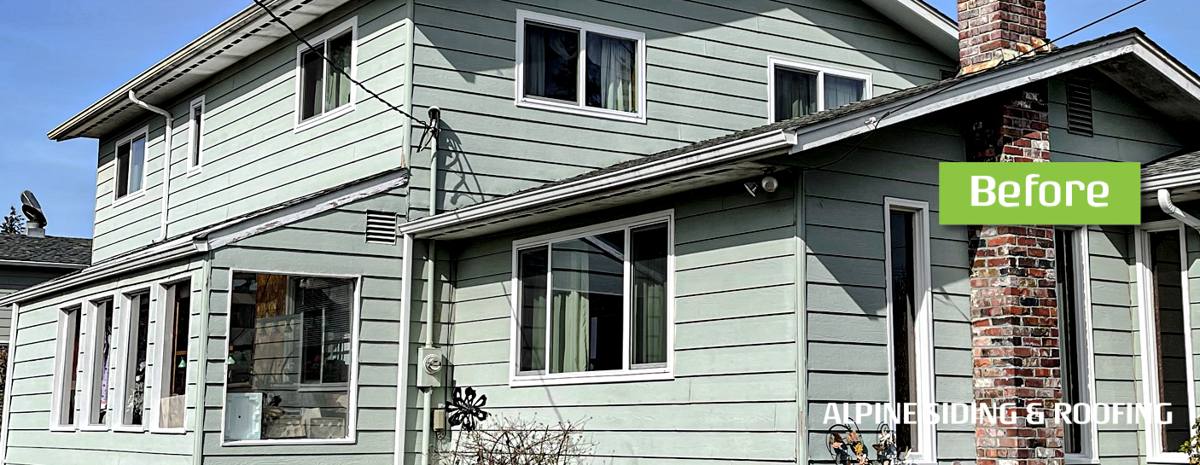
Siding takes a beating from the same UV and wind-driven rain that stresses roofs. Fiber cement and quality vinyl products hold up well in this climate when installed with proper moisture barriers and flashing at windows, doors, and corners. We look at siding as a water-management system first and a cosmetic finish second — the way it's installed matters more than which brand is on the label.
Windows
Impact-rated and properly flashed windows are worth the investment in this part of Florida, both for storm protection and for cutting down on the heat gain that drives up cooling costs. Old or poorly sealed windows are also a common source of water intrusion during wind-driven rain, even when the roof itself is fine.
Decks
Outdoor decks and porches face constant sun and humidity, which is hard on both wood and composite materials if they're not built and finished correctly. We build decks with attention to drainage, fastener corrosion resistance, and material choices that hold up outdoors in Florida rather than just looking good on installation day.
How We Approach Every Job
- Inspection first. We look at the whole system — roof, flashing, decking, ventilation, siding condition — before recommending anything.
- Honest scope. We explain what's actually needed versus what's optional, and why, in plain language.
- Written estimate. Clear pricing and scope before any work begins, no surprise add-ons mid-project.
- Proper installation. Manufacturer specifications and local building code requirements, not shortcuts.
- Cleanup and walkthrough. We finish by walking the property with the homeowner, not just handing over an invoice.
What to Check Before Storm Season
A little seasonal attention goes a long way toward avoiding emergency repairs after the next big blow. Here's what we recommend homeowners in Seminole and the surrounding area keep an eye on:
- Missing, curling, or cracked shingles, especially near ridges and edges
- Rust staining around vents, flashing, or metal fixtures
- Soft spots or sagging when walking the attic (if safely accessible)
- Gaps or cracked caulk around window and door flashing
- Clogged gutters, which can back water up under roof edges
- Loose or damaged siding panels, particularly at corners and seams
- Deck boards that feel spongy or fasteners showing rust
None of these require a professional eye to spot from the ground or a quick walk around the house. If something on this list looks off, it's worth having it looked at before it becomes a bigger problem during the next storm.
Why a Local Crew Matters
Roofing and exterior work in Pinellas County isn't the same job as it is inland or up north. Local crews understand which flashing details actually hold up to Gulf humidity and salt exposure, which fastener grades are worth the extra cost, and how local building code and wind-load requirements apply to a specific neighborhood and roof type. That local knowledge shows up in the small decisions — the underlayment choice, the way a valley is flashed, the ventilation balance — that determine whether a roof performs well for twenty years or starts causing problems in five.
Being local also means being available. When a storm rolls through St. Petersburg and Pinellas County, homeowners need a crew that can actually get to their property, not a call center routing to whoever's available regionally. We live and work in this area, and we take that responsibility seriously — both in the quality of the work and in being reachable when something goes wrong.
Maintenance That Extends a Roof's Life
Most roofing problems in this climate don't start as emergencies — they start small and get worse under repeated UV and storm exposure. A few habits make a real difference:
- Have the roof inspected after any significant storm, even if there's no visible damage
- Keep gutters and downspouts clear so water isn't backing up under the roof edge
- Trim back overhanging branches that can abrade shingles or drop debris
- Address small leaks immediately — they rarely stay small
- Re-caulk and re-seal around penetrations and window/door flashing periodically
None of this replaces a professional inspection, but it does reduce how often you need one on an emergency basis.
If you're noticing any of these warning signs on your Seminole home, or it's simply been a while since your roof, siding, windows, or deck were looked at by a professional, we're happy to take a look. Reach out for a free, no-pressure estimate using the form below — we'll assess what's actually going on and give you straight answers about what it needs.