 St. Petersburg Roofing
 Siding Built for What Pinellas Park Actually Deals With
Pinellas Park sits inside the same weather system as the rest of Pinellas County — the same tropical humidity, the same summer thunderstorm cycles, the same hurricane season exposure that runs every year from June through November. Homes here aren't dealing with abstract "Florida weather." They're dealing with a specific, repeating cycle: intense UV breaking down surface coatings, wind-driven rain forcing moisture into any gap in the exterior envelope, salt-laden air off the Gulf and Tampa Bay accelerating corrosion on fasteners and trim, and tropical-storm or hurricane-force wind events that test every seam, joint, and fastening pattern in the siding system.
Siding is the first line of defense against all of that. When it's failing — buckling, cracking, holding moisture, or simply worn past its finish life — the problems don't stay cosmetic for long. Water finds its way behind the cladding, sheathing and framing start absorbing moisture they were never designed to hold, and what should have been a siding job turns into a structural repair. Replacing siding correctly, with a material and installation method suited to this climate, is one of the more consequential exterior decisions a Pinellas Park homeowner makes.
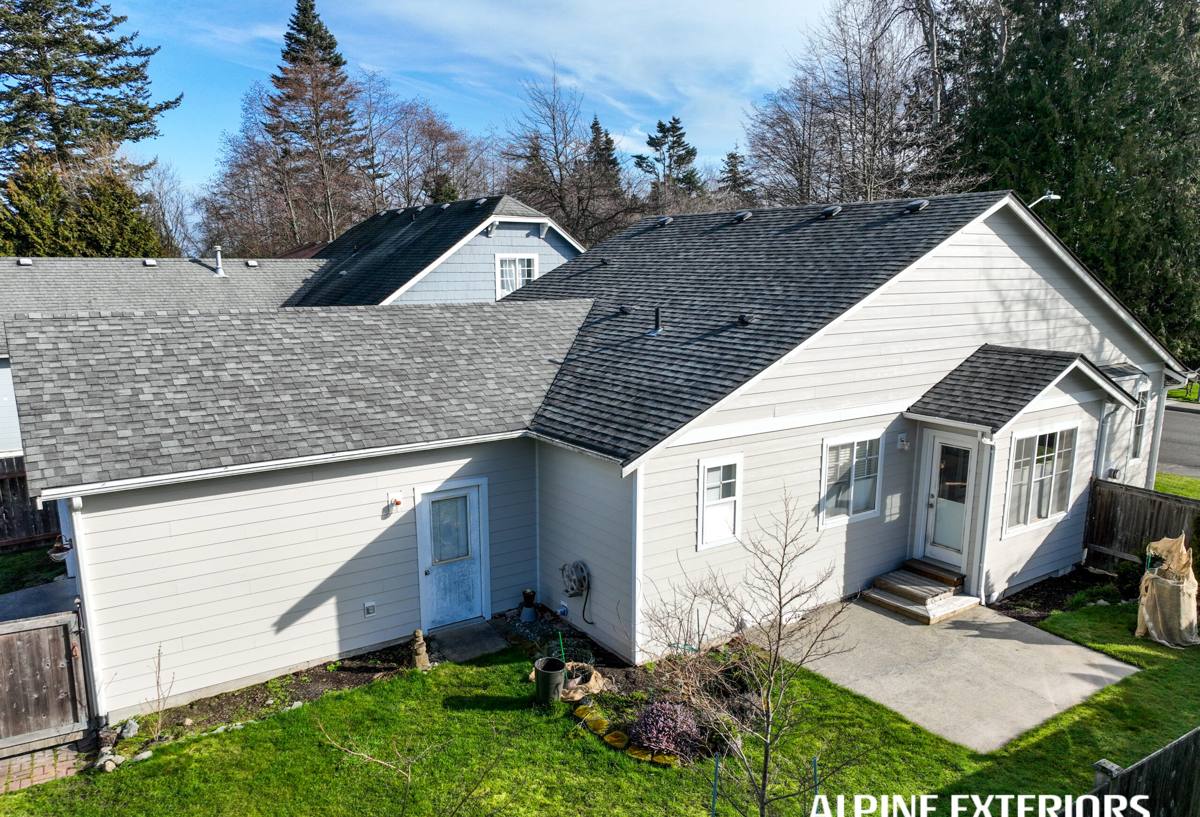
Signs a Pinellas Park Home Needs Replacement, Not Another Repair
Not every siding problem calls for a full tear-off. But there's a point where patching stops being the economical choice, and pushing past that point usually costs more in the long run. Some signals worth taking seriously:
- Boards that are soft, swollen, or crumbling at the edges — a sign moisture has already gotten into the material itself
- Paint that won't hold anymore no matter how often it's redone, especially on south- and west-facing walls that take the most UV
- Visible warping, buckling, or gaps between boards, particularly after storm season
- Rust streaking from fastener heads, which usually means the fasteners themselves are corroding
- Soft spots or discoloration on interior walls near exterior corners — often the first indoor sign of a siding failure outside
- Siding that's simply reached the end of its practical service life, regardless of visible damage
If more than one or two of these apply, a repair is usually just delaying the same decision at a higher eventual cost, since the underlying sheathing and moisture barrier are often already compromised.
What a Correct Siding Replacement Actually Involves
It Starts Underneath the Siding, Not With It
The siding itself is the part homeowners see, but the job that determines whether it lasts happens underneath it. A correct replacement means removing the old cladding down to the sheathing, inspecting that sheathing for rot or water damage, and repairing or replacing any compromised sections before anything new goes up. Skipping this step is one of the most common ways a siding job fails early — new siding over damaged sheathing just hides the problem for a while.
The Moisture Barrier Is Not Optional
A weather-resistant barrier goes over the sheathing before the siding does. In a climate with this much wind-driven rain, that barrier — and how carefully it's lapped, sealed, and integrated with flashing at windows, doors, and penetrations — is doing as much work as the siding itself. Corners, seams, and anywhere two materials meet are where water actually gets in, so those details matter more than the field of the wall.
Fastening and Spacing to Wind Exposure
Fastener type, spacing, and placement all need to match the product manufacturer's specifications for the wind exposure category of the home's location — not a generic pattern used everywhere. Under-fastened or incorrectly placed siding is one of the more common causes of wind damage in coastal Florida counties, and it's a defect that's invisible until a storm finds it.
Trim, Caulking, and Finish Details
The last stage — trim work, corner details, caulking at joints, and final finish — is what determines how the house looks for the next fifteen-plus years and how well it sheds water at the details a rushed crew tends to skip.
Why We Only Install James Hardie Fiber Cement
We install James Hardie fiber cement siding exclusively — not vinyl, not LP SmartSide, not Cemplank, not Allura, not primed wood. That's a deliberate standard, not a lack of options.
Fiber cement doesn't burn, doesn't attract termites, and doesn't soften or rot the way wood-based products can when they take on repeated moisture exposure — a real consideration in a climate where humidity and wind-driven rain are constants, not occasional events. James Hardie's ColorPlus finish is baked on at the factory rather than field-applied, which gives it better UV resistance than a job-site paint job has to work against year after year. Hardie also engineers specific product lines (their HZ5 designation) for high-humidity, storm-prone climates like ours, and backs the material with a strong, transferable warranty that matters if the home changes hands.
None of that means other products are without merit — vinyl is inexpensive and low-maintenance in mild climates, and engineered wood products have their own strengths. But for what Pinellas Park's climate does to an exterior over a full ownership cycle, fiber cement installed correctly is the standard we're willing to put our name behind.
Our Process for a Pinellas Park Siding Replacement
- On-site assessment. We walk the exterior, check the condition of existing siding and (where visible) the sheathing beneath it, and note wind exposure, sun exposure, and any trouble spots specific to the property.
- Written estimate and product selection. We go over James Hardie product line and color options, explain what's included, and put the scope and cost in writing before any work starts.
- Tear-off and sheathing inspection. Old siding comes off, sheathing gets inspected, and any damaged sections are repaired before we move forward.
- Weather-resistant barrier and flashing. Properly lapped and sealed, with extra attention at windows, doors, corners, and any wall penetration.
- Hardie installation to manufacturer spec. Fastening pattern, spacing, and clearances set to the wind exposure and manufacturer requirements for the site — not a generic default.
- Trim, caulking, and final finish. The details that determine both appearance and long-term water shedding.
- Final walkthrough. We go over the finished work with the homeowner before calling the job done.
What Drives the Cost of a Siding Replacement
Every home is different, and we don't quote sight-unseen, but these are the main factors that move a siding replacement estimate up or down:
| Factor | Why It Matters |
|---|---|
| Home size and wall area | More square footage means more material and labor hours |
| Sheathing condition | Hidden rot or water damage found during tear-off adds repair scope |
| Number of stories and roof lines | Complex rooflines and second-story work add access and labor time |
| Siding profile and trim detail | Board width, trim style, and corner details affect material and labor |
| Existing siding type | Some materials are more labor-intensive to remove than others |
| Color and finish selection | ColorPlus factory finishes vary in cost by product line and color |
We walk through each of these during the on-site estimate so the number you get reflects the actual home, not a generic per-square-foot guess.
Why a Crew That Already Works Pinellas Park Matters
Building codes, wind-load requirements, and permitting processes are set at the county and municipal level, and they're not identical from one Florida city to the next. A crew that already works regularly in Pinellas Park and the broader St. Petersburg area knows the permitting process, understands the wind exposure standards that apply locally, and isn't learning those requirements for the first time on your job. That familiarity shows up in fewer surprises, fewer permitting delays, and a job scoped correctly from the estimate onward — rather than adjustments discovered mid-project.
It also means a crew that's seen how siding actually performs — and fails — on homes in this specific climate, not just in a training manual. That's the kind of knowledge that shows up in the small decisions: where to add extra flashing attention, which details tend to be the weak point in wind events, and how to fasten for the exposure this particular property actually sees.
After the Install: Keeping Hardie Siding Performing Long-Term
James Hardie fiber cement is low-maintenance compared to wood or many engineered products, but "low-maintenance" isn't "no-maintenance" — especially in a climate this demanding. A simple annual routine keeps it performing for the long haul:
- Rinse down the siding periodically to clear salt residue and airborne grime, especially on sides facing open water or prevailing wind
- Walk the exterior after major storms and check caulking at joints, trim, and penetrations for cracking or separation
- Watch for any staining or discoloration that could signal water tracking behind a joint
- Keep gutters and downspouts clear so water isn't sheeting down the siding face
- Address any caulking or trim issues promptly — small gaps are cheap to fix and expensive to ignore
A few minutes a couple of times a year is generally all it takes to keep a correctly installed system performing the way it's designed to.
Get a Free, No-Pressure Estimate
If your Pinellas Park home's siding is showing its age — or you just want an honest read on whether repair or replacement makes more sense — we're glad to come take a look. The estimate is free, there's no pressure to commit, and you'll walk away with a clear picture of the condition of your home's exterior and what it would take to get it right. Fill out the form below to get started.