 St. Petersburg Roofing
 Exterior Work Built for a Barrier Island
St. Pete Beach sits on a narrow strip of land between the Gulf of Mexico and Boca Ciega Bay, and that location shapes every decision we make about roofing, siding, windows, and decks here. Homes on the island don't age the same way homes ten miles inland do. Salt-laden air moves through the neighborhood constantly, even on calm days, and it settles on metal fasteners, flashing, and trim long before most homeowners notice anything wrong. Add in the intense, near-constant Florida sun and the wind-driven rain that comes with our seasonal storms, and you have a climate that is genuinely harder on a house than almost anywhere else in the state.
We work throughout St. Petersburg and Pinellas County, but barrier island properties like the ones in St. Pete Beach get treated as their own category. The materials, fastener choices, and inspection intervals we recommend here are different from what we'd suggest for a home a few miles inland, and that distinction matters if you want an exterior that actually lasts.
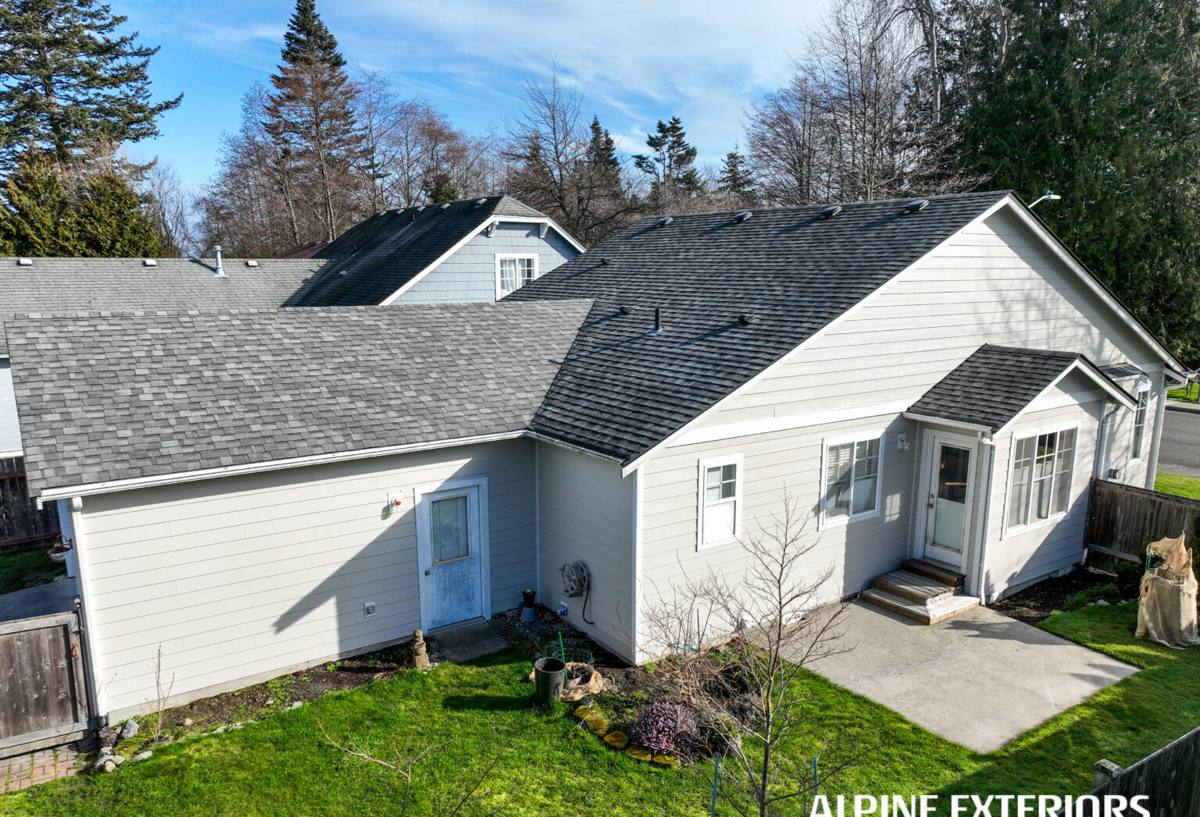
What the Coastal Climate Actually Does to a Home
Salt Air and Corrosion
Airborne salt is corrosive to unprotected or poorly coated metal. On a roof, that means exposed fasteners, drip edge, and flashing are the first components to show rust or pitting, sometimes years before the roofing material itself is due for replacement. On siding, it shows up as corroded nail heads bleeding through paint, or hardware around windows and doors that stiffens and eventually seizes. This isn't a defect in a home — it's just what happens to standard-grade materials in a marine environment over time, and it's the main reason fastener and flashing quality matters as much as the roofing or siding material on top of them.
UV Exposure
Florida sun is intense year-round, not just in summer, and St. Pete Beach gets full, unobstructed exposure with very little tree canopy to soften it. UV breaks down asphalt shingle granules, dries out sealants, and fades and embrittles vinyl and lower-grade composite products faster than manufacturers' national averages would suggest. Anything installed here should be rated with that in mind, and warranty language that assumes a milder climate should be read carefully.
Wind and Wind-Driven Rain
Pinellas County's coastal areas, including St. Pete Beach, fall within Florida's wind-borne debris region under the state building code, which is why replacement windows and doors here typically need to be impact-rated or paired with approved shutters. Wind-driven rain during tropical systems doesn't just test your roof covering — it tests every seam, flashing detail, and penetration on the exterior envelope. A roof that would keep out ordinary rain can still leak in a sideways storm if the underlayment, flashing, and edge details weren't built for it.
Roofing on the Island
We install and repair asphalt shingle, metal, and tile roofing, and the right choice depends on your home's structure, your budget, and how much long-term maintenance you want to take on. For coastal properties we lean on corrosion-resistant fasteners and flashing as a baseline, not an upgrade, because the cost of replacing a failed nail or flashing detail later is far higher than the small difference in material cost up front.
Roof Materials for a Marine Environment
| Material | Coastal Durability | Typical Lifespan | Maintenance Notes |
|---|---|---|---|
| Architectural asphalt shingle | Good with proper ventilation and quality underlayment | 20-30 years | Inspect after major storms; UV and salt accelerate granule loss |
| Standing seam metal | Excellent when coated and fastened correctly | 40-50+ years | Check fastener and coating condition periodically; higher upfront cost |
| Concrete or clay tile | Very good; heavy and wind-resistant | 40-50+ years | Underlayment fails before the tile does; structural load must be verified |
We also handle roof repairs — from storm damage to isolated leaks around penetrations, chimneys, or skylights — without pushing a full replacement when a targeted repair will genuinely solve the problem. If a repair isn't the honest answer, we'll tell you that too, and explain why.
Siding for Salt Air Durability
Siding on a barrier island home takes a steady beating from humidity, salt, and sun, so the material and installation details matter more here than in a typical inland neighborhood. We install fiber cement and quality vinyl siding systems, and we size the recommendation to the house and its exposure.
Fiber cement holds up well in coastal conditions because it resists moisture-related warping and doesn't become brittle under UV the way some lower-grade materials can over years of full-sun exposure. It does require careful installation — proper fastening, flashing, and paint or factory finish maintenance — but for homes with heavy sun and salt exposure, we generally recommend it as the more durable long-term choice. Vinyl siding remains a solid, lower-maintenance option for many homes, particularly where budget or architectural style favors it; the key there is choosing a product rated for higher wind and impact resistance rather than a builder-grade panel, since standard vinyl can become more brittle faster under constant coastal sun.
Whichever material you choose, the flashing and moisture barrier behind the siding matters as much as what's visible on the surface. Wind-driven rain will find any gap over enough storm seasons, and a properly detailed water-resistive barrier is what actually keeps that moisture out of the wall assembly.
Windows and Doors
Because St. Pete Beach sits in the wind-borne debris region, window and door replacements here typically need to meet impact standards or be paired with code-compliant shutters — this isn't optional upgrade territory, it's how the products are specified for this part of the county. Impact-rated windows also bring a real everyday benefit beyond storm protection: better sound dampening from beach and boat traffic, and improved UV and heat rejection that can noticeably reduce how hard your air conditioning has to work through a Florida summer.
We look at frame material with the same coastal lens we apply to roofing and siding hardware — corrosion-resistant frames and fasteners are worth the modest cost difference on a barrier island home, since standard-grade hardware near saltwater can start showing wear within just a few years.
Questions Worth Asking Before You Replace Windows
- Is the product rated for the wind-borne debris region requirements that apply to this address?
- What frame material and hardware finish is specified, and is it rated for coastal/marine exposure?
- Does the installation include proper flashing and sealant detailing around each opening, not just the unit itself?
- What does the manufacturer's warranty actually cover in a salt-air environment, and does it require specific maintenance to stay valid?
- Will the permit and inspection process be handled by the contractor, including any required product approval documentation?
Decks in a Marine Environment
Outdoor decks on the island face the same combination of salt, sun, and moisture as the rest of the exterior, plus direct weather exposure with no roof covering to shield them. Fastener corrosion is the most common early failure point we see on decks near the water — standard hardware can rust and stain the surrounding wood or composite well before the deck boards themselves are worn out. We build and repair decks using corrosion-resistant fastening systems and framing hardware rated for coastal exposure, whether the deck surface itself is a wood species suited to Florida's humidity or a composite product chosen for lower long-term maintenance.
Ledger attachment, joist spacing, and proper drainage away from the house are just as important on a deck as the visible boards on top — a deck that looks fine can still have a compromised structural connection if those details were rushed during the original build.
Why a Local Crew Matters Here
Working on a barrier island isn't the same as working a standard suburban lot. Staging materials, parking, and access can be tighter, permitting details are specific to the jurisdiction, and product approvals need to match what's actually required for wind-borne debris region compliance rather than a generic statewide standard. A crew that works St. Petersburg and Pinellas County regularly knows these logistics and the local permitting process, which keeps a project moving instead of stalling on avoidable paperwork or access issues.
Local presence also matters after a storm. When wind-driven rain finds a weak point in a roof or siding system, the difference between a contractor who can get out to assess damage quickly and one who's managing jobs across a much wider region is real — both in how fast a leak gets addressed and in how much secondary damage a home ends up with.
Maintenance That Actually Extends the Life of a Coastal Exterior
Most exterior failures we see on barrier island homes aren't sudden — they're the slow result of small issues that went unchecked for a few years in a climate that doesn't forgive neglect. A simple annual routine catches most of it early.
- Walk the roofline after major storms and after hurricane season for lifted shingles, damaged flashing, or debris buildup around vents and valleys
- Check exposed fasteners on siding, trim, and railings for early rust staining, which usually shows up well before structural wear
- Rinse salt residue off siding, windows, and railings periodically, especially on homes closest to the water
- Inspect caulking and sealant around windows and doors annually, since UV and salt air break these down faster here than inland
- Confirm gutters and downspouts are clear and directing water away from the foundation before storm season
- Have a professional inspection every few years, even with no visible problems, to catch flashing or underlayment issues before they become leaks
Getting Started
If you're dealing with a roof that's showing its age, siding that's taken a beating from salt and sun, windows that need to meet current wind-borne debris region standards, or a deck that needs attention, we're happy to take a look and give you a straight assessment — no pressure, no inflated scope. We'll tell you what actually needs to happen now, what can wait, and why. Fill out the form below for a free estimate.