 St. Petersburg Roofing
 Roofing in Bartlett Park: What the Climate Actually Does to a Home
Bartlett Park sits inside St. Petersburg, in Pinellas County, which means every home here deals with the same short list of stressors year-round: long stretches of intense UV, humidity that never really lets up, wind-driven rain that finds every gap in a building envelope, and a low but steady dose of salt air coming off the surrounding bay and gulf waters. None of these show up as one dramatic event most of the time. They show up as granule loss on a roof a few years early, caulk lines that crack before their warranty is up, or fasteners that corrode faster than the spec sheet promised.
Then, once or twice a season, you get the dramatic event — a tropical system or a straight-line wind event that tests every seam, flashing point, and attachment on the house at once. A roof or siding job that looks fine in July can fail in exactly the spot nobody checked in October. That's the gap we're in business to close: doing the boring, careful work in the calm months so the house performs when it isn't calm.
The Neighborhood Housing Mix and Why It Matters
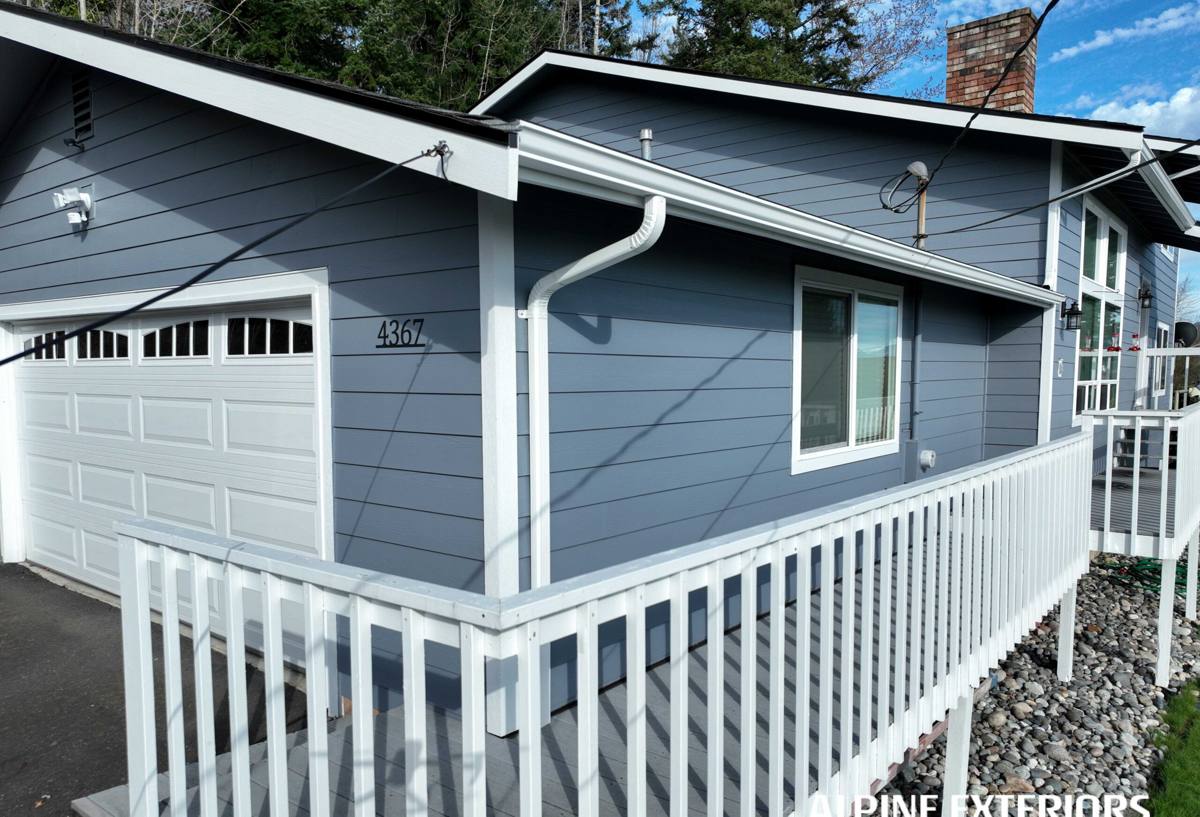
Like a lot of established St. Petersburg neighborhoods, Bartlett Park has a mix of older single-story homes alongside newer infill construction and renovated properties. That mix matters for exterior work because the right approach depends heavily on the age and construction of the specific house, not just the neighborhood it's in:
- Older homes often have roof decking, fascia, and soffit systems that were built to codes from decades ago — before current Florida wind-load and attachment standards existed.
- Additions and re-roofs done over the years can create transition points (where an old roof section meets a newer one) that are common leak origins.
- Newer or recently renovated homes may already meet modern wind codes, but that doesn't mean every trade that touched the house since installed things correctly — we still see roof penetrations for solar, satellite, or HVAC line sets that weren't flashed properly.
- Mature tree canopy, common in older Pinellas County neighborhoods, means more debris load, more shade-driven moisture retention on north-facing slopes, and more limb-strike risk during storms.
We treat every Bartlett Park estimate as its own inspection rather than assuming what we'll find based on the block. A home built in the 1950s and one built in the last ten years can need completely different scopes of work even sitting next door to each other.
Roofing: Materials, Trade-Offs, and What We Recommend
Asphalt Shingle Roofs
Architectural asphalt shingles remain the most common roof covering in this part of Florida because they balance upfront cost against performance reasonably well when installed correctly. The installation details matter more than the shingle brand: proper nailing patterns rated for high wind, sealed and lapped underlayment, and starter/hip/ridge shingles rated to match the field shingle's wind rating. A shingle roof installed to a minimum-code standard will underperform one installed to a high-wind standard, even if the shingles themselves are identical.
Metal Roofing
Standing-seam metal is increasingly common on both new builds and re-roofs in the St. Petersburg area, largely because it holds up well against wind uplift and handles decades of UV exposure without the granule degradation shingles experience. It costs more upfront. For homeowners planning to stay long-term, or who want to reduce how often they think about their roof, it's often worth the difference.
Tile Roofing
Concrete and clay tile show up on some homes in the area, particularly renovated or higher-end properties. Tile itself is durable against UV and salt air, but the underlayment beneath it is doing the actual waterproofing work and has a shorter service life than the tile. A tile roof is only as good as the underlayment under it — that's a maintenance conversation we have honestly with every tile roof customer, not a sales pitch for anything.
| Roof Type | Typical Wind Performance | UV/Salt Air Behavior | Maintenance Pattern |
|---|---|---|---|
| Architectural Shingle | Good, if installed to high-wind spec | Granule loss accelerates near coast over time | Periodic inspection, moderate lifespan |
| Standing-Seam Metal | Strong uplift resistance with proper fastening | Handles UV and salt air well; coating matters | Low; long service life |
| Concrete/Clay Tile | Good when tiles are properly secured | Tile itself holds up; underlayment is the weak link | Underlayment replacement eventually needed |
How We Approach a Roof Job Here
Every roof project starts the same way, whether it's a repair or a full replacement:
- Inspection first. We look at decking condition, flashing at every penetration and wall transition, attic ventilation, and the current attachment method — not just what's visible from the ground.
- Honest scope. We tell you what actually needs to happen, including if a repair is a better call than a full replacement, or vice versa.
- Permit and code compliance. Roofing work in St. Petersburg and unincorporated Pinellas County requires permitting through the appropriate building department, and current Florida Building Code wind-load provisions apply to re-roofs, not just new construction.
- Installation to a high-wind standard, not a minimum-code standard, on fastening, underlayment lapping, and edge/ridge detailing — the parts that separate a roof that survives a wind event from one that doesn't.
- Final walkthrough so you understand what was done and what to watch for going forward.
Siding: The Other Half of Weather Protection
A roof keeps water out from above; siding keeps wind-driven rain out from the sides, which matters just as much during the kind of horizontal, gusty rain events this region gets. We install and repair fiber cement, engineered wood, and vinyl siding systems, and the right choice depends on the home and the homeowner's priorities:
- Fiber cement holds up well against moisture and doesn't warp or rot the way some wood-based products can, though it's heavier and requires correct fastening and caulking at every seam to perform as designed.
- Vinyl is lower-cost and low-maintenance but can become brittle with age under sustained UV exposure, and its performance in high wind depends heavily on proper installation to the manufacturer's fastening spec.
- Engineered wood siding offers a traditional look with better moisture resistance than solid wood, but it still requires diligent caulking and paint maintenance in a humid climate.
Whatever the material, the failure points are almost always the same: unsealed seams, incorrect fastener spacing, and poor flashing where siding meets windows, doors, or the roofline. That's where salt air and humidity get in and start doing damage you can't see from the street.
Windows: Impact Rating and Sealing Matter More Than Style
Window replacement in this part of Florida is really a wind and water job before it's an aesthetics job. Depending on the home's wind-borne debris region designation, impact-rated windows (or approved shutter protection) may be required by code. Beyond the glass rating itself, the installation details we focus on are:
- Proper flashing integration with the surrounding wall assembly so water can't track behind the window frame.
- Sealant systems rated for sustained UV and humidity exposure, not general-purpose caulk that dries out and cracks within a couple of years.
- Correct fastening to the structural opening, verified against the window's design pressure rating.
A well-rated window installed poorly will leak and underperform in wind. An older window replaced correctly, with attention to those three details, often outperforms a "better" window installed carelessly.
Decks: Built for Sun, Rain, and Salt Air
Outdoor decks in this climate take a beating from constant UV and moisture cycling — wet from rain or humidity, then baked by direct sun, repeated year-round. We build and repair decks with attention to a few specific details that matter more here than in drier climates:
- Fastener and hardware corrosion resistance rated for coastal exposure, not standard interior-grade hardware.
- Proper spacing and drainage in decking boards so water doesn't pool and accelerate rot or coating failure.
- Ledger board flashing where the deck attaches to the house — one of the most common sources of hidden structural rot if done wrong.
- Composite decking as an option for homeowners who want to reduce the sanding, sealing, and staining cycle that wood decking needs in this climate.
Storm Season Readiness Checklist
Whether or not you're due for a full exterior project, these are worth checking before storm season each year:
- Roof: missing, lifted, or cracked shingles or tiles; visible rust at metal roof fasteners or flashing.
- Gutters and downspouts clear and securely attached, directing water away from the foundation.
- Siding seams and caulking intact, with no visible gaps at window and door trim.
- Window and door weatherstripping and seals in good condition, not dried out or cracked.
- Deck hardware free of significant corrosion, and structural connections (posts, ledger board) solid to the touch.
- Overhanging tree limbs trimmed back from the roofline.
What Drives the Cost of a Project
| Factor | Why It Affects Price |
|---|---|
| Roof size and pitch | More surface area and steeper slopes increase labor and material needs |
| Material choice | Metal and tile cost more upfront than shingle; each has different labor requirements |
| Existing damage or decking condition | Rotten decking or hidden water damage adds repair scope before new material goes on |
| Number of penetrations/transitions | Chimneys, skylights, vents, and roof-to-wall transitions each need individual flashing work |
| Permit and code requirements | Wind-load and impact-rating requirements can affect material and installation specs |
We give straightforward, itemized estimates so you can see what's driving the number, not just a bottom-line total.
Why Working With a Local Crew Makes a Difference
A crew that works throughout St. Petersburg and Pinellas County regularly sees how homes in this specific climate actually age — which flashing details fail first, which materials hold up to salt air and which don't, and what the local permitting process actually requires. That's different from general knowledge about roofing or siding in the abstract. It also means when storm season hits and everyone in the region needs help at once, a local crew with local relationships and local supply lines is better positioned to respond than one working out of a distant office.
We also stand behind our work with straightforward workmanship warranties and manufacturer-backed material warranties, explained plainly before you sign anything — no fine print surprises.
Get a Free, No-Pressure Estimate
If you're noticing early signs of wear on your roof, siding, windows, or deck — or you just want an honest opinion on what condition your home's exterior is really in — we're happy to take a look. Use the form below to request a free estimate, and we'll walk the property, explain what we find, and give you a straightforward scope and price with no obligation.