 St. Petersburg Roofing
 Exterior Work in Historic Kenwood
Historic Kenwood is one of St. Petersburg's older residential neighborhoods, built up mostly during the bungalow boom of the 1920s and filled in over the following decades. Homes here tend to have real character — deep eaves, wood-frame construction, mature tree canopy, and roof and wall assemblies that were never designed with today's storm codes in mind. That combination makes exterior work in this part of Pinellas County a little different from a new-construction subdivision on the edge of town. We're not just replacing materials; we're working around older framing, settled foundations, and, in many cases, a neighborhood that cares about how a house looks from the street.
Every roof, siding job, window replacement, or deck we build in this area has to answer to the same climate: hurricane-force wind events, sun that beats down nearly year-round, wind-driven rain that finds every gap, and salt-laden air drifting in off Tampa Bay. On an older home, those forces have usually had decades longer to work than on a newer build a few miles away.
What St. Petersburg's Climate Does to Older Homes
UV exposure in this part of Florida is intense and constant, not seasonal. Asphalt shingles, painted wood trim, and vinyl or fiber cement siding all lose oils and pigment faster here than they would in a milder climate, which shows up as chalking, fading, and brittleness years before a manufacturer's warranty would suggest. Wind-driven rain is the other constant — it doesn't just fall, it gets pushed sideways into fascia boards, window frames, and any seam that isn't properly flashed or sealed. And because Historic Kenwood sits close enough to the bay to catch salt air, metal fasteners, flashing, and hardware corrode faster than they would further inland, which is a detail a lot of out-of-area contractors don't think to plan for.
On homes with original or early-generation replacement roofing and siding, these effects compound. A roof deck that's flexed through forty or fifty storm seasons, or wood siding that's been painted over a dozen times without ever being properly inspected underneath, often has hidden problems that don't show from the ground.
Roofing for Kenwood's Older Homes
Common Roof Types We See
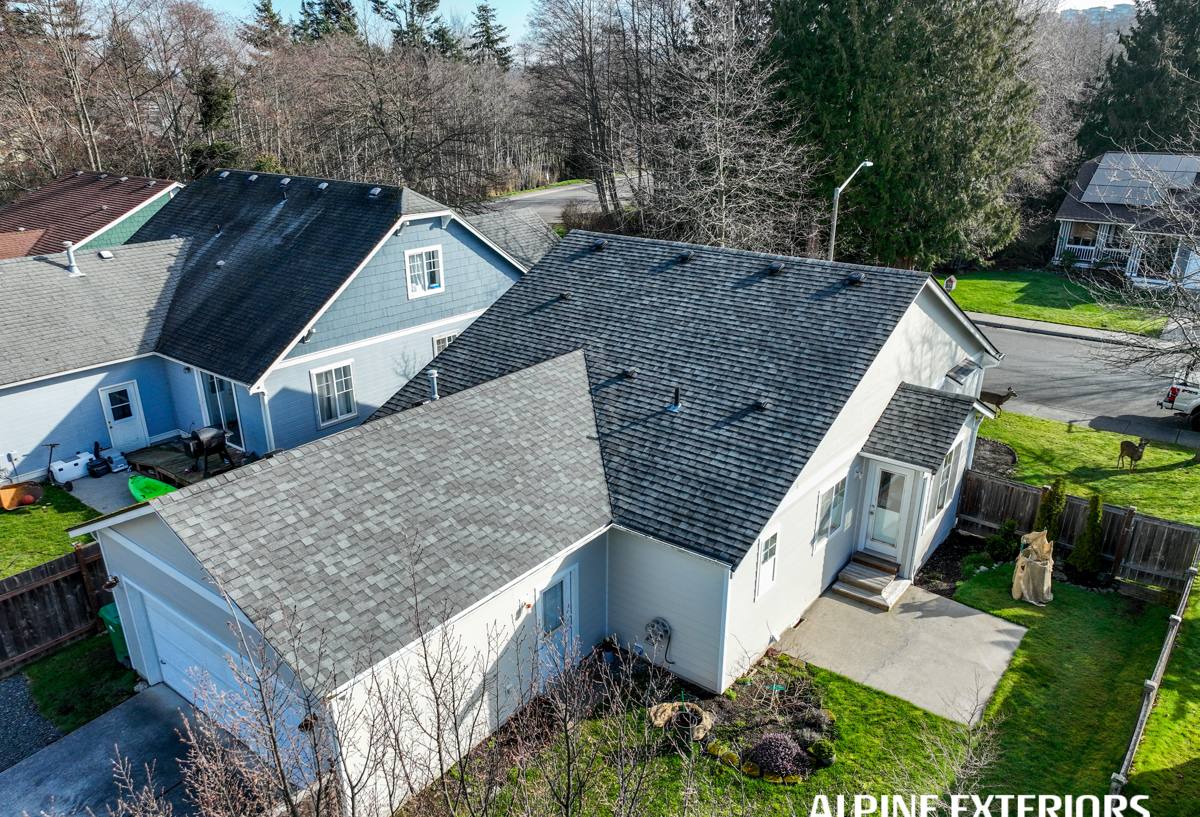
Bungalow-era homes in this neighborhood were generally built with simple gable or hip rooflines, moderate pitches, and deep overhangs for shade — a smart design for Florida heat, but one that also creates more edge and eave length exposed to wind uplift. Over the decades, most of these roofs have been reroofed at least once, usually with asphalt shingles, though we also come across standing-seam metal and, less often, barrel or flat tile on homes that had more substantial updates.
What Matters Most on an Older Structure
On a home this age, the roofing material is only part of the story. We pay close attention to:
- Deck condition underneath — plywood or old-growth board decking that may need sistering or replacement, not just a new layer on top
- Attic ventilation, which is often inadequate by today's standards and accelerates shingle aging from underneath
- Flashing at chimneys, dormers, and roof-to-wall transitions, which is where most of the leaks we find on older homes actually originate
- Fastener and connection strength, since current Florida Building Code wind-uplift requirements didn't exist when these roofs were first built
Replacing a roof on a historic-era home is a chance to quietly bring the structure up to current wind-resistance standards without changing how it looks from the street.
Signs Your Roof Needs a Closer Look
Because so much roof damage in this climate happens gradually, it's easy to miss until a storm forces the issue. Homeowners in Historic Kenwood should watch for:
- Granule buildup in gutters or at downspout outlets
- Shingles that look curled, cupped, or have visibly lost their color uniformity
- Soft spots or sagging when walking the attic (or visible daylight through the roof deck)
- Water stains on interior ceilings, especially near chimneys or valleys
- Rust streaking on metal roofing or exposed fasteners
- Missing or lifted shingles after any significant wind event, even a routine summer storm
A roof doesn't need to be actively leaking to be due for repair — by the time water shows up inside, the underlying damage is usually well established.
Siding Choices for Historic-Character Homes
A lot of the original siding in this neighborhood was wood lap siding, and many homeowners want to keep that look even when the material underneath needs to change. Original wood siding can often be repaired in sections rather than fully replaced, which preserves the historic profile, but it does require ongoing maintenance — repainting on a regular cycle and prompt attention to any moisture intrusion, since humidity and rain in this climate will rot exposed wood faster than in drier regions.
For homeowners who want the traditional lap-siding look with less upkeep, fiber cement siding milled to match narrow historic reveals is a common middle ground. It holds paint longer than wood, resists moisture and pests better, and stands up to UV without the chalking that vinyl products show after a few Florida summers. We treat the choice between repairing original wood and converting to fiber cement as a maintenance and budget conversation, not a right-or-wrong one — both are legitimate options depending on how much upkeep a homeowner wants to take on.
Windows: Balancing Efficiency and Historic Look
Original wood windows in homes from this era are often single-pane, which means poor insulation and, frequently, wood sashes that have swollen, stuck, or begun to rot at the sills after decades of humidity exposure. Full replacement with modern impact-rated windows improves energy efficiency and storm protection significantly, and manufacturers now offer profiles that mimic traditional divided-light and true muntin patterns closely enough to preserve the home's appearance.
Where a homeowner wants to keep original windows for authenticity, we can discuss repair and weatherproofing options, but it's worth being honest about the trade-off: original single-pane wood windows, even well restored, won't match the wind and impact performance of a current-code replacement. That's a decision best made with full information, not a hard sales push either direction.
Decks and Outdoor Living
Outdoor living is a big part of why people choose an older, tree-shaded neighborhood like this one, but Gulf Coast humidity is hard on deck materials. Untreated or poorly maintained wood decking can show rot and fastener corrosion within a few years, especially in shaded, damp spots under mature trees. Composite decking holds up better against moisture and UV fading and requires less annual maintenance, though it comes at a higher upfront cost than wood. Whichever material a homeowner chooses, proper ledger attachment, joist spacing, and corrosion-resistant fasteners matter more here than in a drier climate — salt air and humidity will find any weak point in the hardware over time.
Working Within a Historic Setting
Homes in a recognized historic district can be subject to design review for exterior changes visible from the street — things like siding material, window profiles, and roofing color or texture. Requirements vary by property and by the specific guidelines that apply, so we always recommend homeowners confirm what's required for their address before finalizing material choices. Where review is required, we work within it rather than around it, aiming for materials that meet current performance standards while keeping the visual character the neighborhood is known for.
Comparing Common Exterior Material Options
| Material | Typical Lifespan (FL Gulf Coast) | Maintenance Level | Historic-Look Compatibility |
|---|---|---|---|
| Asphalt shingle roofing | 15–20 years | Low to moderate | Good — wide range of colors/profiles |
| Standing-seam metal roofing | 30–50 years | Low | Moderate — depends on original roof style |
| Original wood lap siding (repaired) | Ongoing with upkeep | High | Excellent — true original material |
| Fiber cement siding | 30+ years | Low to moderate | Good — can match historic reveals |
| Wood decking | 10–15 years | High | Traditional appearance |
| Composite decking | 25–30 years | Low | Good — modern boards mimic wood tones |
Why a Local Crew Matters
Working on homes in Historic Kenwood means understanding both the building science of older structures and the practical realities of St. Petersburg's climate and permitting environment. A crew that only works new construction, or that isn't familiar with Pinellas County's wind-load and coastal exposure requirements, is more likely to miss the details that matter on an older roof deck or original wall assembly. Being local also means we can respond quickly after a storm, follow up on a repair without a long drive, and give straight answers about what a particular home actually needs — not a one-size-fits-all package built for a different climate or a newer subdivision.
If you own a home in Historic Kenwood and want an honest look at your roof, siding, windows, or deck, we're happy to walk the property with you and talk through your options. Reach out for a free, no-pressure estimate using the form below.