 St. Petersburg Roofing
 Two Shingles, One Big Decision
If you're re-roofing a home in St. Petersburg, you've probably already run into the two most common asphalt shingle options: 3-tab and architectural (sometimes called "dimensional" or "laminate") shingles. They look different, they're priced differently, and — this is the part that actually matters here in Pinellas County — they hold up very differently once a summer storm rolls in off Tampa Bay. This page walks through the real differences so you can make a decision based on facts, not just what looks good on a sample board.
We install both products. Neither one is a scam or a rip-off; they're built for different budgets and different expectations. Our job is to lay out the honest trade-offs so you're not guessing.
What Actually Separates the Two
3-Tab Shingles
A 3-tab shingle is a single layer of asphalt cut into three uniform tabs, laid in flat, even rows. It's been the standard budget roofing product for decades. Every tab is the same size and thickness, which gives the roof a flat, uniform look from the street. It's a lighter product — typically 200 to 250 pounds per square (a "square" covers 100 square feet) — and it's manufactured with a single layer of material.
Architectural Shingles
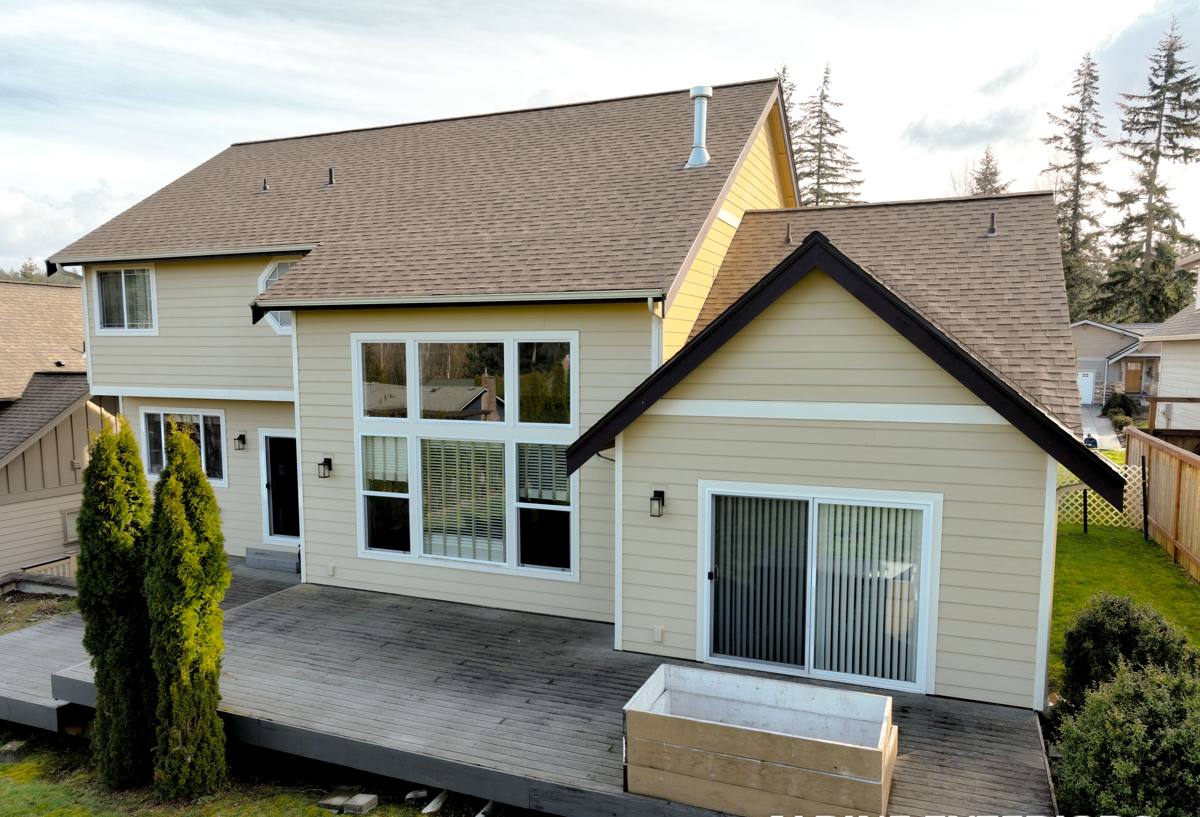
Architectural shingles are made by laminating two or more layers of asphalt together, then cutting them in an irregular, staggered pattern. That extra layer and irregular cut is what gives them the thicker, dimensional look that mimics wood shake or slate from a distance. They're heavier — usually 300 to 450 pounds per square depending on the product line — and the added mass and lamination is exactly what improves wind and impact performance.
The visual difference matters to a lot of homeowners, but in a hurricane-exposed market like ours, the performance difference matters more.
Wind Performance: Why This Is the First Question in Pinellas County
St. Petersburg roofs deal with a wind load that most of the country doesn't have to think about. Florida Building Code sets minimum wind-resistance standards for roofing materials, and in coastal Pinellas County those requirements are taken seriously by inspectors and insurers alike. Here's the practical difference:
- 3-tab shingles are typically rated for wind resistance around 60-70 mph in standard product lines, with some rated higher. Because each tab is only secured along its own strip, a 3-tab roof has more individual edges and seams that wind can get underneath.
- Architectural shingles commonly carry wind ratings of 110-130 mph, and some hurricane-rated lines go higher. The laminated construction and larger nailing surface give the wind less to grab onto.
Neither shingle is "hurricane-proof" — no shingle is — but the gap in wind rating is real, and it's backed by the manufacturer's own testing data, not marketing language. If you've watched wind peel shingles off a roof during a tropical storm, it's very often the lighter-gauge product that goes first, especially at the edges, ridges, and hips where uplift pressure concentrates.
UV and Heat: The Other Half of the Florida Problem
Wind gets the headlines, but year-round UV exposure is the slower, quieter thing that ages a roof in this climate. St. Petersburg sees intense, near-daily sun exposure for most of the year, and that constant UV load breaks down the asphalt binders in shingles over time, making them brittle.
The thicker laminate construction of architectural shingles gives them more material to absorb that degradation before it reaches the point of granule loss and cracking. 3-tab shingles, being thinner, tend to show UV aging — curling tabs, granule loss, brittleness — sooner. That doesn't mean a 3-tab roof won't make it to its expected lifespan; it means the margin for error is smaller in a market with this much sun.
Salt Air and Wind-Driven Rain
Being close to the Gulf and Tampa Bay means salt air is a constant, low-grade stress on every exterior surface of a home, roofing included. Salt exposure itself doesn't degrade asphalt shingles the way it corrodes metal fasteners and flashing, but it does accelerate wear on exposed metal components — nails, drip edge, vent flashing — which are part of every roofing system regardless of shingle type. This is why proper flashing material and fastener selection matter as much as the shingle choice itself, and it's worth asking any contractor what flashing and fastener spec they're using on a coastal property.
Wind-driven rain is a separate issue: during tropical systems, rain doesn't just fall — it gets pushed sideways and upward under roof edges and around penetrations. This is where shingle weight and nailing pattern come into play again. A heavier, better-secured architectural shingle with a wider nailing zone gives wind-driven rain fewer opportunities to work its way underneath.
Cost Comparison
Material and labor pricing varies by supplier, roof complexity, and current market conditions, but the relative cost relationship between the two products is consistent. Expect architectural shingles to run meaningfully higher than 3-tab, largely due to the extra material and heavier freight weight — but the gap is usually smaller than homeowners expect once labor and tear-off costs are factored in, since labor is the same regardless of shingle type.
| Factor | 3-Tab Shingles | Architectural Shingles |
|---|---|---|
| Typical wind rating | ~60-70 mph (some higher) | ~110-130 mph |
| Weight per square | 200-250 lbs | 300-450 lbs |
| Typical manufacturer warranty | 20-25 years | 30 years to lifetime, limited |
| Relative material cost | Lower | Higher |
| Appearance | Flat, uniform | Dimensional, textured |
| UV degradation rate | Faster | Slower |
Warranty length matters, but it's only meaningful if it's backed by proper installation — most manufacturer warranties have wind-speed exclusions and installation requirements that can void coverage if fasteners, nailing pattern, or underlayment weren't done to spec.
Insurance and Resale Considerations
Two practical factors that aren't about the shingle itself but affect the decision:
Insurance
Many Florida insurers now factor roof type, age, and wind rating into premium calculations and underwriting decisions. A higher wind-rated architectural roof can, in some cases, translate into better terms — but this varies by carrier and policy, so it's worth confirming directly with your insurance agent rather than assuming.
Resale
Architectural shingles tend to be viewed favorably by buyers and appraisers because of their appearance and the fact that they're now the more common standard in new construction and re-roofs across the region. A 3-tab roof isn't a red flag on its own, but in a competitive resale market it's one more small factor a buyer's inspector may note.
Who Should Consider 3-Tab Shingles
3-tab still makes sense in certain situations:
- Budget is the primary constraint and the roof is a straightforward, lower-slope structure
- The building is a detached structure, shed, or outbuilding where appearance and longevity are secondary
- A rental or investment property where the owner wants a code-compliant, cost-effective roof rather than a premium one
We'll install a 3-tab roof correctly and to code when that's the right call for the budget and the structure — it's a legitimate product, just not the one we'd default to on a primary residence in this wind zone.
Who Should Consider Architectural Shingles
- Primary residences, especially anything close to the water or in an area with a history of storm exposure
- Homeowners planning to stay long-term who want to minimize maintenance and re-roofing frequency
- Anyone factoring insurance premiums or resale value into the decision
- Homes where the roof is highly visible from the street and curb appeal matters
A Quick Decision Checklist
- How long do you plan to stay in the home?
- Is the roof on a primary residence or a secondary structure?
- Have you confirmed with your insurance agent whether shingle wind rating affects your premium?
- Is budget the deciding factor, or is long-term value more important?
- How exposed is the roof to prevailing wind and salt air (waterfront vs. inland)?
- What does the manufacturer's warranty actually require for coverage to stay valid?
Our Honest Take
For most homes we work on in St. Petersburg and across Pinellas County, we lean toward architectural shingles as the better long-term value given what this climate puts a roof through — the wind, the sun, the salt air, and the rain that doesn't fall straight down. That's not us upselling; it's what holds up better in the conditions this area actually sees. But 3-tab isn't a bad product, and there are legitimate situations where it's the right call. We'd rather walk you through the real trade-offs than push one product because it's what we happen to have on the truck.
If you'd like a straight answer on which option fits your roof, your budget, and your timeline, we're happy to take a look and give you a free, no-pressure estimate — no obligation, just an honest assessment.