 St. Petersburg Roofing
 Why Pinellas Park Siding Has to Work Harder Than Siding Almost Anywhere Else
Pinellas Park sits inland enough to avoid direct beachfront exposure, but it's still squarely inside the Tampa Bay air mass — which means the same punishing combination that wears down siding across Pinellas County hits homes here too. Salt-laden air drifts in off both the Gulf and the Bay, UV exposure runs close to year-round instead of seasonal, afternoon thunderstorms drive rain sideways into wall assemblies, and any given hurricane season can put sustained tropical-storm or hurricane-force wind loads on exterior walls. None of that is exotic knowledge to anyone who's lived here a while — it's just the baseline. But it's a baseline a lot of siding products, and a lot of siding installations, were never built to handle.
Vinyl softens and warps under sustained heat and UV. Wood-based and engineered-wood products absorb moisture at cut edges and swell, and once that starts, paint film fails and rot follows. Even products that hold up fine in drier, milder climates get tested differently here, where humidity rarely drops enough to let a wall assembly fully dry out between rain events. Siding for a Pinellas Park home isn't a cosmetic decision — it's a weatherproofing system, and it needs to be treated that way from the material choice through the flashing details.
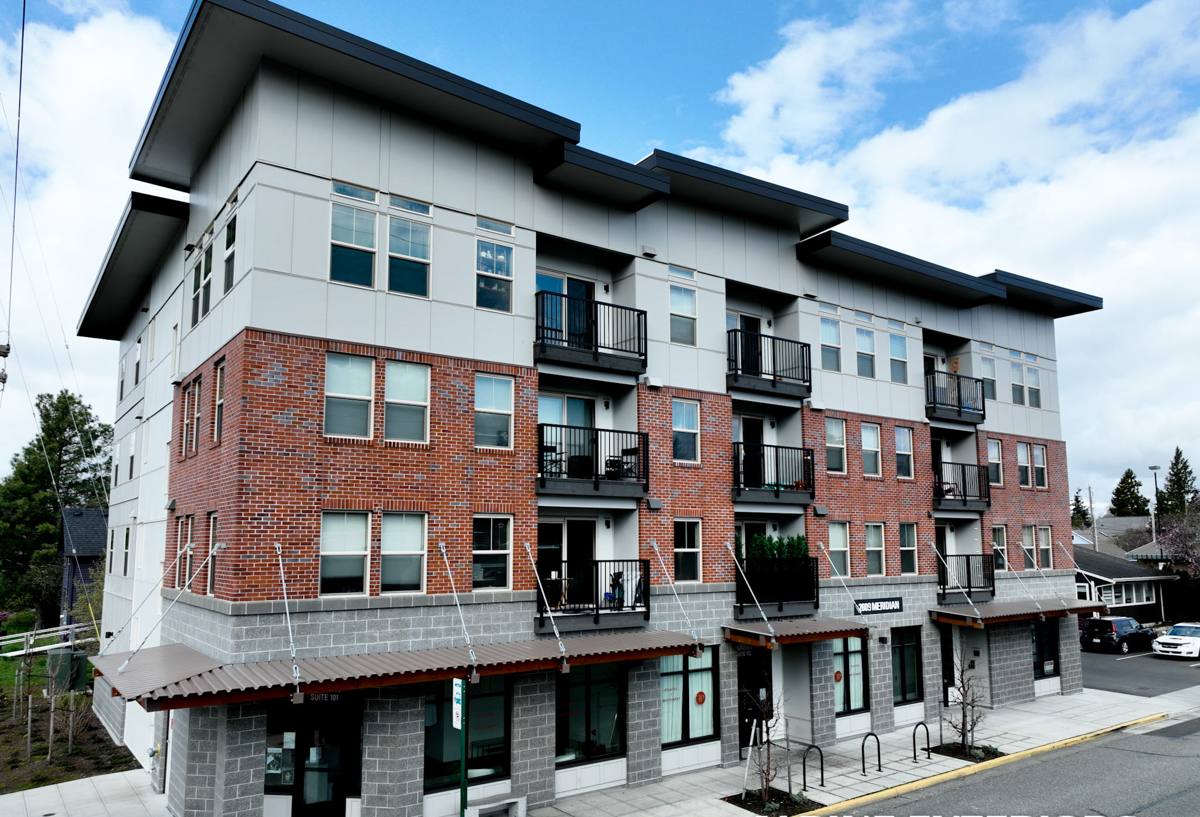
Why We Install Only James Hardie Fiber Cement
We don't install vinyl, LP SmartSide, primed wood, cedar, or other fiber cement brands. That's a deliberate standard, not a lack of options. James Hardie fiber cement is non-combustible, doesn't support rot or insect damage the way wood-based products can, and holds its factory-applied ColorPlus finish far longer than field-painted materials — which matters enormously in a climate where UV degrades paint film fast. Hardie also engineers specific product lines for humid, coastal-adjacent climates like ours (their HZ5 formulation is built for exactly this kind of moisture and heat exposure), and backs installations with a strong, transferable limited warranty when the work is done to their specification.
That last part — installed to spec — is the whole ballgame. Fiber cement is a durable, forgiving material in the wall, but it's unforgiving of shortcuts during installation. A rushed or undertrained crew can turn a 30-plus-year product into a callback within a few years. We'll walk through what "to spec" actually means below, because it's the difference between siding that shrugs off a Gulf Coast summer and siding that fails quietly behind its own paint.
What This Means for Pinellas Park Specifically
Homes in this part of Pinellas County see a mix of eras and original siding types — some original wood or aluminum, some builder-grade vinyl from the '80s and '90s, some already-failing composite from prior remodels. Whatever's currently on the wall, the replacement decision comes down to the same question every time: can this material and this installation survive real Gulf Coast weather for decades, or is it going to need attention again in five to ten years? James Hardie, installed correctly, is our answer to that question.
What a Correct James Hardie Installation Actually Involves
The siding panel itself is only part of the system. Most siding failures we get called to inspect — regardless of brand — trace back to what's happening behind the panel, not the panel itself. A correct installation includes:
- A weather-resistive barrier installed and lapped correctly, with no gaps at seams or penetrations
- Proper flashing at every window, door, and roofline intersection — this is where wind-driven rain finds its way in if it's skipped
- Correct fastener type, spacing, and depth per Hardie's published installation specifications, not generic siding nailing patterns
- Manufacturer-specified clearances between the bottom of the siding and grade, roofing, decks, and patios, so water can't wick into the panel
- Caulked and sealed joints at trim and butt joints, using products compatible with ColorPlus finishes
- Proper panel overlap and gapping to allow for the material's normal expansion and contraction
Skip any one of these and you can still end up with siding that looks right on install day and starts showing problems — staining, soft spots, paint failure at seams — within a few years. This is exactly why we don't treat installation as a generic trade skill interchangeable across siding brands; a crew that installs Hardie regularly builds habits around Hardie's specific tolerances.
Tear-Off vs. Install Over Existing Siding
In most cases, especially on homes with existing wood, vinyl, or aluminum siding, a full tear-off to the sheathing is the right call. It lets us inspect and address any hidden moisture damage, install a proper weather barrier from scratch, and avoid trapping old material — and any moisture behind it — under new siding. Installing over existing siding is sometimes viable on sound, flat substrates, but it's the exception, not the default, and we won't recommend it just to save a step if it compromises the wall assembly underneath.
James Hardie Product Lines We Work With
Hardie makes several distinct product profiles, and the right one for a given home depends on the architectural style, the specific elevation, and what's being matched or replaced.
| Product | Typical Use | Notes |
|---|---|---|
| HardiePlank lap siding | Full-wall horizontal siding, most common residential application | Available in multiple textures (smooth, cedarmill) and exposure widths |
| HardieShingle | Accent gables, dormers, full shingle-style elevations | Individual or panelized shingle look without wood's moisture issues |
| HardiePanel | Vertical board-and-batten or modern flat-panel looks | Common on porches, accent walls, and contemporary elevations |
| HardieTrim | Corner boards, window and door trim, fascia | Matched finish system so trim and field siding age together |
All of these are available with Hardie's ColorPlus factory finish — a baked-on finish applied under controlled conditions, which outperforms field-applied paint for color retention and adhesion, particularly under sustained Florida UV.
Signs a Pinellas Park Home's Current Siding Needs Attention
Some warning signs are obvious; others are easy to write off as cosmetic until they've turned into structural repairs. Worth checking for:
- Soft or spongy spots when pressed, especially near the bottom courses or below windows
- Visible warping, buckling, or panels that have pulled away from the wall
- Paint that's peeling, bubbling, or chalking heavily rather than just fading
- Cracks at butt joints or corners, particularly after storm seasons
- Staining or discoloration that tracks with where flashing or trim meets the siding
- Visible gaps or daylight at trim boards and corner boards
Any one of these on its own might be minor. Several together, or any sign of soft/spongy material, usually means moisture has already gotten behind the siding — which is worth a look before it's scheduled around convenience rather than necessity.
What Drives Cost on a Siding Project
We won't quote a number without seeing the house, but the honest cost drivers on most Pinellas Park siding jobs are the same handful of factors:
| Factor | Why It Matters |
|---|---|
| Tear-off vs. overlay | Full removal costs more upfront but avoids hidden problems and future callbacks |
| Existing wall condition | Rotted sheathing or hidden moisture damage found during tear-off adds repair scope |
| Home size and elevation complexity | Multiple gables, dormers, and cutouts take more labor per square foot than a simple rectangular wall |
| Product mix | Combining lap siding with shingle accents or panel details costs more than a single uniform product |
| Trim and detail work | Full trim replacement vs. reusing sound existing trim changes both material and labor |
| Color and finish selection | Standard ColorPlus colors vs. custom or premium finish options |
Broadly, fiber cement siding costs more upfront than vinyl and less than most premium wood or engineered-wood systems — but it's worth evaluating against total cost over the life of the siding, not just the install invoice, since it typically needs far less maintenance and repainting over time than the alternatives.
Our Process on a Pinellas Park Siding Job
The work follows a consistent sequence regardless of the home's specifics:
- On-site assessment — we look at the existing siding, wall condition, and any moisture or rot indicators before quoting anything
- Product and color selection — matched to the home's style and any HOA or neighborhood guidelines that apply
- Permitting — pulled and handled through Pinellas County/local jurisdiction as required for the scope of work
- Tear-off and substrate inspection — removing existing siding and addressing any sheathing or framing issues found underneath
- Weather barrier and flashing installation — the step that determines whether the wall stays dry for the next few decades
- Siding installation to Hardie specification — correct fastening, clearances, and joint treatment throughout
- Trim, caulking, and final finish — sealing and detailing to a clean, uniform result
- Cleanup and walkthrough — job site cleared, work reviewed with the homeowner before we call it done
Why It Matters That We Already Work in Pinellas Park
A crew that's worked houses throughout Pinellas Park and the greater St. Petersburg area already understands the local permitting process, the general wind-load and building code expectations for this part of Pinellas County, and the specific weather stresses homes here face year after year. That familiarity shortens the guesswork on things like flashing details around common local roof-to-wall configurations and helps set realistic expectations for scheduling around Florida's rainy season. It's not a substitute for doing the work correctly — but it does mean fewer surprises and a smoother project from estimate to final walkthrough.
If your Pinellas Park home's siding is showing its age, or you're planning ahead of the next storm season rather than reacting to damage after one, we're glad to take a look. Reach out for a free, no-pressure estimate using the form below — we'll walk the exterior with you, point out anything worth knowing, and give you a straight answer on what the job actually needs.