 St. Petersburg Roofing
 Why St. Pete Beach Siding Wears Out Faster Than Inland Homes
St. Pete Beach sits on a barrier island, which means every exterior surface on your home is dealing with conditions that homes ten or fifteen miles inland simply don't face. Salt-laden air moves off the Gulf and settles on siding, trim, and fasteners around the clock. Add Pinellas County's intense year-round UV load, wind-driven rain that gets pushed sideways during storms, and the tropical humidity that never really lets a wall assembly dry out completely, and you have a climate that finds every weakness in a siding system within a few years, not a few decades.
This isn't a scare tactic — it's just the physics of building on a barrier island. Siding here has to resist moisture intrusion, hold paint and color under relentless sun, shrug off wind-driven debris, and stand up to salt corrosion on fasteners and trim. A siding replacement done for St. Pete Beach needs to be specified and installed differently than the same job done in, say, Tampa's inland suburbs.
Signs Your St. Pete Beach Home Needs Siding Replacement
Most homeowners don't wake up one day and decide to replace siding — they notice small things that add up. Here's what we look for during an evaluation, and what you should keep an eye on yourself:
- Soft, spongy, or crumbling spots when you press on the siding, especially near the bottom courses and around windows
- Paint that's peeling, bubbling, or chalking heavily even after a repaint a few years ago
- Visible warping, buckling, or gaps where boards have pulled away from the wall
- Rust streaking from fasteners, or corroded trim and flashing
- Persistent mildew or algae staining that comes back quickly after cleaning
- Interior signs — musty smells, peeling interior paint, or soft drywall near exterior walls, which often point to moisture getting in behind the siding
- Visible daylight or drafts around siding-to-trim transitions
Any one of these can be a localized repair. Several of them together, especially on a home that's twenty-plus years old or has never been re-sided, usually means the whole system has reached the end of its useful life and patching won't solve the underlying moisture problem.
Why We Only Install James Hardie Fiber Cement
We made a decision a long time ago to install one siding system on every home we work on: James Hardie fiber cement. We don't install vinyl, LP SmartSide, Cemplank, Allura, or primed wood siding like spruce or cedar, and on a barrier island like St. Pete Beach that decision matters even more than it does inland.
Vinyl softens, warps, and can crack in high heat and gets brittle enough in UV exposure to fail early — and on a home exposed to Gulf sun for ten-plus hours a day in summer, that clock runs faster. Engineered wood products like LP SmartSide perform well when the wall assembly stays dry, but they're wood-based, which means sustained coastal humidity and any moisture intrusion put them at real risk of swelling and rot at the edges. Cedar and primed spruce require ongoing maintenance — repainting, resealing, checking for insect damage — that most homeowners don't want to keep up with on a beach property, especially a second home or rental.
James Hardie fiber cement is cement, sand, and cellulose fiber. It doesn't absorb water the way wood-based products do, it's non-combustible, and it holds its factory-applied ColorPlus finish far longer under UV exposure than field-applied paint on other materials. Hardie also engineers specific product lines for high-humidity, high-moisture climates — its HZ5 formulation is built for exactly the kind of coastal exposure St. Pete Beach sees. That's the whole reason we standardized on it: it's the product that actually holds up to the environment we're installing it in.
What This Means for Your Home
Choosing Hardie isn't just picking a brand — it changes what you can expect from the finished job. You get a factory finish that resists fading and chalking far longer than field paint, a material that won't rot or delaminate from moisture, and a transferable warranty that has real value if you sell the home. On a barrier island where salt air and sun are constant, those differences show up in year five and year ten, not just on install day.
What a Correct Siding Replacement Actually Involves
Siding is only as good as what's underneath it. A lot of failed siding jobs — regardless of the product used — fail because of what got skipped during installation, not because the material itself was bad. On a coastal property, these details aren't optional:
Tear-Off and Substrate Inspection
We remove the old siding down to the sheathing and inspect for rot, soft spots, and existing moisture damage before anything new goes up. Covering damaged sheathing with new siding just traps the problem.
Weather-Resistive Barrier
A properly lapped weather-resistive barrier (house wrap) goes over the sheathing before siding installation. This is the layer that actually keeps wind-driven rain from reaching your wall framing if any water gets past the siding itself — critical on a barrier island where storms push rain sideways, not straight down.
Flashing and Water Management
Windows, doors, and any wall penetrations need correct flashing so water is directed out and away from the wall assembly, not behind the siding. This is the single most common place we find corner-cutting on older installs, and it's the reason many "siding failures" are actually flashing failures.
Fastening and Clearances
Hardie has specific fastening patterns and manufacturer-specified clearances from grade, roofing, and decking that have to be followed to keep the warranty valid and keep water from wicking up into the board edges — this matters even more on beach lots where grading and drainage can be tighter around the home.
Caulking and Sealing
Joints, seams, and trim transitions get sealed with a quality sealant rated for the material and the exposure. On the coast, we pay close attention to any place two materials meet, since that's where salt air and moisture find their way in first.
Our Process for a St. Pete Beach Siding Replacement
| Step | What Happens |
|---|---|
| 1. On-site evaluation | We walk the exterior, check for moisture damage, and identify problem areas before quoting anything |
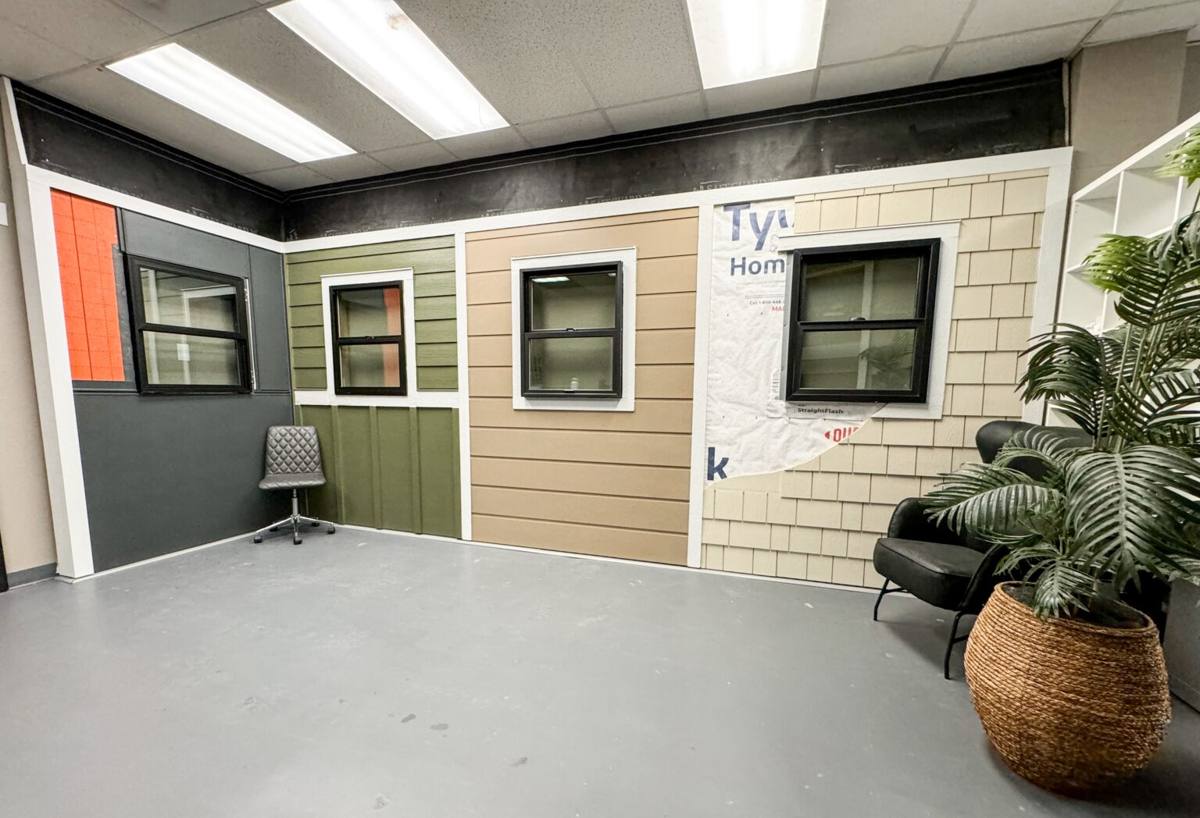
| 2. Scope and product selection | We discuss which Hardie plank profile, texture, and ColorPlus color fits the home and your goals |
| 3. Tear-off | Old siding comes off and sheathing is inspected and repaired as needed |
| 4. Weather barrier and flashing | House wrap and flashing installed correctly around every window, door, and penetration |
| 5. Hardie installation | Installed to manufacturer fastening and clearance specs to keep the warranty intact |
| 6. Trim, caulking, and final inspection | Trim work finished, seams sealed, and a final walkthrough with you before we call it done |
Comparing Siding Options for a Barrier Island Home
| Material | How It Handles Salt Air & Humidity | UV/Sun Durability | Maintenance |
|---|---|---|---|
| James Hardie fiber cement | Doesn't absorb moisture; engineered HZ5 line for humid coastal climates | Factory ColorPlus finish resists fading | Low — occasional wash, no repainting for many years |
| Vinyl | Doesn't rot, but can warp/crack under sustained heat and impact | Can fade and become brittle over time | Low, but damaged panels often need full replacement, not patching |
| LP SmartSide (engineered wood) | Wood-based — vulnerable to swelling/rot if moisture gets behind it | Requires factory or field finish maintenance | Moderate — depends on keeping the wall assembly consistently dry |
| Cedar/primed spruce | Natural wood — needs sealing/maintenance to resist moisture and insects | Field-applied finish fades and needs recoating | High — ongoing painting, sealing, inspection |
This isn't about any of these products being poorly made — it's about what makes sense to put on a home exposed to Gulf salt air and sun year-round. We chose the one column that lines up with that reality.
Why Hiring a Crew That Already Works St. Pete Beach Matters
Barrier island jobs aren't the same as inland jobs, and it shows up in ways that aren't always obvious until something goes wrong. Wind design values on coastal Pinellas County properties are higher than a few miles inland, which affects fastening schedules and product requirements. Salt exposure means fastener corrosion resistance matters more here than it does further from the water. Access and staging can be tighter on beach lots, and some St. Pete Beach properties fall under coastal construction control line rules or HOA/community exterior guidelines that affect what can go up and how.
A crew that regularly works this specific area already knows these variables going in — what fastening and clearance specs the coastal exposure calls for, how local permitting and inspection typically goes, and what tends to fail first on beach homes so they can build around it. That local pattern recognition is worth more than it sounds like on paper; it's the difference between a siding job that's fine on day one and one that's still fine in year twelve.
What to Ask Before You Hire Anyone for This Job
- Are you a certified James Hardie installer, and do you follow their published fastening and clearance specs?
- Will you inspect and repair sheathing before new siding goes up, not just cover what's there?
- What weather-resistive barrier and flashing details will you use around windows and doors?
- Do you have experience with barrier island or coastal Pinellas County properties specifically?
- What does the manufacturer warranty cover, and does it depend on installation being done to spec?
- Can you walk me through your process step by step before work starts?
If a contractor can't answer these clearly, that's worth noticing before you sign anything.
Get a Straight Answer About Your Siding
If your St. Pete Beach home is showing signs of siding wear — soft spots, peeling paint, gaps, or just age — it's worth getting an honest, no-pressure look before deciding what to do next. We'll tell you plainly whether you're looking at a repair or a full replacement, walk you through James Hardie's product lines and colors, and give you a clear scope with no guesswork. Fill out the form below for a free estimate.