 St. Petersburg Roofing
 Why Decks Fail Faster on St. Pete Beach
St. Pete Beach sits right on the barrier island, which means every deck out here is dealing with a harsher environment than a deck ten miles inland in St. Petersburg proper. Salt-laden air drifts off the Gulf and settles into fasteners, joist hangers, and any exposed metal, working corrosion into places you can't see until a board starts to feel spongy underfoot. Add in the intensity of Florida's year-round UV and afternoon wind-driven rain, and you have a combination that ages wood and even some composite products faster than the manufacturer's marketing tends to suggest.
None of this means a deck on St. Pete Beach is doomed to a short life. It means the build has to account for the environment from the start — the fasteners, the framing details, the drainage, and the material choice all matter more here than they would in a drier, inland climate. A deck that was built to a generic spec, without those barrier-island realities in mind, is usually the one we get called out to look at.
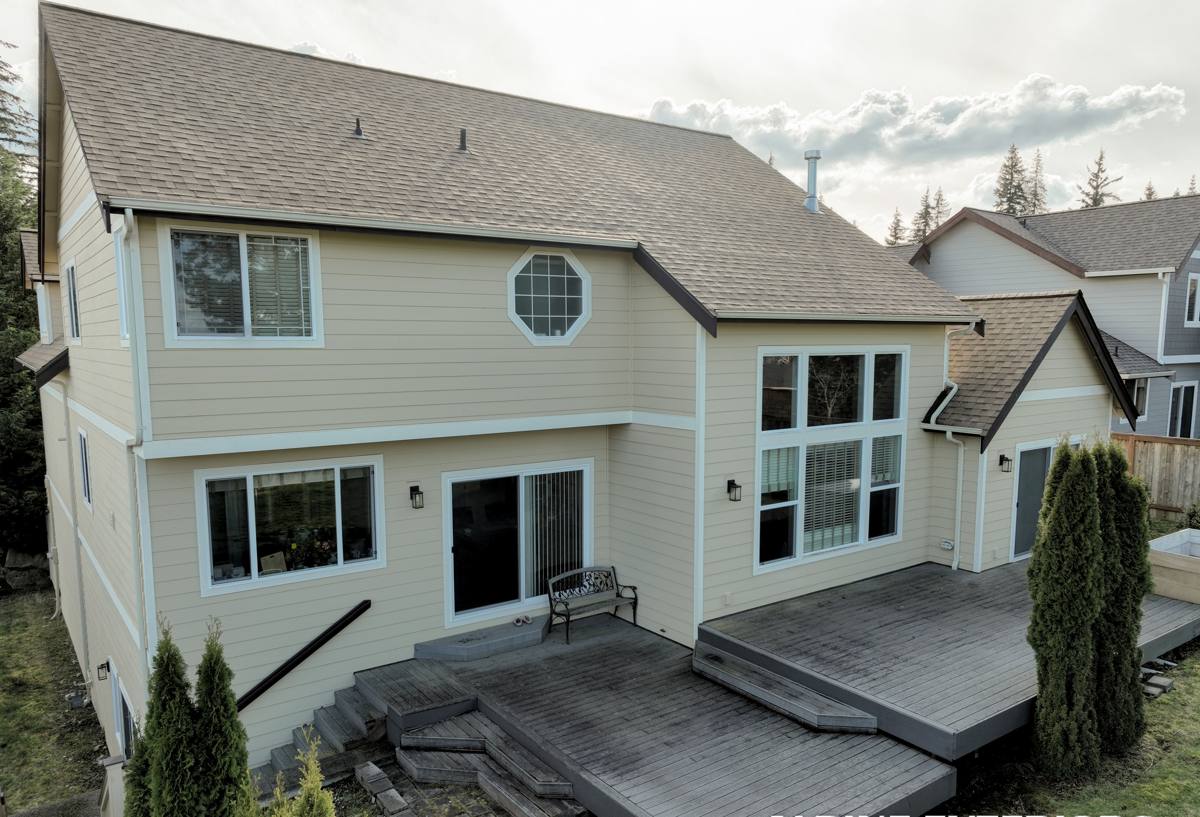
Signs a Repair Won't Cut It Anymore
Homeowners often ask whether a few rotten boards can just be swapped out. Sometimes yes — but there are signs that point to a full replacement being the more honest recommendation, not just the more profitable one.
- Soft, spongy, or bouncy sections in the decking or when you walk near the ledger board where the deck meets the house
- Visible rust staining bleeding out around fastener heads or joist hangers
- Cracking or splitting concentrated at board ends, which usually means moisture has been sitting there repeatedly
- A ledger board that's pulling away from the house, or gaps opening up at that connection
- Support posts or footings that have shifted, settled, or show cracking at the base
- A deck that's more than 15-20 years old and was never rebuilt, even if the surface boards look okay
The framing underneath is the part that actually determines whether a deck is safe. Surface boards can look fine while the joists and ledger connection underneath have quietly been losing integrity for years. That's why any honest assessment includes getting underneath the deck, not just walking across the top.
Choosing the Right Decking Material for a Barrier Island Home
There's no single "best" decking material — there's a best material for your budget, your maintenance appetite, and how close you are to open salt water. Here's how the common options actually compare in this environment.
| Material | How It Handles Salt Air & UV | Maintenance | Typical Lifespan Here |
|---|---|---|---|
| Pressure-treated wood | Needs regular sealing to resist moisture and graying; framing-grade PT holds up better than surface boards | Annual cleaning and re-sealing recommended | 10-15 years for decking, longer for framing if properly sealed |
| Composite decking | Resists rot and insects well; quality matters — cheaper composites can fade or swell at cut ends if not capped and sealed properly | Periodic washing, no sealing needed | 20-25+ years depending on product quality |
| PVC/cellular decking | Fully synthetic, doesn't absorb moisture, handles salt exposure well | Low — occasional washing | 25+ years |
| Tropical hardwoods (e.g., ipe) | Naturally dense and rot-resistant, but requires disciplined maintenance to prevent graying and checking in intense sun | Oiling every 1-2 years | 20-25+ years if maintained |
Where we push back is on framing material. Whatever decking surface you choose, we build the structure underneath with fasteners and hardware rated for coastal, high-corrosion environments. Using standard interior-grade fasteners on a St. Pete Beach deck is a shortcut that shows up as rust streaks and loosened connections within a few years — it's one of the most common corners we see cut on decks we're asked to replace.
What a Correct Deck Replacement Actually Involves
It Starts Below the Surface
A real replacement isn't just pulling up old boards and screwing down new ones. It starts with the substructure: footings, posts, beams, joists, and the ledger board connection to the house. On a barrier island property, we're checking footing depth and condition carefully, since soil conditions and past storm exposure can affect how well older footings have held up.
The Ledger Connection Deserves Extra Attention
The ledger board — where the deck attaches to the house — is the single most common point of structural failure on decks nationally, and salt air corrosion on the flashing and fasteners at that joint makes it even more important here. Proper flashing that keeps water from getting trapped between the ledger and the house band board is not optional; it's the difference between a deck that lasts and one that rots from the inside out.
Fasteners and Hardware
Every joist hanger, bolt, and screw should be rated for coastal or ACQ-treated lumber compatibility (standard galvanized hardware corrodes quickly next to modern treated lumber chemicals, and even faster in salt air). We use hardware and fasteners matched to both the treated lumber and the coastal exposure — not just whatever is cheapest at the yard.
Drainage and Ventilation
Water needs somewhere to go. Proper board spacing, joist flashing tape, and clearance underneath the deck all matter for keeping wood-framed structures from sitting in trapped moisture, which is a much bigger problem here than in a dry inland climate.
Permits and Wind Requirements
Deck replacements in St. Pete Beach and throughout Pinellas County typically require a permit, and the structural requirements reflect Florida's wind load standards for coastal construction. Depending on the property's exact location and flood zone designation, there may be additional considerations for elevation or structural attachment. We handle the permitting process as part of the job rather than leaving it for the homeowner to sort out, and we build to the load requirements that apply to the property's actual zone — not a generic inland spec.
Our Process for a St. Pete Beach Deck Replacement
- On-site assessment. We inspect the existing deck from the top down and, critically, from underneath — checking the ledger, footings, and framing condition, not just the visible boards.
- Honest scope and estimate. We tell you plainly whether you need a full rebuild, a partial structural repair with new decking, or whether the existing structure is sound enough to resurface. We don't pad the scope.
- Material selection. We walk through the tradeoffs above based on your budget, how exposed the deck is to direct salt spray and sun, and how much upkeep you actually want to do.
- Permitting. We pull the required permit and build to the wind and structural code that applies to your property.
- Tear-out and rebuild. Old decking, and any compromised framing, comes out. We rebuild the substructure first, inspect it, then install the new decking surface.
- Final walkthrough. We go over the finished deck with you, including what maintenance (if any) the material you chose will need going forward.
Keeping Your New Deck Lasting
- Rinse off salt residue periodically, especially after storms with onshore wind
- Keep gutters and downspouts near the deck clear so runoff isn't dumping onto framing
- Re-seal wood decking on the schedule the product calls for — don't stretch it out to save a weekend
- Check under the deck once or twice a year for early rust staining or soft spots
- Trim back landscaping that keeps the underside of the deck shaded and damp longer than it needs to be
What a Deck Replacement Typically Costs
Costs vary a lot based on deck size, framing condition, material choice, and elevation requirements, so we won't quote a number without seeing the property. In general terms, the biggest cost swings come from these factors:
| Cost Factor | Why It Matters |
|---|---|
| Substructure condition | A deck with sound footings and framing costs less than one needing a full rebuild from the ground up |
| Decking material | Pressure-treated wood costs less upfront than composite or PVC, but composite/PVC often costs less over the deck's full life |
| Deck size and layout | Multi-level decks, built-in stairs, and custom railings add labor and material |
| Height and access | Elevated decks or those with limited site access can add to labor time |
| Permit and inspection requirements | Coastal wind-load and flood zone requirements can affect footing depth and hardware specs |
Why It Matters to Hire a Crew That Already Works St. Pete Beach
A contractor who mostly works inland jobs isn't necessarily going to think about corrosion-rated hardware, ledger flashing against salt-laden moisture, or how sun exposure on a west-facing barrier island deck differs from a shaded inland yard. We're a St. Petersburg-based crew that works this coastline regularly, so these aren't afterthoughts we bolt onto a standard spec — they're built into how we scope and price every deck replacement here from the start. We also know the Pinellas County permitting process for this area, which keeps the job moving instead of stalling on paperwork.
If your deck is showing soft spots, rust staining, or is simply old enough that you're wondering whether it's still safe to stand on, we're happy to take a look. We'll give you a straight answer about whether it needs a full replacement or just targeted repair, walk you through material options that make sense for a St. Pete Beach property, and give you a free, no-pressure estimate — just fill out the form below.