 St. Petersburg Roofing
 Deck Repair Built for St. Pete Beach Conditions
A deck on St. Pete Beach lives a harder life than a deck almost anywhere else in the country. It sits a short distance from the Gulf, which means salt-laden air settles on every fastener, hinge, and metal connector day after day. Add in intense year-round UV exposure, wind-driven rain that gets pushed sideways under railings and through board gaps, and the occasional direct hit from hurricane-force wind, and you have a structure that is constantly being tested. Deck repair here is not just cosmetic touch-up work. Done correctly, it is an inspection of the whole structure, a decision about what actually needs to be replaced versus repaired, and a rebuild using fasteners and connectors that can survive the coastal environment they're going back into.
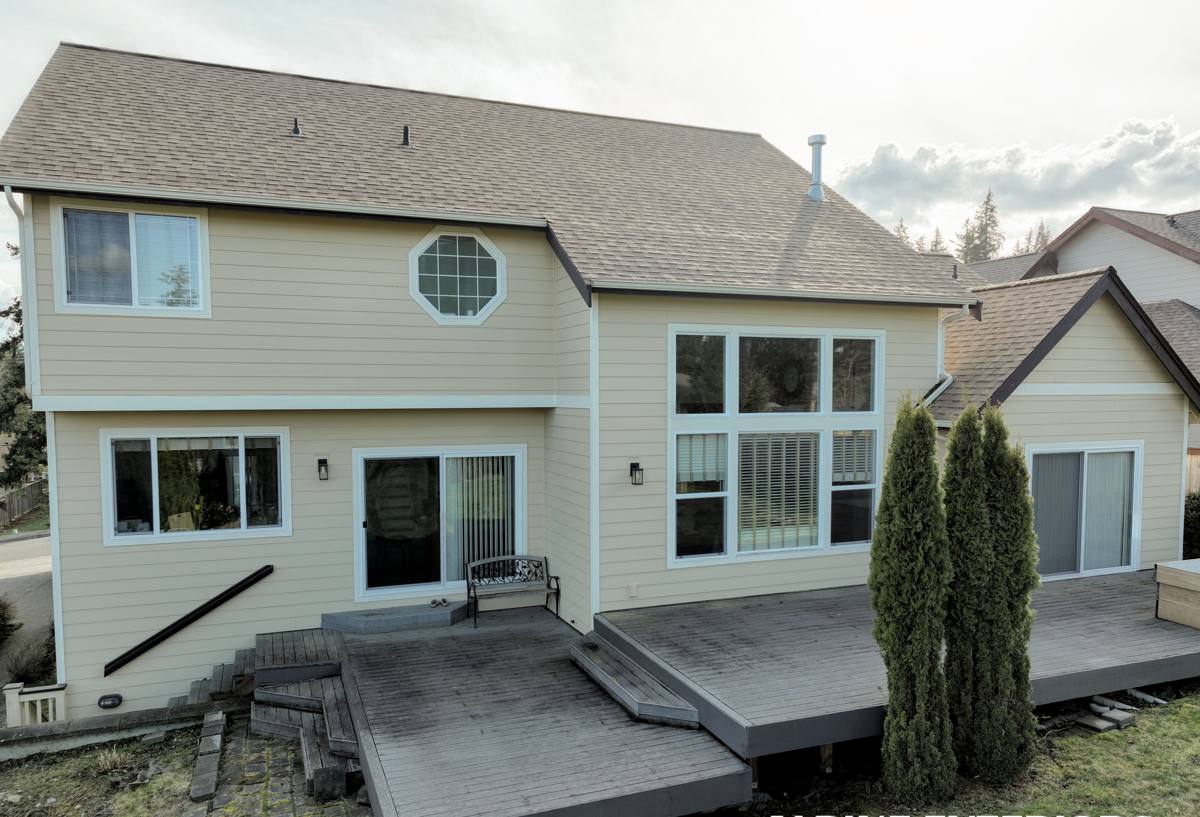
Why St. Pete Beach Decks Wear Out Faster
Salt Air and Corrosion
Salt air accelerates corrosion on anything metal — nails, screws, joist hangers, bolts, and railing hardware. Standard hot-dip galvanized fasteners that hold up fine inland can rust and weaken within a few years this close to the water. Once a fastener corrodes, it loses grip strength long before the wood around it shows obvious damage, which is why a deck can look fine on the surface while its structural connections are quietly failing underneath.
UV and Sun Exposure
Florida sun breaks down the lignin in wood fibers and dries out the natural oils that keep boards flexible. Over time this shows up as graying, splintering, and surface checking (those small cracks that run along the grain). UV also degrades sealants, stains, and the surface layer of composite decking, which is why a deck that never gets refinished ages faster here than the same deck would in a milder climate.
Wind-Driven Rain and Moisture Cycling
Pinellas County gets frequent, heavy rain, and coastal wind pushes that rain into places a calm rain never would — under railings, into end grain, behind ledger boards, and into any gap where two pieces of wood meet. The real damage comes from the cycle: wood gets soaked, then bakes dry in the sun, swells and shrinks, and that repeated movement loosens fasteners and opens joints for more water to get in next time.
Hurricane and High-Wind Stress
Even when a storm doesn't cause visible damage, high wind loads flex a deck structure and can rack railings, loosen ledger connections, or stress fasteners that were already weakened by corrosion. After any named storm or period of sustained high wind, it's worth having connections checked even if nothing looks obviously wrong.
Signs a Deck Needs Repair — Not Just a New Coat of Stain
Homeowners often assume a tired-looking deck just needs to be cleaned and restained. Sometimes that's true. But some warning signs point to problems that a fresh coat of finish will only hide, not fix.
- Soft, spongy, or spring-y feeling boards when you walk across them
- Railings or posts that wiggle or flex when pushed
- Visible rust streaks running down from screw heads or connectors
- Gaps opening up between the deck and the house at the ledger board
- Cracked, split, or splintering boards, especially near fastener locations
- Stairs that feel uneven, bouncy, or have separated from their stringers
- A musty smell or soft, dark wood near ground contact points or under the deck
- Visible daylight or gaps where flashing meets the house at the ledger
Any one of these on its own might be a simple fix. Several at once usually means the underlying structure needs a real evaluation before anything gets patched over.
What a Correct Deck Repair Actually Involves
Structural Inspection First
Before replacing a single board, a proper repair starts underneath the deck — checking joists, beams, posts, and especially the ledger board connection to the house, since that's the single point holding the whole structure to the building. We check for soft or rotted wood, corroded or missing fasteners, and any sign that water has been getting behind the ledger flashing.
Ledger Board and Flashing
The ledger connection is the most safety-critical part of most decks and the most common source of hidden water damage on homes near the Gulf. If flashing has failed or was installed incorrectly, water gets trapped between the ledger and the house siding, rotting both from the inside without much visible warning. Repairing this properly means removing enough material to inspect it, replacing any compromised wood, and installing flashing that actually sheds water away from the structure.
Fasteners and Connectors
Given how fast standard hardware corrodes this close to the coast, repair work should use stainless steel or coated fasteners rated for coastal or salt-air exposure, not whatever fastener happens to be cheapest at the hardware store. The same goes for joist hangers, post bases, and railing brackets — coastal-rated hardware costs more up front but avoids repeating the same repair in a few years.
Decking Boards, Railings, and Stairs
Individual boards get replaced where wood is soft, split, or structurally compromised — matching material and fastening pattern so the repair blends in rather than creating a patchwork look. Railings and stair stringers get the same structural scrutiny as the deck itself, since they take direct wind and impact load and are common failure points during storms.
Refinishing and Sealing
Once structural and fastener issues are resolved, wood decks benefit from a quality sealant or stain rated for UV and moisture exposure. This isn't cosmetic — a good sealant is the wood's main defense against the sun and rain cycle described above, and it needs to be reapplied on a regular schedule in this climate, more often than it would inland.
Repair Considerations by Decking Material
What a repair involves — and how often it needs to happen — depends heavily on what the deck is built from. Here's how the common materials compare for repair purposes in a coastal Florida environment.
| Material | Common Repair Issues Here | Maintenance Needed |
|---|---|---|
| Pressure-treated wood | Splitting, splintering, fastener corrosion, surface graying from UV | Regular cleaning and resealing, typically every 1–3 years in this climate |
| Composite decking | Fading, surface degradation at cut edges, fastener and hidden clip corrosion | Low — periodic cleaning, but repairs to the substructure below still apply |
| Cedar or other natural wood | Faster UV graying, softer wood more prone to moisture damage near ground contact | More frequent sealing than pressure-treated wood |
| Aluminum or PVC railings/framing | Generally resists rot, but fasteners and connection points can still corrode | Low, but connection hardware should still be inspected |
Whatever the surface material, the substructure underneath — joists, beams, posts, and the ledger connection — is almost always framed in pressure-treated lumber and faces the same moisture and fastener concerns regardless of what the walking surface is made of.
Our Deck Repair Process
- Inspection. We look at the deck from the ground up — structure, fasteners, ledger connection, and surface — and identify what's cosmetic versus what's structural.
- Honest scope. We tell you plainly what needs to be repaired now, what can be monitored, and what would be a waste of money to touch yet.
- Repair. We replace compromised structural members, upgrade fasteners and hardware to coastal-rated materials, correct flashing issues, and swap out damaged boards or railing components.
- Finish. For wood decks, we clean, treat, and seal the surface with a UV- and moisture-rated finish appropriate for Gulf Coast exposure.
- Walkthrough. We go over what was done and what to watch for or maintain going forward, since a deck repair here isn't a one-and-done fix — it's part of an ongoing maintenance relationship with the structure.
Repair or Replace? What Actually Drives That Decision
Not every deck problem calls for full replacement, and not every deck is worth continuing to patch. The honest answer usually comes down to a few factors:
| Factor | Leans Toward Repair | Leans Toward Replacement |
|---|---|---|
| Structural framing condition | Solid joists/beams, isolated soft spots | Widespread rot in joists, beams, or posts |
| Ledger board condition | Intact, properly flashed | Rotted, improperly flashed, or failing |
| Age of the deck | Newer deck with isolated damage | Older deck reaching the end of its practical life |
| Extent of visible issues | A handful of boards or fasteners | Damage spread across most of the surface and structure |
We'd rather repair a sound deck than sell you a replacement it doesn't need — and we'd rather tell you plainly when repair is just delaying the inevitable.
Permits and Code Considerations
Deck work in Pinellas County, including St. Pete Beach, may require permitting depending on the scope of the repair, particularly for structural work involving the ledger board, framing, or railings. Florida's building code also sets minimum requirements for railing height, guard spacing, and structural connections, which matter even more here given the wind loads decks are built to withstand. We handle the scope and code questions as part of the repair process so you're not left guessing about what's required.
Why Hire a Crew That Already Works in St. Pete Beach
Deck repair done by someone unfamiliar with barrier island conditions tends to under-spec the hardware and skip the coastal-specific details that actually determine how long a repair lasts. A crew that regularly works St. Pete Beach and the surrounding Pinellas County coastline knows to plan for salt exposure, storm-load railings, and moisture-sensitive ledger connections as standard practice, not an afterthought. That local familiarity is the difference between a repair that holds up for years and one you're calling someone back out for after the next summer storm season.
If your deck is showing any of the wear signs above, or it's simply been a while since anyone looked at the structure underneath it, we're happy to come take a look. We offer free, no-pressure estimates — you'll get a straight assessment of what your deck actually needs, with no obligation to move forward. Use the form below to get started.