 St. Petersburg Roofing
 Why Seminole Siding Takes a Different Kind of Beating
Seminole sits inland from the Gulf but still close enough to catch salt-laden air on a regular breeze, and it gets the same tropical sun, humidity swings, and storm exposure as the rest of Pinellas County. That combination is harder on exterior siding than most homeowners realize. It isn't one problem — it's four working against your siding at the same time: intense year-round UV that breaks down pigments and surface coatings, wind-driven rain that gets pushed sideways into seams and laps during storms, salt air that accelerates corrosion on fasteners and trim, and tropical humidity that keeps wall assemblies damp longer after every rain event than they would stay in a drier climate.
Individually, any one of those is manageable. Together, over years, they expose weak points fast — a poorly lapped seam, a fastener that wasn't set right, a caulk joint that was never meant to be the primary water barrier. On a lot of Seminole homes, especially older ones with original siding, those weak points have already turned into soft spots, bubbling paint, or visible board damage. Replacement done right in this climate isn't just a cosmetic upgrade — it's a chance to correct water management issues that generic siding work often leaves behind.
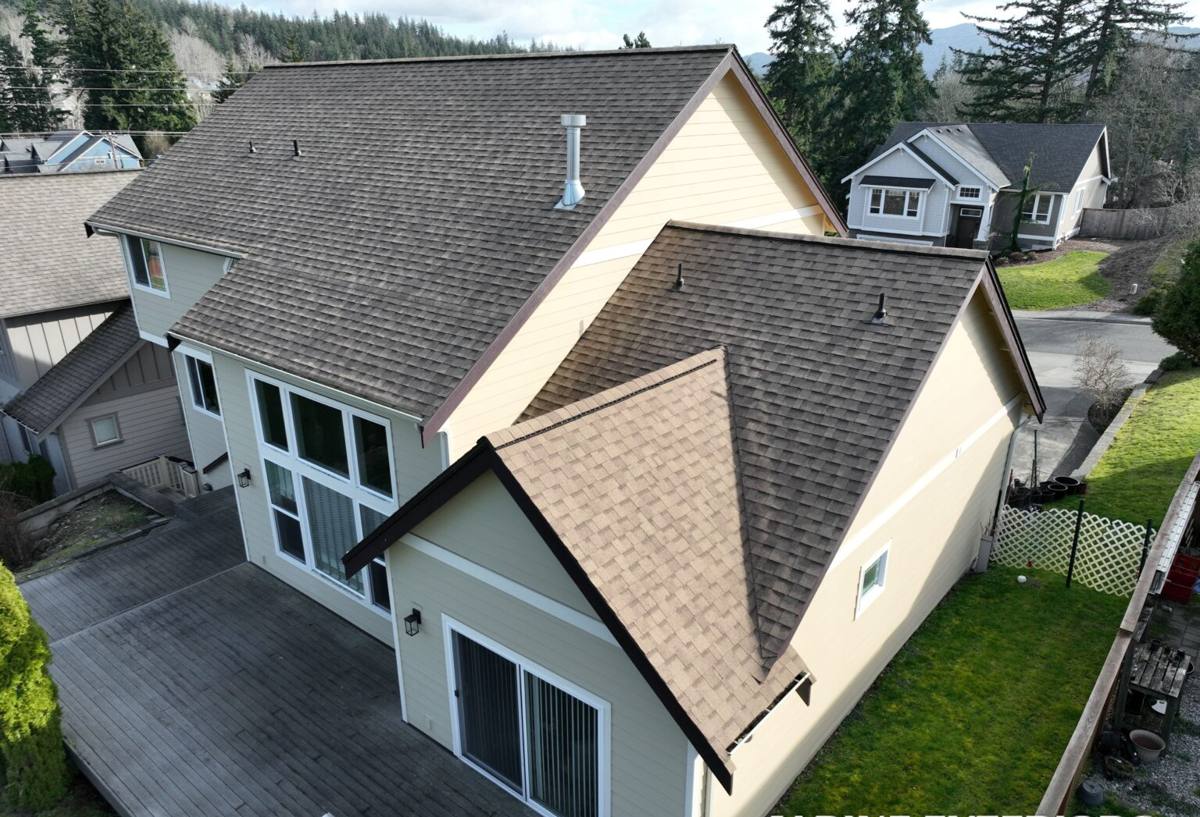
What a Correct Siding Replacement Actually Involves
Siding replacement is not just pulling off old boards and nailing up new ones in the same pattern. In a wind-and-rain climate like ours, the assembly behind the siding matters as much as the siding itself. Skipping steps here is exactly how a brand-new siding job ends up with rot inside the wall five years later.
Tear-Off and Substrate Inspection
Once the old siding comes off, we inspect the sheathing underneath — every wall, not just the ones that looked bad from outside. Water intrusion behind siding is often invisible until the cladding is off. Soft, delaminated, or stained sheathing gets replaced before anything new goes up. Installing new siding over compromised substrate just hides a problem that will resurface.
Weather-Resistant Barrier
A correctly lapped weather-resistant barrier (WRB) goes over the sheathing before any siding. This is the layer that actually stops bulk water that gets past the cladding — the siding itself is the first line of defense, not the last. In wind-driven rain, that second line matters.
Flashing at Every Penetration
Windows, doors, hose bibs, light fixtures, dryer vents — every penetration through the wall plane needs proper flashing integrated with the WRB, not just a bead of caulk around the trim. Caulk fails; correctly lapped flashing doesn't rely on staying intact to keep water out.
Fastening and Fit
Fiber cement siding has specific fastener spacing, type, and placement requirements from the manufacturer. Getting this wrong doesn't just risk callback repairs — it can void the product warranty outright. We follow manufacturer installation instructions to the letter, which is also what keeps the warranty in force if you ever need it.
Finish and Sealant Details
Factory-finished siding still needs correctly sealed cut edges, properly caulked joints where the manufacturer specifies caulk (and left open where it specifies drainage), and touch-up at any field cuts. Sloppy finish work is where a lot of otherwise decent siding jobs start failing early in a humid climate.
Why We Only Install James Hardie Fiber Cement
We made a decision as a company to install one siding system on every home we work on: James Hardie fiber cement. We don't install vinyl, LP SmartSide, Cemplank, Allura, or raw wood siding like primed spruce or cedar. That's not a marketing position — it's a standard we hold to because of what we've seen these products do, and not do, in Florida's climate over time.
Fiber cement is non-combustible, which matters in a state where wildfire risk gets less attention than hurricanes but is still real, and it simply doesn't behave like plastic or wood in extreme heat and UV. James Hardie's factory-applied ColorPlus finish is baked on and warrantied against fading and peeling in a way field-applied paint on wood siding can't match — that matters directly here, where UV exposure is intense essentially all year. Hardie also engineers specific product lines for humid, high-moisture climates like ours (their HZ10 line is built for exactly this kind of exposure), rather than selling one generic product everywhere.
None of this means other products are junk. It means that after weighing moisture behavior, maintenance burden, installation sensitivity, and long-term warranty support, Hardie is what we're willing to put our name behind and warranty our labor on.
Why We Don't Install the Alternatives
| Product | What it does well | Why it's not our standard here |
|---|---|---|
| Vinyl siding | Low upfront cost, quick installation | Softens and warps in extreme heat, can crack in wind-driven debris, not rated for the impact and wind resistance we want on Gulf-facing homes |
| LP SmartSide | Engineered wood, easier to cut than fiber cement | Wood-based core is more vulnerable to prolonged moisture exposure if any seal is compromised; humid climate raises that risk over time |
| Cemplank / Allura | Fiber cement, similar base material to Hardie | Different finish systems and warranty structures; we standardized on one system so our crews are experts in one installation spec, not several |
| Primed spruce / cedar | Natural wood look, real wood texture | Requires ongoing repainting and sealing to survive our humidity and sun; highest long-term maintenance of any option we've considered |
Our Process for Seminole Homeowners
- On-site assessment. We walk the whole exterior, not just the obviously damaged sections, and check for moisture issues, trim condition, and how the current siding was originally installed.
- Written scope and product selection. We go over which James Hardie line and profile fits the home, plus color options from the ColorPlus palette, before any tear-off begins.
- Tear-off and substrate repair. Old siding comes off, sheathing gets inspected, and any damaged wood is replaced — documented and shown to you before it's covered back up.
- Weather barrier and flashing installation. This is the step that gets skipped by crews in a hurry. We don't skip it.
- Hardie installation to manufacturer spec. Correct fastening, spacing, and joint treatment, keeping your product warranty intact.
- Final inspection and walkthrough. We check every elevation with you before calling the job finished.
Cost Factors on a Seminole Siding Replacement
Every home is different, but the same handful of factors drive most of the price difference between jobs. We'll give you real numbers for your home during an on-site estimate rather than a phone quote, because the variables below genuinely change the scope.
| Factor | Why it moves the price |
|---|---|
| Substrate condition | Hidden water damage found during tear-off means additional sheathing or framing repair |
| Home size and wall complexity | More corners, gables, and trim details mean more labor and material waste |
| Siding profile and plank width | Lap siding, board-and-batten, and shingle-style Hardie profiles differ in material and labor cost |
| Existing siding removal | Multiple layers of old material or asbestos-era siding requires extra handling |
| Trim and accessory scope | Fascia, soffits, and window trim replaced at the same time changes overall scope |
Signs a Seminole Home Needs Siding Replacement Now
- Visible cracking, splitting, or buckling in siding boards
- Soft spots when you press on the siding by hand
- Peeling or bubbling paint that keeps coming back after repainting
- Warping or waviness across a wall section, especially after storm season
- Persistent mold, mildew, or dark staining that returns after cleaning
- Rising energy bills alongside noticeably drafty interior walls
- Visible daylight or gaps around window and door trim
If your home shows two or more of these, it's worth having someone look at the wall assembly, not just the surface. Surface repairs on siding that's failing underneath usually buy a season or two at most.
Why Local Experience in Seminole Matters
A crew that works Pinellas County regularly knows how differently the same siding product performs on a home a mile from open water versus one further inland, how wind exposure changes fastening decisions on gable ends, and which trim and flashing details tend to fail first on homes built in this region's older construction eras. That's not something you get from a crew that mostly works siding jobs somewhere with a milder, drier climate and treats a Florida install the same way. Hiring locally also means someone is realistically available for warranty service or a follow-up question after a storm — not a phone number in another state.
Living With Hardie Siding After Installation
One of the practical advantages of switching to fiber cement is how little upkeep it demands compared to what you're replacing. There's no repainting cycle to plan around like there is with wood, and no risk of the material itself warping or cracking from heat the way vinyl can. Routine care is simple: rinse the exterior periodically to clear salt residue and pollen buildup, keep an eye on caulk joints around trim and penetrations, and address any impact damage (a stray branch, a ladder bump) promptly rather than letting a small chip sit exposed. That's a manageable maintenance routine, not a recurring project.
If your Seminole home's siding is showing its age or you're planning ahead of the next storm season, we're happy to walk the property with you and give you a straight assessment — no pressure, no obligation. Request a free estimate below and we'll set up a time to take a look.