 St. Petersburg Roofing
 Windows on Coquina Key Face a Different Set of Problems
Coquina Key sits on the water, which means every window on these homes deals with conditions that inland Pinellas County properties simply don't see as often. Salt-laden air moves across the peninsula constantly, wind-driven rain gets forced sideways during storms, and the sun beats down on glass and frames year-round. None of that is theoretical — it's the reason older windows in this part of St. Petersburg tend to show hazing on the glass, corroded hardware, and swollen or rotted frames well before their expected lifespan is up.
When we install windows in Coquina Key, we're not just swapping old glass for new. We're accounting for a canal-front or near-water lot, a roof and wall assembly that's already absorbed years of coastal exposure, and a storm history that includes real hurricane wind loads. A window that's correctly rated and correctly installed is one of the more effective upgrades a homeowner here can make — for comfort, for energy bills, and for how the house holds up in a named storm.
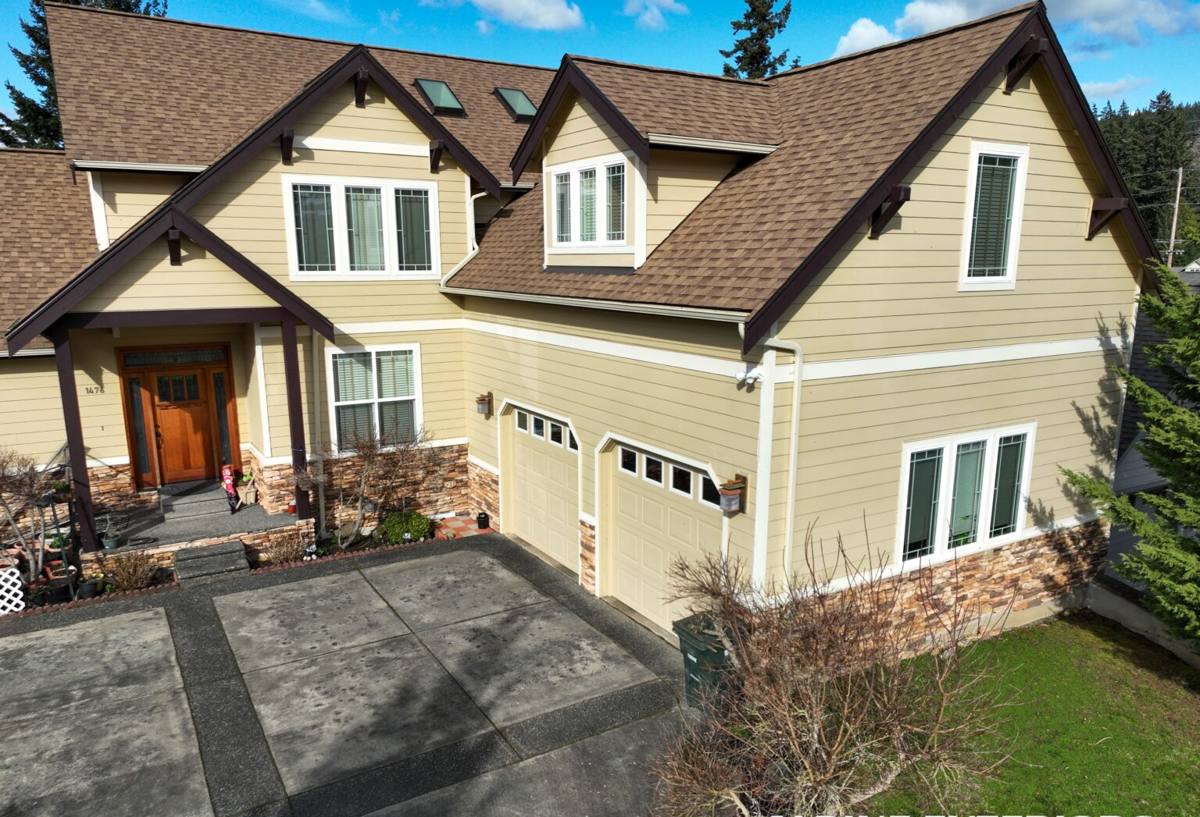
What Coastal Exposure Actually Does to a Window
Salt Air and Corrosion
Salt air attacks metal. Aluminum frames, screws, hinges, and lock hardware near the water corrode faster than the same materials would a few miles inland. Once corrosion sets in around a lock point or hinge, the window stops sealing the way it should, and that's when water starts finding its way in during wind-driven rain.
UV Exposure
Florida sun is hard on everything, but it's particularly hard on window seals, vinyl frames, and low-E coatings. UV breaks down sealants over time, which is often the real reason a window starts fogging between panes — the seal has failed, not the glass itself. Frames that aren't UV-stabilized can also discolor or become brittle faster in direct, year-round exposure.
Wind-Driven Rain
Rain that comes in sideways during a storm tests a window's weep system and flashing details far more than a straight-down rain ever will. A window that's fine in a normal afternoon shower can still let water in during a tropical system if the flashing wasn't lapped correctly or the sill pan wasn't sealed properly at install.
Hurricane Wind Pressure
Beyond water intrusion, wind itself puts real structural load on a window assembly — both positive pressure pushing in and negative pressure pulling out. Coquina Key's proximity to open water means these loads are a genuine design consideration, not just a code checkbox.
What Pinellas County Code Requires
Pinellas County follows the Florida Building Code, and windows installed here need to meet wind-load and impact requirements tied to the property's wind zone and exposure category. In practice, that means:
- Windows must carry a design pressure (DP) rating appropriate to the home's location and height
- Impact-rated glazing or approved shutter protection is required in the applicable wind-borne debris zones
- A permit and inspection are required for window replacement in most cases — this isn't optional paperwork, it's how the work gets verified
- Products must carry a valid Florida Product Approval (FL#) or Miami-Dade NOA showing they've been tested for the conditions they're rated for
We pull permits, schedule inspections, and use products with current Florida Product Approval numbers on every job. If a contractor offers to skip the permit "to save time," that's a red flag — it usually means the work won't hold up to scrutiny if there's ever a claim or a resale inspection.
Our Installation Process
1. On-Site Assessment
We look at each opening individually — not every window on a Coquina Key home needs the same fix. We check the existing frame condition, look for rot or corrosion around the rough opening, and measure for accurate sizing. We also talk through what you actually want out of the upgrade: storm protection, lower energy bills, noise reduction, or all of the above.
2. Product Selection
We walk you through frame material, glass package, and impact rating options based on your specific exposure and budget, without pushing a single "one size fits all" product.
3. Removing the Old Window and Prepping the Opening
This step matters more than most homeowners expect. We remove the old unit carefully, inspect the rough opening for water damage or wood rot, and repair the substrate before anything new goes in. Installing a new window into a compromised opening just locks the underlying problem in behind new trim.
4. Flashing and Sealing
Correct flashing — including a properly integrated sill pan — is what actually keeps wind-driven rain out over the long run. We lap materials so water sheds outward, never toward the interior, and we use sealants rated for sustained UV and salt air exposure.
5. Setting and Fastening
The window gets shimmed level and plumb, then fastened per the manufacturer's installation instructions and the product's approved installation method — this is what the FL Product Approval and your wind rating are actually based on. Skipping or altering the fastening schedule voids the rating even if the window itself is a good product.
6. Interior and Exterior Finish
Trim, caulk lines, and interior finish work are completed cleanly, and the area is left the way we found it.
7. Inspection
We schedule the required Pinellas County inspection so the work is documented and verified — important for insurance, for warranty coverage, and for resale down the road.
Choosing the Right Frame Material for a Water-Adjacent Home
| Frame Material | Salt Air Performance | Maintenance | Typical Trade-Offs |
|---|---|---|---|
| Vinyl (impact-rated) | Good — won't corrode, UV-stabilized options resist fading | Low | Frame color/style options more limited than aluminum |
| Aluminum | Fair — strong but prone to corrosion near water unless properly coated | Moderate — hardware and finish need periodic attention | Slimmer sightlines, but corrosion risk is real this close to the water |
| Fiberglass | Very good — dimensionally stable, resists corrosion and UV degradation | Low | Higher upfront cost than vinyl |
| Wood/Wood-clad | Poor without diligent upkeep — moisture and salt accelerate rot | High | We generally steer waterfront clients away from unclad wood here; the maintenance burden in this exposure is significant |
We don't push any single material as "the only right answer." We'll tell you honestly which option fits your home, your budget, and how much upkeep you're willing to do.
Cost Factors for Coquina Key Window Projects
- Impact rating — impact-rated glass costs more than laminated or shutter-protected standard glass, but eliminates the need to install/remove shutters before every storm
- Frame material — vinyl is typically the most budget-friendly, fiberglass sits higher, aluminum varies by finish and coating quality
- Opening condition — rot or water damage found during removal adds repair time before the new window can go in
- Number of openings — per-window cost usually drops somewhat on larger whole-home projects versus single-window replacements
- Glass package — low-E coatings and tinted or laminated options add cost but improve energy performance and UV protection
- Permitting — permit fees are a fixed cost of doing the job correctly and are included in an honest estimate
We'll give you a broad, honest range once we've actually seen the openings — anyone quoting a firm number over the phone without looking at the house is guessing.
Signs Your Coquina Key Windows Need Attention
- Fogging or haze between panes of double-pane glass (a failed seal, not a cleaning problem)
- Frames that feel soft, are visibly corroded, or don't latch snugly anymore
- Drafts or a noticeable temperature difference near the window when the A/C is running
- Water staining on interior sills or the wall below a window after heavy rain
- Difficulty opening, closing, or locking a window that used to operate smoothly
- Visible daylight or gaps around the frame from outside
Any one of these is worth a look before the next storm season, not after.
Why a Crew That Already Works Coquina Key Matters
Window installation done wrong doesn't usually fail on a calm day — it fails during the next hard rain or the next tropical system, which is exactly when you don't want to find out. A crew that regularly works this part of St. Petersburg already understands the wind exposure, the salt air, and the county's permitting and inspection process, so there's no learning curve on your project. We're not guessing at what Pinellas County inspectors expect to see or what materials actually hold up on a canal-front lot — we've done this work here before.
We're also not going anywhere. If a warranty issue or a question comes up two years from now, you're calling a local contractor who's still working in your neighborhood, not chasing down a company that only showed up for one storm-chasing season.
If your windows are original to the house, showing wear, or you just want a straight answer on whether they're doing their job in this climate, we'll come take a look. Request a free, no-pressure estimate using the form below.