 St. Petersburg Roofing
 St. Pete Beach Sits Right on the Gulf — Your Siding Has to Handle That
St. Pete Beach is a barrier island community, which means every exterior surface on a home here takes a harder beating than the same surface would ten miles inland in St. Petersburg proper. Salt-laden air moves off the Gulf of Mexico around the clock. UV exposure runs near-constant most of the year. And from June through November, Pinellas County sits in the path of tropical systems that bring sustained wind and wind-driven rain capable of finding every weak seam in a home's exterior. Siding on a barrier island isn't just decorative — it's a homeowner's first line of defense against water intrusion, and it either holds up to that combination of forces or it starts failing years ahead of schedule.
We're a St. Petersburg-based crew that works St. Pete Beach regularly, and this page is specifically about fiber cement siding on this stretch of coastline — not siding in general. The material, the detailing, and the install sequence all change once you're working this close to open water.
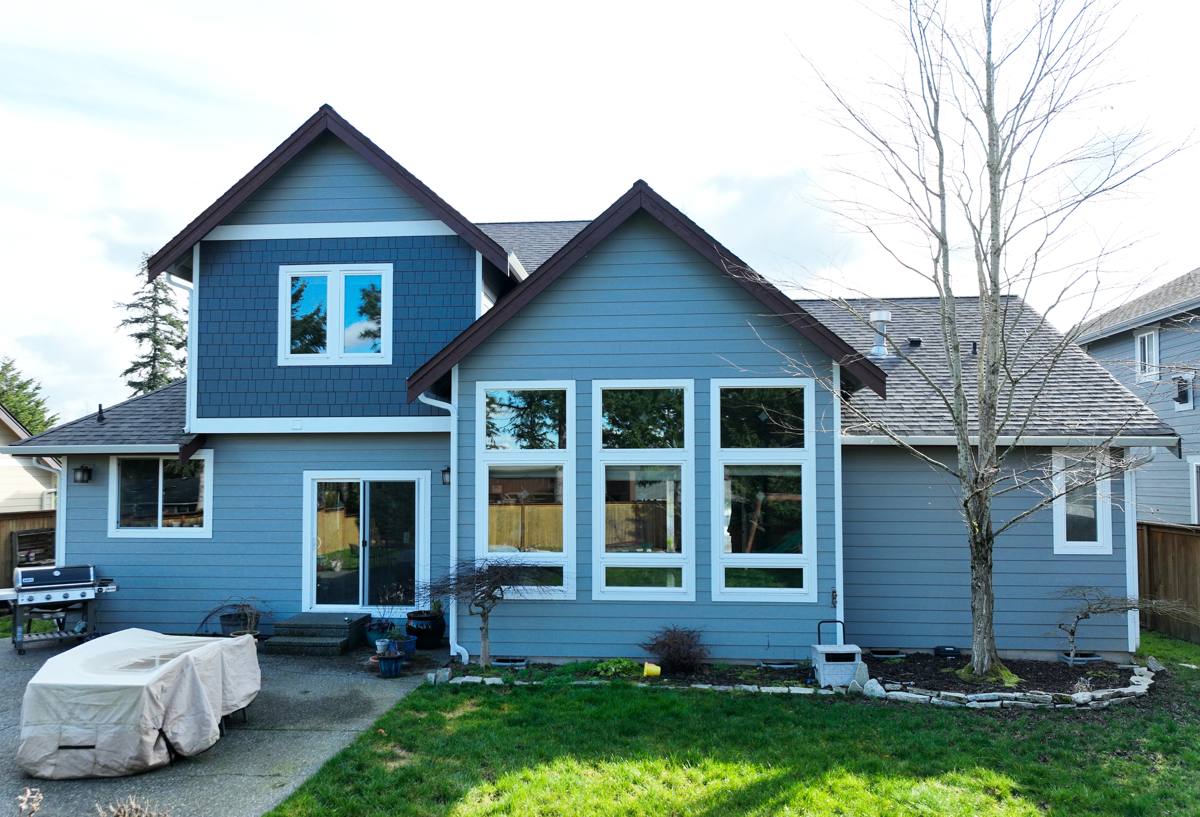
What Coastal Homes Actually Need From Their Siding
Wind Resistance
Siding on a barrier island has to stay fastened through sustained hurricane-force gusts and the pressure changes that come with them. That's a function of both the material's own strength and how tightly the installer follows the fastener schedule for high-wind zones — spacing, fastener type, and penetration depth all matter more here than they would on an inland home.
Moisture Management
Wind-driven rain doesn't fall straight down — it gets pushed sideways and upward under laps and around penetrations. Correct siding on a coastal home depends on a properly lapped and taped water-resistive barrier underneath it, not just the siding panel itself. The siding is one layer of a system; if the layer behind it is done wrong, the siding can look fine while the sheathing rots underneath.
UV and Color Stability
Florida's UV load is intense nearly year-round, and it's harder on painted surfaces than most homeowners expect. Field-applied paint chalks, fades, and needs recoating on a shorter cycle in this kind of sun exposure — which is a big part of why a factory-applied finish matters here.
Salt Air and Corrosion
Airborne salt accelerates corrosion on anything metal — fasteners, trim, flashing. On a barrier island, the fastener and flashing choices matter as much as the siding material itself.
Why We Install Only James Hardie Fiber Cement — Nothing Else
We don't install LP SmartSide, vinyl, Cemplank, Allura, primed spruce, or cedar. That's a deliberate standard, not an oversight, and on a property this close to the Gulf the reasoning gets sharper.
Vinyl siding is affordable and easy to install, but it's a thermoplastic — it softens and can warp in sustained heat and reflected sun, and it's more brittle under wind-borne debris impact than fiber cement. Wood and primed-spruce products can look great on day one, but Florida's humidity and rain load mean they need a disciplined recaulk-and-repaint cycle to keep water out, and coastal moisture makes that cycle harder to skip without consequences. Other fiber cement brands exist, and some are reasonable products, but we've standardized on one manufacturer, one installation method, and one warranty structure so we can stand behind every job the same way — rather than juggling different spec sheets and different failure modes across brands. That's our call to make as the installer, and we make it because it lets us install to one high standard on every home, including yours.
James Hardie's HZ5 Line: Built for This Climate Zone
James Hardie engineers its siding by climate zone rather than shipping one national product. Pinellas County falls in Hardie's HZ5 zone, which is formulated specifically for high-humidity, high-moisture regions like the Gulf Coast — different from the HZ10 formulation used in freeze-prone northern climates. The HZ5 formulation is engineered to resist moisture-related damage and is backed by a warranty against cracking, rotting, and termite damage that's specific to this climate classification.
On top of that, Hardie's ColorPlus finish is baked on in a factory-controlled process rather than applied on-site, which gives it better UV and fade resistance than field-applied paint — a real advantage under Florida's sun load. It also comes with its own finish warranty, separate from the substrate warranty on the siding itself. Hardie fiber cement is non-combustible as well, which matters less for storm exposure and more for general fire safety, but it's part of why we don't ask homeowners to trade that off for a cheaper composite.
What a Correct Installation Involves on a Barrier Island
Fiber cement siding is only as good as the install behind it. On a St. Pete Beach home, a correct job includes:
- A continuous, properly lapped and taped water-resistive barrier under the siding — not just felt paper stapled up quickly
- Correct clearance between the bottom of the siding and grade, roofing, decks, and hardscape, so standing water and splash-back can't wick into the panel edges
- Corrosion-resistant fasteners driven to Hardie's specified depth and pattern — not just "close enough," since fastener pull-through is a real wind-load failure point
- Properly flashed and sealed penetrations at windows, doors, hose bibs, and vents, using sealants rated for exterior/coastal exposure
- Expansion gaps at butt joints and trim, filled with the correct sealant rather than caulked tight
- Fastener schedules that meet or exceed the wind-load requirements for this part of Pinellas County, not a generic inland spec
None of this is visible once the job is finished, which is exactly why it matters who does the install — a rushed or undertrained crew can put the same boards on a wall and still leave the home exposed to water intrusion the first time a storm pushes rain sideways.
Our Process for a St. Pete Beach Project
We start with a site visit to look at the home's current siding, sheathing condition, and exposure — a house facing open water gets treated differently than one set back behind other structures. From there we handle the permit process with the applicable local building department, since siding replacement on the island typically requires a permit and inspection, not just a homeowner's go-ahead.
Once we start, old siding comes off and we inspect the sheathing underneath before anything new goes up — this is the point where hidden moisture damage, if any exists, gets caught and addressed rather than covered over. We install the water-resistive barrier, then the Hardie siding and trim to the fastener and clearance specs above, followed by a final walk-through with the homeowner. We also register the manufacturer warranty on the homeowner's behalf so there's no gap in coverage.
How Fiber Cement Compares for a Coastal Home
| Factor | James Hardie Fiber Cement | Vinyl | Wood / Primed Spruce |
|---|---|---|---|
| Wind-driven rain resistance | Strong, when installed to spec | Moderate — seams and panel flex are weak points | Depends heavily on paint/caulk maintenance |
| UV and color stability | Factory finish (ColorPlus) resists fading | Fades and can become brittle over time | Field paint fades faster in intense sun |
| Wind/impact durability | Rigid, holds up to debris impact | Can crack or warp under heat and impact | Vulnerable to impact and moisture damage |
| Salt air / corrosion exposure | Non-combustible substrate; corrosion risk limited to fasteners/trim | Low corrosion risk but heat-sensitive | Moisture and rot risk elevated near the coast |
| Maintenance cycle | Repaint only if not ColorPlus; otherwise low | Low, but limited repair options once damaged | Regular repainting/recaulking required |
What Drives the Cost of a St. Pete Beach Siding Job
Every home is different, but the same handful of factors move the price up or down on most coastal siding projects:
| Cost Factor | Why It Matters |
|---|---|
| Home size and number of stories | More surface area and elevation change the material, labor, and access required |
| Condition of existing sheathing | Rot or water damage found during tear-off adds repair work before new siding goes up |
| Siding profile chosen | Lap width, panel vs. board siding, and shake accents price differently |
| Trim and detail work | Corner boards, window trim, and soffit/fascia detail add labor time |
| Removal and disposal of old siding | Tear-off, hauling, and disposal fees vary by material and volume |
| Site access and exposure | Waterfront or tightly set lots can affect staging and scaffolding needs |
We walk every factor with the homeowner before any work starts, so there are no surprise line items once the crew is on-site.
Maintenance and Longevity in a Salt-Air Environment
Correctly installed Hardie siding is low-maintenance, but "low" isn't "none" — especially this close to the Gulf. A short seasonal routine goes a long way:
- Rinse salt residue off the siding periodically, especially on Gulf-facing walls
- Walk the exterior after major storms and check caulk lines around windows, doors, and penetrations for cracking or gaps
- Keep sprinklers and irrigation from spraying directly on the siding long-term
- Watch for any staining or soft spots near grade, decks, or roof-to-wall transitions — early signs are much cheaper to fix than late ones
- Repaint on the manufacturer's recommended cycle if the siding isn't a ColorPlus factory finish
Homes that get this basic attention, on top of a correct initial install, are where fiber cement earns its reputation for holding up decades on the Gulf Coast rather than needing early replacement.
Why a Crew That Already Works St. Pete Beach Matters
Siding installers who mostly work inland don't always think in terms of barrier-island wind exposure, salt air, or the permitting realities specific to this part of Pinellas County. We work St. Pete Beach regularly, which means we're not guessing at fastener schedules for this wind zone or treating flashing details as optional — it's how we build every job on this island. That local familiarity, paired with installing a single manufacturer's system to spec, is what keeps a siding job from becoming a repeat headache a few storm seasons down the road.
If you're weighing a siding replacement or repair on a St. Pete Beach home, we're happy to come take a look and walk you through what we'd recommend and why — no pressure, no obligation. Use the form below to request a free estimate.