 St. Petersburg Roofing
 Kenneth City Sits in One of Pinellas County's Toughest Climates for Exterior Materials
Kenneth City is a small, tightly packed residential community wedged between St. Petersburg and Pinellas Park, and like the rest of the county it sits on a narrow peninsula with saltwater on both sides. That geography matters more than most homeowners realize when it comes to picking a siding material. Homes here deal with intense, near year-round UV exposure, wind-driven rain that gets pushed sideways into wall assemblies during summer storms, salt-laden air drifting in off Tampa Bay and the Gulf, and the real possibility of hurricane-force wind gusts loading the exterior envelope multiple times a year. Any siding product installed on a Kenneth City home is being tested by all four of those forces at once, every single day, not just during a named storm.
That's the backdrop for everything on this page. We only install James Hardie fiber cement siding, and this page explains what that choice means specifically for a Kenneth City home — what the climate does to lesser materials, what a correct Hardie installation actually involves, and how our process works when we're working in this neighborhood.
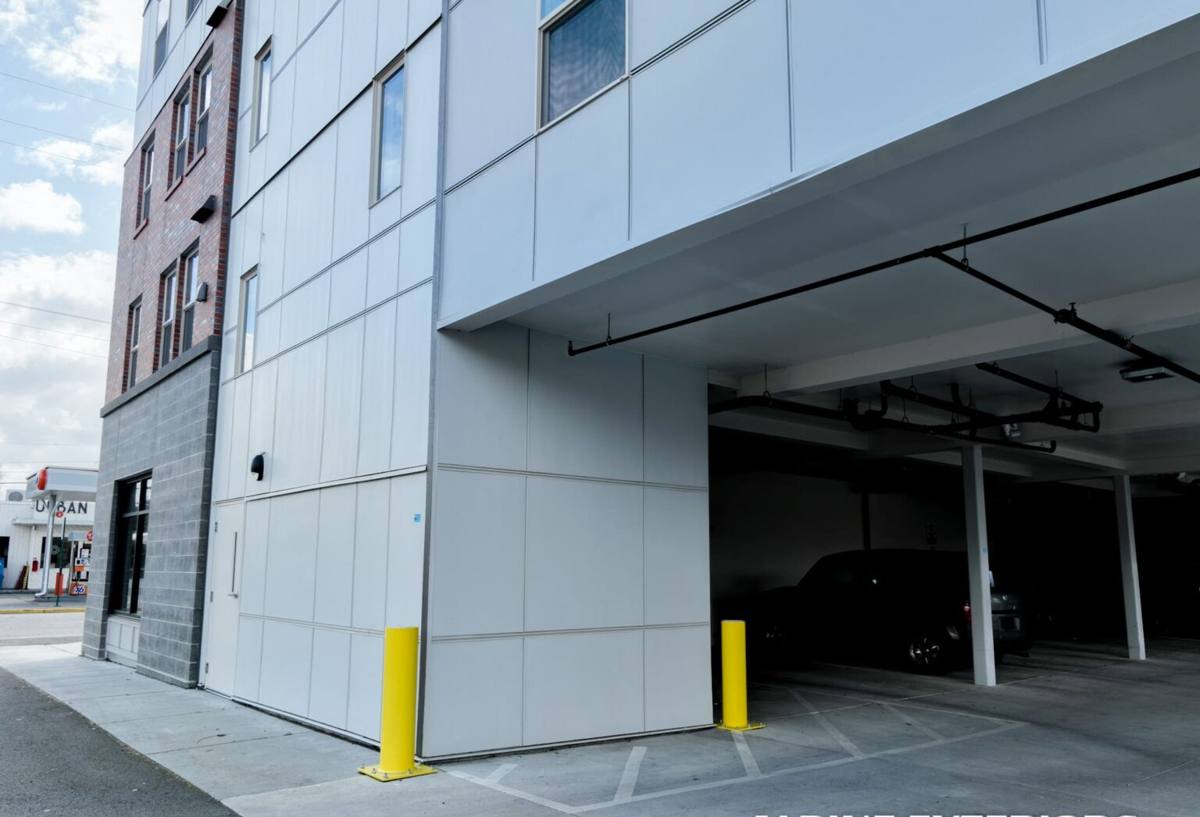
What This Climate Does to Standard Siding Materials
Vinyl
Vinyl siding is inexpensive and easy to install, which is exactly why it's common on tract housing. But it's a thin plastic product, and UV exposure this intense causes it to fade, chalk, and become brittle years faster than in a milder climate. Brittle vinyl cracks in wind events instead of flexing, and once a panel is compromised it's an entry point for wind-driven rain. It also has real limits on wind resistance — many vinyl products aren't rated for the sustained gusts a Pinellas County storm can produce.
Engineered Wood (LP-Type Products)
Engineered wood siding performs well in drier climates, but its core vulnerability is moisture. Once the factory coating is breached — at a cut edge, a fastener hole, or a joint that wasn't sealed correctly — humidity and wind-driven rain can wick into the substrate and cause swelling or edge deterioration. In a climate with our humidity levels and rain patterns, that vulnerability gets tested constantly, and it's the main reason we don't install it.
Stucco
Stucco is common on older Kenneth City homes and can perform well, but it relies on a continuous, crack-free surface to keep water out. Florida's heat cycling and storm activity stress those surfaces, and once hairline cracks form, water intrusion becomes an ongoing maintenance issue rather than a one-time fix.
None of this means these products are junk everywhere — it means they're mismatched to what a Kenneth City exterior actually has to survive. That mismatch is why we standardized on one material instead.
Why James Hardie Fiber Cement Is the Right Match for This Address
James Hardie makes climate-specific product lines, and the HZ5 formulation is engineered for hot, humid climates like ours — it resists moisture damage, won't rot, and isn't a food source for mold or fungus, which matters given how much humidity a Kenneth City wall assembly sees. It's also non-combustible, which is a meaningful difference from wood-based products and something more homeowners are factoring into insurance and rebuild decisions. The factory-applied ColorPlus finish is baked on and warrantied against fading and cracking in a way that field-applied paint on other materials simply isn't — important when you're getting this much direct sun for this many months of the year.
Fiber cement is also dense and rigid in a way that gives it real wind resistance when it's fastened correctly, which brings us to the part that actually determines whether any of this holds up: installation.
What a Correct Installation Actually Involves
James Hardie siding is only as good as the install behind it. The material is engineered to perform, but a rushed or generic installation defeats most of what makes it worth choosing in the first place. On a Kenneth City home, a correct job means:
- Proper clearances — siding held above grade, roofing, decks, and patios per Hardie's minimum clearance specs, so water doesn't wick up into the bottom edge of the boards.
- A continuous weather-resistive barrier installed behind the siding, with seams lapped and taped correctly so it actually sheds water rather than just being present.
- Correct flashing at every window, door, and roofline transition — this is where most real-world leaks originate, not through the siding field itself.
- Fastening to Hardie's high-wind installation specs, with the right fastener type, spacing, and embedment for our wind exposure — not a generic fastening pattern pulled from a milder-climate job.
- Correct joint treatment — some joints get sealed with the right sealant, others are designed to be left unsealed per Hardie's details; getting this backwards traps moisture instead of releasing it.
- Careful handling of the ColorPlus finish — cut edges primed or capped as specified, so the factory warranty on the finish stays intact.
Every one of these details is spelled out in Hardie's own installation instructions, and skipping any of them is how a good product ends up with a bad reputation on a specific house.
Our Process on a Kenneth City Project
1. On-Site Assessment
We walk the exterior, check the substrate condition, note wind exposure on each elevation, and identify any existing moisture or rot issues that need to be addressed before new siding goes on — covering over a problem never solves it.
2. Removal and Substrate Repair
Old siding comes off, and we inspect and repair sheathing as needed. This is also when the weather-resistive barrier and flashing details get installed correctly, since this step gets covered up and is the hardest to fix later.
3. Installation to Spec
Hardie boards go up following manufacturer clearance, fastening, and joint details for our wind zone — not a shortcut version.
4. Final Walkthrough
We review the finished job with the homeowner, check caulking, trim, and paint touch-ups, and confirm everything that affects the warranty was done to spec.
5. Warranty Registration
We handle registering the installation so the homeowner has both the product warranty and documentation that it was installed correctly.
Cost and Material Comparison for This Climate
| Factor | James Hardie Fiber Cement | Vinyl | Engineered Wood |
|---|---|---|---|
| UV/fade resistance | Factory ColorPlus finish, warrantied | Fades and chalks faster in intense sun | Depends on field-applied coating upkeep |
| Moisture/humidity behavior | Won't rot; resists moisture damage | Doesn't absorb moisture but can warp/crack | Vulnerable at breached edges and joints |
| Wind performance (installed to spec) | Rigid, dense, engineered fastening specs | Lower wind ratings on many products | Moderate, but panel integrity depends on coating |
| Combustibility | Non-combustible | Combustible plastic | Combustible wood-based core |
| Upfront cost | Higher | Lowest | Mid-range |
| Long-term maintenance | Low, if installed correctly | Low but shortens with UV degradation | Moderate to high near coating breaches |
What to Check Before Hiring Anyone for Siding Work Here
A siding job is only as good as the crew doing it, and in a market with this much storm-repair activity, it's worth being deliberate about who you hire. Before signing anything, confirm:
- The contractor is licensed to work in Florida and carries active liability and workers' comp insurance.
- They can explain Hardie's clearance, fastening, and flashing requirements without hesitation — not just quote a price.
- They pull the required building permit rather than treating it as optional.
- They're familiar with the wind-load and building code requirements that apply in Pinellas County, since inspectors here check for compliance with those specs.
- They register the installation for the manufacturer's warranty as part of the job, not as an afterthought.
- They give you a written scope that specifies fastening pattern, flashing details, and finish handling — not just "siding replacement" as a line item.
A crew that regularly works in Kenneth City and the surrounding St. Petersburg area already knows the wind exposure, humidity, and inspection expectations for this specific market, which cuts down on the guesswork and rework that happens when a contractor is applying generic, out-of-area assumptions to a Florida coastal home.
Living With Hardie Siding in a Salt Air, High-Humidity Climate
One advantage of choosing the right material up front is how little upkeep it demands afterward. James Hardie siding installed correctly doesn't need repainting on the same cycle as wood-based products, doesn't absorb moisture, and isn't a target for the pests or rot that humid Gulf Coast air encourages. Routine care is simple: rinse off salt residue and pollen periodically, keep gutters and downspouts directing water away from the wall assembly, and have caulking and trim checked every few years as part of normal home maintenance. That's a manageable list compared to what other materials require in this environment.
Get a Straight Answer for Your Home
Every Kenneth City home has its own exposure, age, and substrate condition, and the right approach depends on those specifics rather than a one-size answer. If you're weighing a siding replacement or want a professional look at what's currently on your walls, we're happy to walk the property, answer questions honestly, and put together a clear, no-pressure estimate using the form below.