 St. Petersburg Roofing
 Storm Damage Roof Repair Built for Old Southeast's Historic Homes
Old Southeast is one of St. Petersburg's older, established neighborhoods — a mix of bungalows, Mediterranean Revival cottages, and mid-century homes, many with mature tree canopy overhead and close proximity to Tampa Bay. That combination is exactly what makes storm damage here different from storm damage in a newer subdivision. Older roof framing and decking, original architectural details, and heavy shade from long-established trees all change what "correct repair" looks like. We've worked on enough of these roofs to know that a generic patch job doesn't hold up here the way it might on a house built in the last decade.
This page covers exactly one service for exactly one neighborhood: storm damage roof repair for Old Southeast homes. If you've got active leaks, missing shingles, lifted flashing, or visible damage after a storm rolled through Pinellas County, here's what you need to know before you hire someone to fix it.
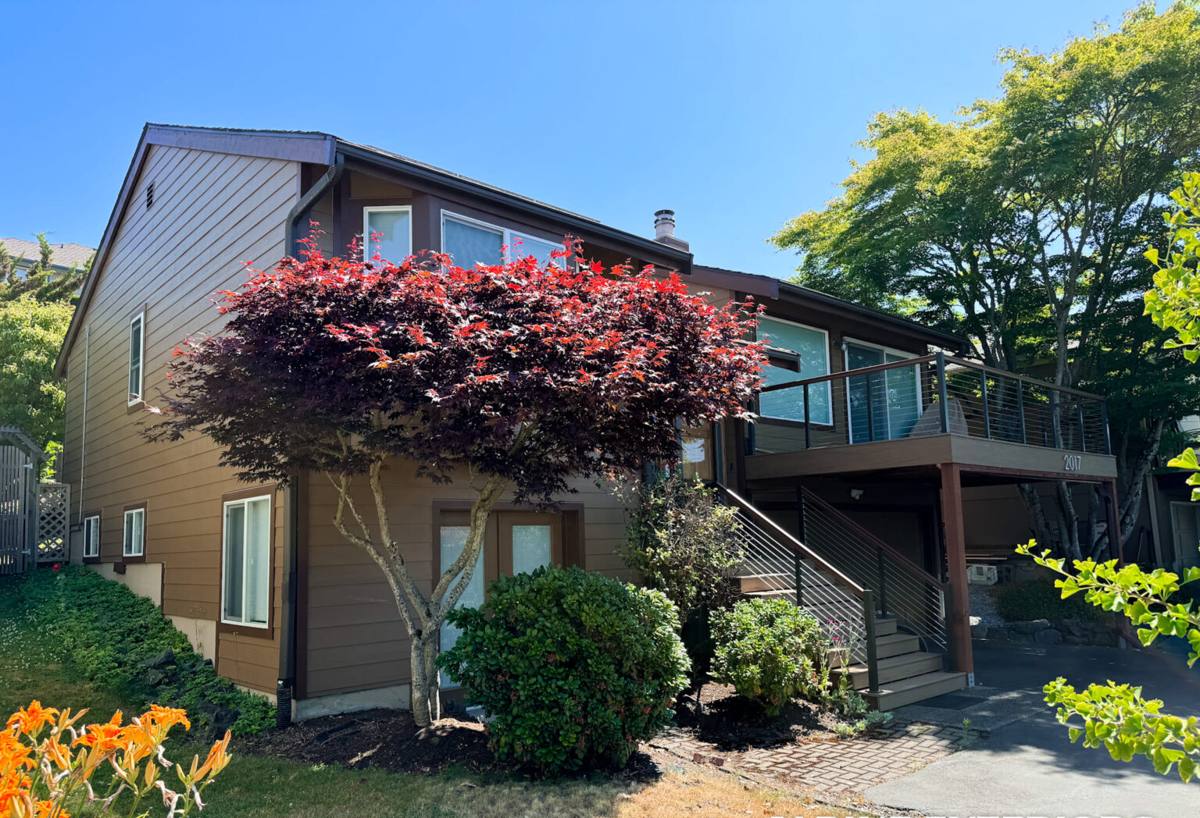
Why Storm Damage Hits Old Southeast Roofs Differently
Older Materials, Older Decking
Many homes in this part of St. Petersburg have been re-roofed at least once, sometimes over original decking that's decades old. Plywood or board decking that's been through multiple Florida summers and storm seasons doesn't have the same holding strength for fasteners as newer decking. When wind gets under a shingle edge, the difference between "we replace a few shingles" and "we replace a section of decking" often comes down to how that old wood has held up underneath.
Tree Canopy and Debris
Mature trees are part of what makes this neighborhood attractive, but they're also a storm damage factor. Overhanging limbs drop debris during high wind, abrade shingle surfaces over years of contact, and hold moisture against the roof longer after rain than a roof with open sky above it. Gutter and valley debris from tree drop is one of the most common contributors to water intrusion we find on post-storm inspections here.
Proximity to the Water
Old Southeast sits close to Tampa Bay, which means salt air is a constant, low-grade stressor on every metal component on the roof — fasteners, flashing, drip edge, vent boots. Combine that with Pinellas County's wind-driven rain during tropical systems and afternoon storms, and you get accelerated corrosion at exactly the points most likely to fail during a storm: flashing seams, valleys, and penetrations.
What Actually Causes Storm Damage on These Roofs
- Wind uplift at shingle edges and ridge caps — starts small, then peels back further with each subsequent storm if not repaired
- Flashing failure around chimneys, dormers, and wall-to-roof transitions — common on older architectural styles with more roof breaks than a simple gable roof
- Wind-driven rain intrusion — water pushed sideways under shingles and flashing, not just falling straight down, which is why leaks often show up in spots that look "fine" from the ground
- Impact damage from tree limbs or wind-borne debris
- Granule loss and UV-accelerated wear — Florida's near year-round sun bakes asphalt shingles even without a storm, and storm-stressed shingles degrade faster afterward
- Compromised decking — found once shingles are pulled back, especially on original or older re-roofs
What a Correct Repair Actually Involves
A storm damage repair that's done right isn't just "put new shingles where the old ones blew off." On an older Old Southeast roof, it means:
- Full damage assessment, not just the obvious spot. Wind damage often extends past what's visible from the ground or from a single missing shingle. We check the whole slope, not just the reported area.
- Decking inspection underneath removed shingles. If the wood is soft, delaminated, or fastener-worn, it gets replaced before anything new goes down — patching over bad decking just moves the failure point.
- Matching or compatible materials. On a home with visible character — barrel tile accents, distinct color, an older shingle profile — we match as closely as possible so the repair doesn't stand out as an obvious patch.
- Flashing done properly, not just caulked. Caulk is a maintenance item, not a repair. Proper step flashing, counter-flashing, and valley work is what actually stops wind-driven rain long-term.
- Fastener and underlayment correctness for local wind exposure. Pinellas County has meaningful wind load requirements in the building code, and storm repairs should meet them — not just get something back up quickly.
Our Process for Old Southeast Storm Repairs
1. Inspection and Documentation
We walk the roof (not just look from the driveway), photograph the damage, and identify both the storm-caused damage and any pre-existing wear that's relevant to the repair. This documentation matters if you're filing an insurance claim — clear, dated photos of the actual damage make the claims process smoother.
2. Straight Answer on Scope
We tell you plainly whether this is a targeted repair or whether the damage points to a bigger issue (widespread decking failure, a roof near the end of its service life, etc.). We're not going to talk you into a full replacement you don't need, and we're not going to undersell a repair that won't actually hold.
3. The Repair Itself
Damaged materials come off, decking gets inspected and replaced where needed, flashing is rebuilt where compromised, and new materials go in matched to what's already on the roof wherever reasonably possible. We clean up debris — including anything that fell from trees during the storm — before we leave.
4. Follow-Up
We check back on the repair after the next significant rain event where possible, and we're available if anything shows up that wasn't apparent right after the repair. Leaks from wind-driven rain sometimes don't show themselves until the next storm pushes rain from a different direction.
Why It Matters That We Already Work in This Neighborhood
A crew that's worked Old Southeast roofs before isn't guessing about what they'll find under the shingles. That familiarity shows up in a few practical ways:
- We recognize the common roof styles and framing quirks in the neighborhood's older homes before we ever pull a shingle
- We know what local permitting and inspection typically requires for roof repair work in St. Petersburg
- We're realistic about tree-related maintenance issues (overhanging limbs, gutter debris) that keep causing repeat damage if not addressed alongside the repair
- We understand how salt air and wind-driven rain off the bay affect flashing and fastener life differently than it would a few miles inland
None of that replaces a proper inspection of your specific roof — every home is different — but it means less trial and error on our part and a faster, more accurate diagnosis for you.
Repair Approach: Cost and Trade-Off Factors
Every storm repair is different, but here's a general breakdown of what drives cost and decision-making on Old Southeast homes specifically:
| Factor | What It Affects | Why It Matters Here |
|---|---|---|
| Decking condition | Whether it's a shingle-only repair or includes structural wood replacement | Older homes are more likely to have aged or original decking under later re-roofs |
| Material matching | Cost and sourcing time for shingles or tile matching existing roof | Visible character homes need closer color/profile matching than a plain roof |
| Flashing scope | Whether repair is localized or extends to full valley/chimney flashing rebuild | More roof breaks (dormers, chimneys) common on older architectural styles |
| Tree canopy access | Time and care needed to work around overhanging limbs | Mature trees are common throughout the neighborhood |
| Insurance involvement | Documentation requirements and claim timeline | Wind and storm damage claims are common after Pinellas County storm events |
Broad honest range: a targeted flashing or shingle-section repair on a typical Old Southeast home usually runs in the low-to-mid four figures; repairs involving decking replacement or extensive flashing rebuilds run higher. We won't give you a real number without seeing the roof — anyone who quotes storm damage repair sight unseen is guessing.
Homeowner Checklist: After a Storm, Before You Call Anyone
- Photograph any visible damage from the ground — missing shingles, debris on the roof, damaged gutters
- Check inside the attic and ceilings for water stains, even if you don't see obvious roof damage from outside
- Don't climb onto the roof yourself to inspect storm damage — wet, wind-stressed roofing is not safe to walk
- Note the date and approximate time of the storm for insurance purposes
- Avoid signing anything with a contractor who showed up unsolicited door-to-door right after a storm without local references
- Get a written scope of repair, not just a verbal estimate, before work begins
Protecting the Repair Going Forward
A storm repair holds up longer with a little basic upkeep, especially in a tree-heavy, water-adjacent neighborhood like this one:
- Keep gutters and valleys clear of leaf and debris buildup, particularly after storm season
- Trim back limbs that overhang or contact the roof surface
- Have flashing and fastener points checked periodically — salt air corrosion is gradual, not sudden
- Address minor granule loss or wear early rather than waiting for the next storm to turn it into a leak
If your Old Southeast home took damage in a recent storm — or you're not sure whether what you're seeing is storm-related or just age — we're glad to take a look. We offer a free, no-pressure estimate with a straight answer on what your roof actually needs; use the form below to get started.