 St. Petersburg Roofing
 Siding That Has to Work in Roser Park's Real Conditions
Roser Park is one of St. Petersburg's older, established neighborhoods — a mix of early-1900s bungalows, mid-century additions, and newer infill, most of it sitting under a mature tree canopy just a short distance from Tampa Bay. That combination matters more for siding than most homeowners realize. Older wood-frame construction, shaded lots, and close proximity to salt water each change how a wall assembly ages. A siding product and installation method that holds up fine in a dry inland climate can fail years early here. This page covers what siding installation actually needs to look like for a Roser Park home, and why we only do it one way.
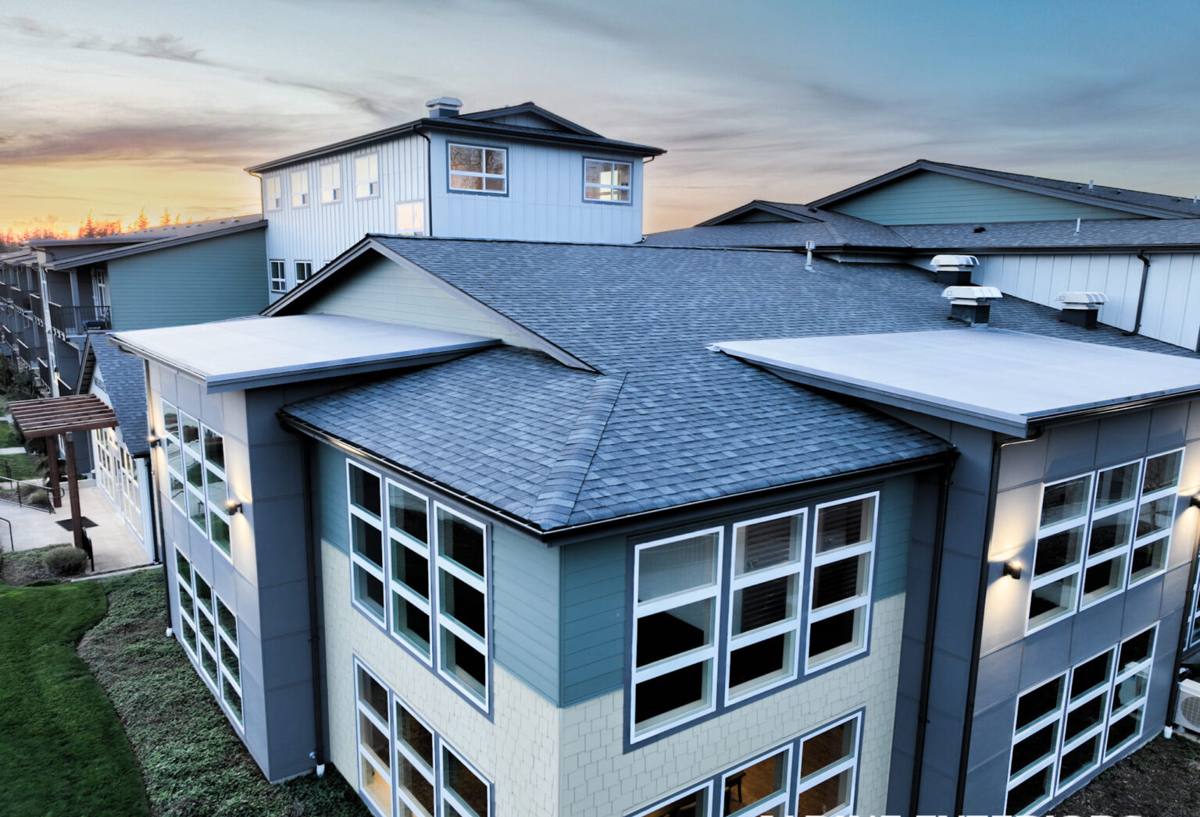
What Pinellas County's Climate Does to Exterior Walls
St. Petersburg sits on a peninsula, and Roser Park is close enough to the water that salt-laden air is a constant factor, not an occasional one. Add in the rest of what this region throws at a house, and siding is under more stress here than almost anywhere else in the country:
- Hurricane-force wind: Pinellas County sees tropical storm and hurricane wind loads that test every fastener, seam, and edge of a siding system, not just its face.
- Intense, year-round UV: Florida sun breaks down paint film and cheaper composite substrates faster than in northern climates, causing fading, chalking, and premature cracking.
- Wind-driven rain: Storms here don't just fall straight down — wind pushes rain sideways into laps, seams, and penetrations, which is where poor installation shows up first.
- Salt air: Airborne salt accelerates corrosion of fasteners and trim and speeds up the breakdown of moisture-sensitive materials.
None of this is unique to Roser Park — it's the reality across the St. Petersburg area — but older neighborhoods with mature trees add shade, humidity, and debris load that keep wall assemblies damp longer after every rain event. Siding that can't manage moisture well simply doesn't get a chance to dry out before the next storm.
The Extra Wrinkle: Roser Park's Older Housing Stock
Mixed Wall Assemblies
Homes of this era were often built with wood sheathing, sometimes with additions or renovations layered on over the decades using different materials and methods. A proper siding installation starts with an honest look at what's actually behind the old siding — not an assumption that it matches modern framing and sheathing standards.
Matching the Neighborhood's Character
Older, walkable neighborhoods like this one tend to have a visual identity — traditional profiles, trim details, and color palettes that read as "of the neighborhood" rather than generic. Siding replacement is a chance to protect the home for decades, but it should also respect that character rather than making a historic-feeling street look out of place.
Tree Cover and Moisture
Mature trees are one of the best things about this part of St. Petersburg, but they also mean more shade, more leaf and debris buildup against walls, and slower drying after rain. That makes drainage behind the siding — not just the siding itself — a bigger deal here than on an open, sun-exposed lot.
What a Correct Siding Installation Actually Involves
Siding failures are almost never about the material choice alone — they're about what happens underneath it. A correct installation in this climate means getting every layer right, not just the visible one.
- Removing old siding and inspecting sheathing and framing for rot, prior water intrusion, or termite damage before anything new goes on
- Installing a code-compliant weather-resistant barrier, lapped correctly to shed water downward
- Properly integrated flashing at every window, door, and roofline penetration — this is the single most common failure point in Florida siding jobs
- Correct fastener type, spacing, and penetration depth for wind resistance, matched to manufacturer specs and local wind zone requirements
- Proper clearance between the siding's bottom edge and grade, roofing, decks, or patios to prevent wicking moisture
- Caulking and sealing only where the manufacturer specifies it — oversealing traps moisture instead of letting it escape
- Trim, corners, and joints detailed to shed wind-driven rain rather than collect it
Skip or rush any one of these steps and the siding may look fine for a year or two while quietly failing behind the surface — which is exactly the kind of problem that shows up as a costly repair down the road.
Why We Install Only James Hardie Fiber Cement Siding
We don't install vinyl, LP SmartSide, Cemplank, Allura, or primed wood siding. That's a deliberate standard, not a limitation. Each of those products has real trade-offs — vinyl can warp and deform in high heat and doesn't hold up structurally in hurricane-force wind the way fiber cement does; engineered wood products are more sensitive to sustained moisture exposure and installation error; other fiber cement brands can be perfectly serviceable but don't offer the same factory finish warranty or climate-specific engineering that James Hardie has built specifically for humid, storm-prone regions.
James Hardie's HZ5 product line is engineered for exactly this climate — high humidity, wide temperature swings, and storm exposure. The ColorPlus finish is baked on at the factory under controlled conditions, which holds color and resists fading, chipping, and cracking far better than field-applied paint. It's non-combustible, which matters for wildfire-adjacent areas and simply adds a layer of fire safety most other claddings can't claim. And it comes with a strong transferable warranty when installed to the manufacturer's specifications — which is exactly why we treat installation quality as non-negotiable.
Siding Options at a Glance
| Material | Wind/Storm Performance | UV & Salt Air Resistance | Long-Term Maintenance |
|---|---|---|---|
| James Hardie Fiber Cement | Engineered HZ5 line for high-wind, coastal-humidity climates | Factory ColorPlus finish resists fading and chalking | Low — occasional wash, no repainting for years |
| Vinyl Siding | Can deform, crack, or blow off in high wind and extreme heat | Fades and becomes brittle under intense UV over time | Low upfront cost, but shorter realistic lifespan here |
| LP SmartSide / Engineered Wood | Adequate when new; sensitive to sustained moisture exposure | Field-applied or factory finishes can wear faster near salt air | Moderate — edge sealing and moisture monitoring matter |
| Primed Wood / Cedar | Vulnerable to wind-driven rain and rot in humid climates | Requires regular repainting and sealing | High — ongoing maintenance is the trade-off for the look |
Our Siding Installation Process
- On-site inspection: We evaluate your current siding, sheathing, and trim, and check for any existing moisture or structural issues before quoting the job.
- Product and color selection: We walk through James Hardie's HZ5 lines and ColorPlus palette so the finished look fits the home and the street.
- Tear-off and substrate repair: Old siding comes off, damaged sheathing or framing gets repaired, and the wall is prepped clean.
- Weather barrier and flashing installation: This hidden layer is where most failures start elsewhere — we treat it as the most important step in the job.
- Hardie panel or lap installation: Installed to manufacturer fastening and clearance specs, not shortcuts.
- Trim, caulking, and final detailing: Finished to shed wind-driven rain and hold up to salt air exposure.
- Final walkthrough: We review the completed work with you and register the manufacturer warranty.
Why It Matters That We Already Work in Roser Park
A crew that's worked this part of St. Petersburg understands things you don't learn from a spec sheet: how the tree canopy on older streets keeps walls shaded and slower to dry, what the age of the housing stock here typically means for what's hiding behind existing siding, and how to keep a new installation looking like it belongs on the street rather than sticking out. We also know the Pinellas County permitting and wind-load requirements that apply to exterior work in this area, so nothing gets held up or done out of code. That local familiarity translates directly into fewer surprises during the job and a better long-term result.
Maintenance After Installation
Correctly installed James Hardie siding is genuinely low-maintenance, but "low" doesn't mean "none." A simple annual routine keeps it performing as designed:
- Rinse the siding periodically to remove salt residue and organic buildup from tree cover
- Inspect caulking at trim and penetrations yearly, especially after hurricane season
- Trim back branches and shrubs that trap moisture against the wall
- Watch for any soft spots, staining, or gaps that could signal a flashing or drainage issue
Catching a small issue early is always cheaper than repairing what it causes if it's ignored for a few storm seasons.
If your Roser Park home needs new siding or you're dealing with an aging installation that's starting to show its age, we're happy to take a look and give you a straight answer — no pressure, no upsell. Use the form below to request a free estimate.