 St. Petersburg Roofing
 New-Construction Windows vs. Replacement Windows: Why the Difference Matters in Bartlett Park
"New-construction windows" and "replacement windows" are not the same product, and mixing them up on the wrong project causes real problems down the road. New-construction windows have a nailing flange (also called a nail fin) around the perimeter of the frame. That flange gets fastened directly to the wall sheathing and integrated with the house wrap and flashing before stucco, siding, or brick veneer goes on. Replacement windows, by contrast, are built to slide into an existing, intact frame with no flange — they rely on the old opening still being sound.
In Bartlett Park, we see both situations regularly: new infill homes going up on older lots, additions and second-story build-outs on existing bungalows, and full re-stucco or re-siding jobs where a homeowner wants the windows reset correctly rather than just swapped in place. Any time the exterior wall is opened down to the framing, new-construction windows are the right call — using a pocket replacement window in that situation skips flashing steps the wall is depending on, and using a flanged window on an opening that was never meant to have one creates its own headaches. Getting this decision right at the start saves money and prevents leaks later.
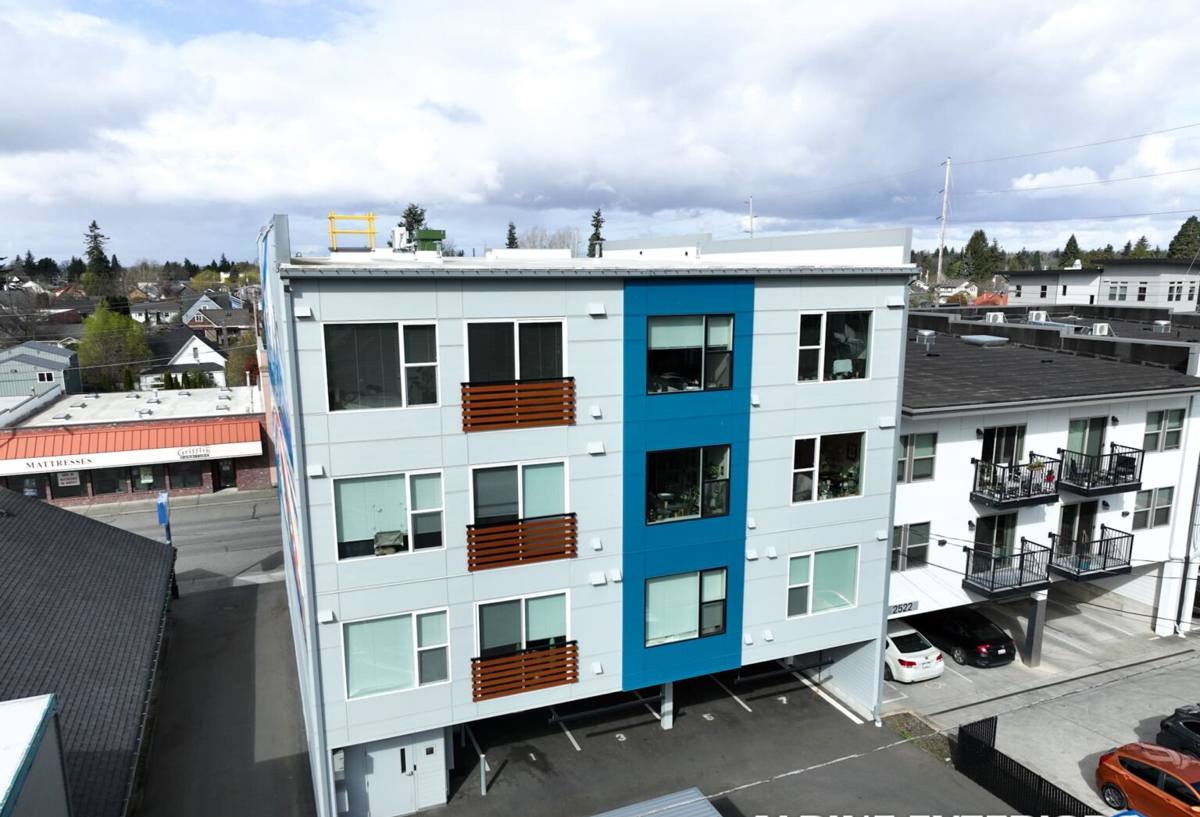
What St. Petersburg's Climate Actually Demands From a Window Install
Pinellas County sits on a narrow peninsula, and Bartlett Park homes deal with the full range of what that location throws at a building envelope. A window installation here has to hold up to more than a typical build in most of the country.
Hurricane-Force Wind and Wind-Borne Debris
St. Petersburg falls within Florida's wind-borne debris region, which means new-construction windows here have to either be impact-rated or paired with approved storm protection. This isn't optional trim — it's a code requirement, and it's also just good sense given how often this part of Florida sees tropical systems and severe thunderstorms with straight-line winds strong enough to turn an unprotected pane into a real hazard.
Wind-Driven Rain
Wind doesn't just push against a window — it drives rain sideways and upward under pressure, which is exactly the condition that exposes bad flashing. A window that would stay dry in a calm rain in another climate can leak here if the sill pan, head flashing, or sealant joints weren't done correctly.
Intense, Year-Round UV
Florida sun is harder on materials than most homeowners realize. UV exposure degrades cheap vinyl, breaks down inferior sealants, and fades or embrittles low-quality frame finishes faster than in northern climates. Window glazing and frame materials need to be rated for sustained UV exposure, not just wind and water.
Salt Air
Even set back from the immediate waterfront, Pinellas County properties sit close enough to Tampa Bay and the Gulf that salt-laden air is a factor. Salt accelerates corrosion on hardware, fasteners, and screens. Window hardware and fasteners on a coastal-influenced installation should be corrosion-resistant, not standard-grade.
Florida Building Code, Wind Requirements, and Permitting in Pinellas County
New-construction window work in St. Petersburg is governed by the Florida Building Code and requires a permit through the local building department — this isn't a job that should ever be done "off the books," even on a small addition. A few things every Bartlett Park homeowner should understand going in:
- Design pressure (DP) rating: every window installed has to meet the wind load requirements for its location on the house, based on exposure and building height.
- Wind-borne debris protection: openings must be impact-rated or protected by code-approved shutters or panels.
- Product approval: windows sold for use in Florida's wind zones should carry a Florida Product Approval or Miami-Dade Notice of Acceptance (NOA) listing showing they've been tested for these conditions.
- Inspection: the city inspects flashing and rough opening prep before the window can be closed in, and again after final installation. Skipping this step — or hiring someone who skips it — leaves you with no record that the work was done to code, which matters at resale and for insurance.
None of this is unique to Bartlett Park specifically, but a contractor who pulls permits regularly with the City of St. Petersburg knows the local inspectors, the typical turnaround times, and where projects commonly get flagged — which keeps a job moving instead of stalling out.
What a Correct New-Construction Window Installation Actually Involves
The window product itself only accounts for part of whether the installation performs. Most leaks and failures we see trace back to the details around the window, not the window itself.
Installation Checklist
- Rough opening checked for correct size, square, and level before the window ever arrives on site
- Sill pan flashing installed to shed water outward, not into the wall cavity
- House wrap and flashing lapped in proper shingle-style order — each layer overlapping the one below so water always sheds down and out
- Nailing fin fastened per the manufacturer's schedule, not "close enough" spacing
- Window shimmed plumb, level, and square before final fastening — an out-of-square frame stresses the glass and hardware over time
- Sealant and backer rod used at the correct joints, with the right sealant type for a coastal, high-UV climate
- Interior and exterior finish work sealed to prevent air and moisture intrusion
- Permit inspection completed at the appropriate stages, not skipped or backdated
Any one of these steps done wrong can lead to a leak that doesn't show up for months or years — which is part of why window problems are so often blamed on "bad luck" or "old age" when the real cause was an installation shortcut taken long before.
Choosing the Right Window for a Bartlett Park Home
Homeowners generally have two paths to meet Florida's wind-borne debris requirements: impact-rated glass, or standard glass paired with approved shutters or panels. Both are legitimate, code-compliant approaches — the right one depends on budget, how the home is used, and personal preference.
| Factor | Impact-Rated Windows | Standard Windows + Shutters |
|---|---|---|
| Upfront cost | Higher per window | Lower window cost, added shutter cost |
| Storm prep effort | None — always protected | Shutters must be deployed before a storm |
| Everyday noise reduction | Noticeably quieter | Standard glass performance |
| Appearance | Clean, unobstructed year-round | Shutter hardware visible on exterior |
| Maintenance | Glass and frame only | Shutters need periodic function checks |
| Insurance considerations | Often qualifies for wind mitigation credit | May also qualify, depending on shutter type |
Frame material matters too. Vinyl, aluminum, and fiberglass all show up in new-construction jobs in this area, and each has trade-offs in UV resistance, expansion/contraction behavior, and long-term maintenance. We'll walk through what fits a given home rather than defaulting to one product for every job — a home undergoing a full re-stucco has different needs than a small addition on an older bungalow.
Our Process, Start to Finish
- On-site assessment: we look at the rough openings (existing or planned), the wall assembly, and the home's exposure to sun, wind, and driving rain.
- Product selection: we go over frame material, glass package, and impact vs. shutter-protected options based on your budget and how the space will be used.
- Written estimate: a clear scope of work and pricing before anything is ordered.
- Permitting: we handle the permit application with the City of St. Petersburg so the paperwork is in order before work starts.
- Installation: flashing, fastening, sealing, and finish work done to manufacturer specs and Florida Building Code requirements.
- Inspection: we coordinate the required inspections so the job is signed off and on record.
We keep homeowners in the loop at each stage — no surprise change orders, no vanishing between the estimate and the install date.
Why a Crew That Already Works Bartlett Park Matters
Bartlett Park has a real mix of housing stock — older bungalows, additions, and newer infill construction sitting side by side. A crew that's worked this neighborhood already understands that variety: how older framing typically behaves when a wall gets opened up, what the City of St. Petersburg's inspectors expect to see on a rough-in, and how to sequence a window install around Florida's rainy season so an open wall isn't left exposed longer than necessary.
That local familiarity also means fewer surprises. A contractor who's pulled permits in this jurisdiction before knows the typical inspection timeline, avoids common documentation mistakes, and can give you a realistic schedule instead of a guess. On a coastal Pinellas County project, that experience is worth more than it might seem on paper.
Protecting the Investment After Installation
A correctly installed new-construction window shouldn't need much attention, but a little routine care goes a long way in this climate:
- Rinse frames and hardware periodically to clear salt residue, especially after storms
- Inspect exterior sealant joints once a year for cracking or separation
- Check that weep holes (if applicable) stay clear of debris and paint
- Test shutter hardware before hurricane season if you went that route instead of impact glass
These are small checks, but they're the difference between a window system that performs for decades and one that starts showing problems well before it should.
If you're planning an addition, a rebuild, or a re-stucco project in Bartlett Park and want windows installed the right way the first time, we're happy to take a look and put together a free, no-pressure estimate — just fill out the form below.