 St. Petersburg Roofing
 Windows Built for the Euclid-St. Paul Neighborhood
Euclid-St. Paul is one of St. Petersburg's older, established residential pockets, with a housing stock that spans early-to-mid 20th century bungalows and cottages alongside newer infill and updated homes. That mix matters when it comes to windows. A house built decades ago was almost never framed with today's window sizes or energy codes in mind, and a lot of the original openings have already been through one or two rounds of replacement — some done well, some done as a quick patch job. Custom windows exist for exactly this situation: openings that are slightly out of square, non-standard sizes, or historic proportions that a stock big-box window simply won't fit without gaps, shims, and callbacks.
We're a St. Petersburg roofing and exteriors crew that also handles window replacement, and Euclid-St. Paul is a neighborhood we already work in regularly. That local familiarity — knowing the age range of the housing stock, the typical wall construction, and what Pinellas County's permitting office expects on a window job — is worth more than a lower bid from a company that's never worked a street in this part of the city.
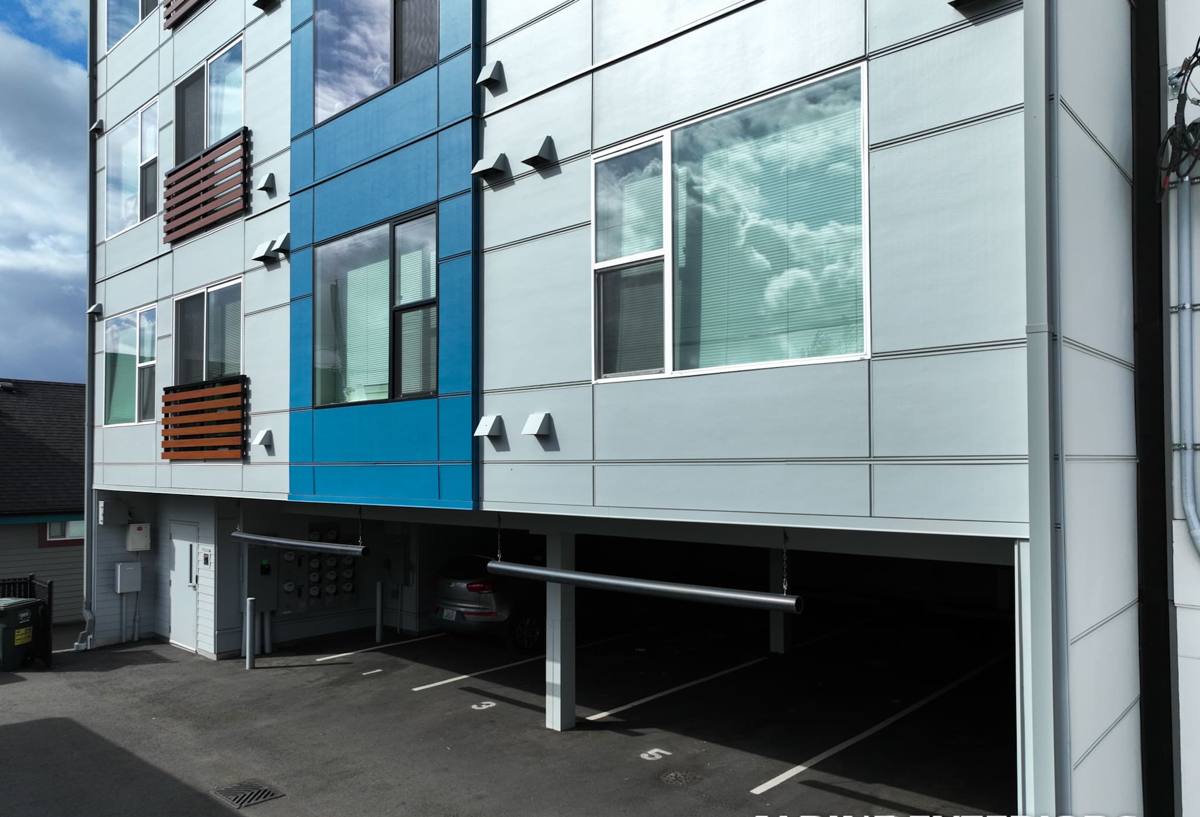
What Pinellas County Weather Actually Does to Windows
St. Petersburg sits on a peninsula, and that has real consequences for window performance, not just roofing. Four things wear on windows here specifically:
- Hurricane-force wind and pressure cycling. Even homes that never take a direct hit still see repeated high-wind events that flex frames and glass over the years, loosening seals that were fine when the window was new.
- Year-round intense UV. Florida sun degrades vinyl, weatherstripping, and low-E coatings faster than in milder climates. Frames that would last 20+ years up north can chalk, warp, or discolor here in half that time if the material wasn't chosen for UV exposure.
- Wind-driven rain. St. Petersburg storms don't just drop rain straight down — wind pushes water sideways into any gap in flashing or sealant. A window that's watertight in a light shower can still leak during a squall if the installation detail around it is wrong.
- Salt air. Being close to the coast means airborne salt accelerates corrosion on hardware, screws, and lower-quality metal components, even at homes that aren't waterfront.
None of this means windows fail quickly here — it means the margin for a sloppy install or a mismatched product is smaller than it is inland. A window that's "good enough" in a drier, calmer climate can underperform in Pinellas County within a few years.
Why "Custom" Isn't Just a Sales Word
On an older Euclid-St. Paul home, "custom" usually means one or more of the following: the rough opening isn't a standard size, the wall depth doesn't match a modern window's jamb depth, the exterior trim or siding profile needs to be matched rather than covered up, or the home's age means there's older material (old wood framing, sometimes lead paint, sometimes settled framing) that needs to be handled correctly rather than just covered over. Custom-sized windows cost more than stock sizes, but the alternative — forcing a stock size into a non-stock opening — usually means extra trim work, visible gaps, or a compromised seal that shows up as a leak two or three years later.
What a Correct Window Job Includes
A window replacement is really three separate jobs stacked together: removing the old unit without damaging the surrounding structure, correctly flashing and sealing the opening, and setting a window that's rated for the load it needs to handle. Skipping or rushing any one of the three is the most common cause of a "new window that still leaks."
1. Removal and Opening Prep
Old sashes, frames, and any failed sealant get removed down to the rough opening. On an older home this is the step where hidden problems — soft wood, old caulking that's failed, or framing that's shifted slightly out of square — get found and dealt with before a new window ever goes in. Covering that damage instead of fixing it is how a new window ends up leaking behind the wall.
2. Flashing and Weatherproofing
This is the step that determines whether wind-driven rain gets into the wall cavity. Proper flashing tape and sealant go in specific layers — sill, jambs, then head — so water is always directed outward and down, never trapped behind the window. This detail matters more in a coastal wind-driven-rain climate than almost anything else about the job, and it's invisible once the window is in, which is exactly why it's the step some lower-cost installers shortcut.
3. Setting, Fastening, and Sealing the Unit
The window has to be shimmed level and plumb, fastened per the manufacturer's and code-required pattern (not just a few screws wherever convenient), and sealed on the interior and exterior with the correct sealant type. Under-fastening is one of the most common causes of a window failing to hold up in high wind, even when the window itself is a good, code-rated product.
Wind and Impact Requirements in This Part of Florida
Pinellas County, including St. Petersburg, falls within Florida's wind-borne debris region under the Florida Building Code. In practical terms, that means new and replacement windows generally need to either be impact-rated (able to withstand debris impact without breaching) or be paired with approved shutter protection — a window that isn't one or the other typically won't pass inspection on a permitted job. This isn't a marketing detail; it's a code requirement tied to hurricane risk, and it's why we pull permits and don't cut corners on product ratings just to hit a lower price.
| Frame Material | How It Handles This Climate | Trade-Offs |
|---|---|---|
| Vinyl (impact-rated) | Won't corrode from salt air; good insulator; widely available in impact-rated versions | Can discolor or become brittle over time under intense UV if lower-grade; quality varies a lot between manufacturers |
| Aluminum | Strong, slim sightlines, historically common in Florida | Conducts heat/cold more than vinyl; needs a quality finish to resist salt-air corrosion long-term |
| Fiberglass/composite | Very stable in heat and UV, low expansion/contraction | Higher upfront cost; fewer style options in some product lines |
| Wood (with cladding) | Matches historic character on older homes | Highest maintenance burden in humid, salt-air conditions unless properly clad and sealed |
For most Euclid-St. Paul homes, impact-rated vinyl or a clad composite window ends up being the practical sweet spot: it satisfies code, holds up to UV and salt air, and doesn't demand the ongoing upkeep that unclad wood does in this climate. On homes where matching a historic look matters more than cost, we'll walk through the wood-clad and composite options honestly, including the maintenance commitment that comes with them.
Impact-Rated vs. Shutters: An Honest Comparison
Homeowners sometimes ask whether it's cheaper to install standard windows and rely on shutters instead of paying for impact glass. Both are legitimate, code-accepted approaches, but they behave differently day to day.
- Impact-rated windows protect the home automatically, all the time, without anyone needing to put anything up before a storm. They also cut down on outside noise and UV transmission year-round, not just during hurricane season.
- Standard windows plus shutters usually cost less upfront but require action before every storm, ongoing shutter maintenance, and don't offer the same everyday noise or UV benefit.
Neither choice is wrong — it comes down to budget and how much you want to rely on remembering to deploy protection before a storm arrives. We'll lay out real numbers for your specific windows rather than push one option.
Our Process on an Euclid-St. Paul Job
- On-site assessment. We measure every opening individually — on older homes, openings are rarely perfectly uniform even when they look it — and check the condition of the surrounding framing and trim.
- Straightforward quote. You get a written scope covering product, glass rating, install method, and timeline, with no vague allowances that turn into change orders later.
- Permitting. Window replacement in St. Petersburg requires a permit, and impact ratings get verified as part of that process. We handle the paperwork and inspection scheduling.
- Removal and prep. Old units come out, openings get inspected and repaired as needed before anything new goes in.
- Installation. Flashing, setting, fastening, and sealing, done in the order that keeps water moving out and not in.
- Final inspection and walkthrough. Operation, seals, and finish get checked with you before we call the job done, and the permit gets closed out with the county.
Why a Crew That Already Works This Neighborhood Matters
A contractor who's already done work on similar Euclid-St. Paul homes has a practical head start: they know roughly what to expect from the wall construction and window openings of a home this age in this part of St. Petersburg, they're familiar with the county's permitting and inspection process, and they're not learning the neighborhood's quirks on your dime. That translates into fewer surprises mid-project and a more accurate quote up front. It also means a crew that isn't disappearing after the invoice clears — if a seal needs attention two years down the road, you're calling someone who's still working the same streets, not chasing down a company that only ever did the one job.
Choosing a Window Contractor: What to Check
- Florida contractor license, current and verifiable
- Proof of liability insurance and workers' comp
- Written scope specifying exact product line and impact/wind rating, not just "impact glass"
- Confirmation they pull the permit themselves, rather than asking you to
- A manufacturer warranty on the product and a separate written warranty on their installation labor
- References or completed work you can actually see, not just photos
- A clear answer on cleanup and disposal of old windows and materials
If a quote is well below others for the same stated product and rating, ask specifically what's different — often it's the installation labor, the flashing detail, or the fastening schedule that's been cut, not the window itself.
Caring for Custom Windows After Installation
Even a correctly installed window benefits from basic upkeep in this climate. Rinse frames and tracks periodically to clear salt residue, especially on homes closer to the water. Check exterior caulking annually for cracking or separation, since UV exposure is harder on sealants here than in most climates. Keep weep holes (the small drainage openings along the bottom of the frame) clear of debris so water has somewhere to go. None of this is heavy maintenance, but skipping it shortens the life of even a well-installed window.
If your Euclid-St. Paul home has windows that are original, drafty, hard to open, or just due for an honest look, we're happy to come take a look and give you a straightforward, no-pressure estimate. There's a form below — reach out and we'll get a time on the calendar.