 St. Petersburg Roofing
 Siding Installation in Kenneth City
Kenneth City is a small, tightly built residential community tucked between St. Petersburg and Pinellas Park, and a lot of its housing stock dates back to the mid-20th century. That means a large share of homes here are original wood siding, aging masonry with old furring strips, or a first-generation vinyl or hardboard replacement that's now past its practical service life. When we get a call from a Kenneth City homeowner, it's rarely a cosmetic upgrade — it's usually siding that's cupping, delaminating, or letting water in behind it, and the owner wants it fixed correctly this time, not patched again in five years.
We install exclusively James Hardie fiber cement siding. That's not a marketing preference — it's a standard we hold because of what this climate does to lesser materials, and we'll explain exactly why below.
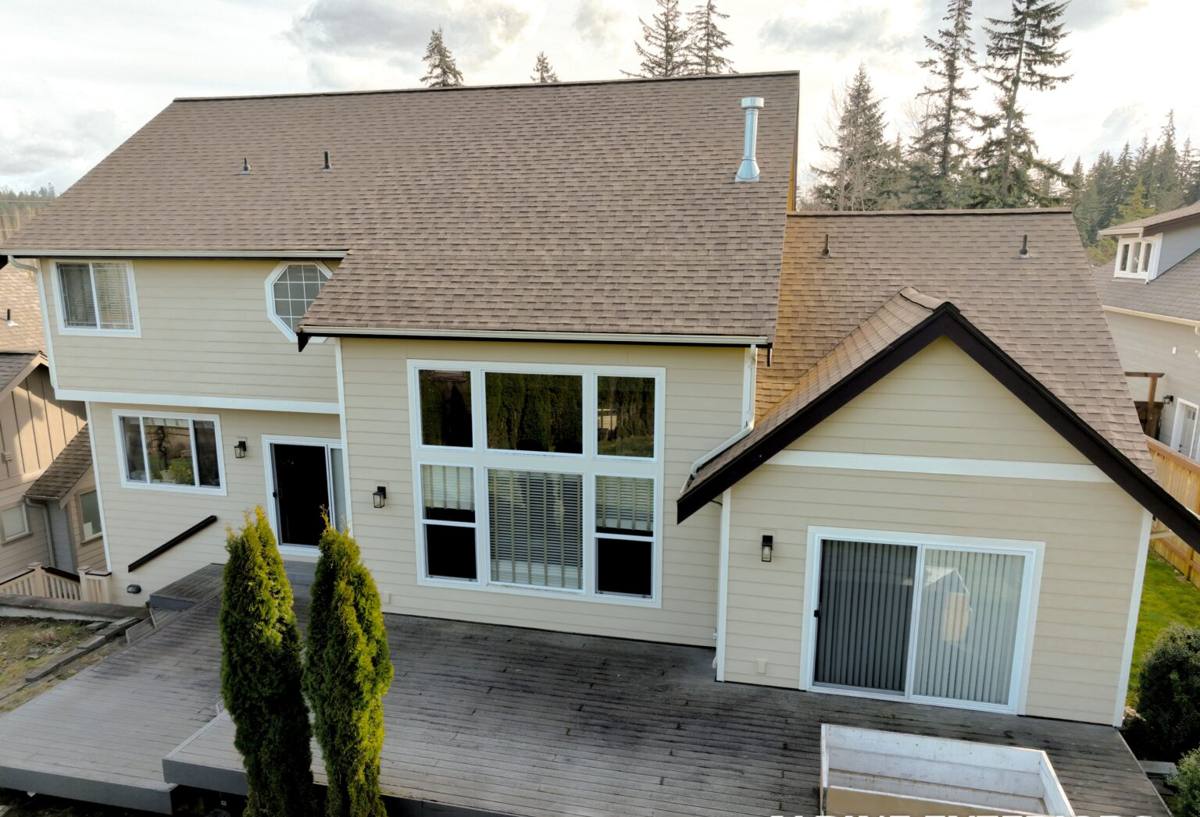
What Pinellas County Weather Does to Siding
St. Petersburg and the surrounding Pinellas County peninsula sit exposed to nearly everything Florida weather can throw at a house: hurricane-force wind gusts during tropical systems, intense year-round UV that doesn't let up in winter the way it does farther north, wind-driven rain that gets forced sideways into wall assemblies, and a steady dose of salt air off the Gulf and Tampa Bay. Kenneth City is inland enough to avoid direct storm surge, but it still takes the full brunt of wind, humidity, and UV that every Pinellas County property deals with.
Each of those factors attacks siding differently:
- Wind tests the fastening system and the substrate underneath it — siding that isn't nailed to spec, or installed over compromised sheathing, is what comes loose or peels in a storm.
- UV breaks down pigments and resins in lower-grade coatings over years of direct exposure, leading to fading, chalking, and eventual surface breakdown.
- Wind-driven rain finds any gap in flashing, caulk joints, or panel laps and drives moisture behind the cladding, where it can sit against sheathing and framing.
- Salt air accelerates corrosion of fasteners and trim hardware and speeds up the breakdown of organic materials like wood and some composite products.
None of this is unique to Kenneth City — it's Pinellas County as a whole — but it's the baseline every siding decision here has to account for.
Why This Matters More for Older Kenneth City Homes
Many homes in this area were built before current wind-load and moisture-barrier standards were common practice. When we open up a wall during a siding tear-off, we frequently find house wrap that's degraded, sheathing with soft spots from years of slow moisture intrusion, or no proper drainage plane at all. Installing new siding — of any brand — directly over that kind of substrate just locks the problem in behind a fresh face. Correct installation starts with what's underneath the siding, not just the siding itself.
Why We Only Install James Hardie
We've made a deliberate decision not to install vinyl siding, LP SmartSide, Cemplank, Allura, or primed wood products like spruce or cedar. Each of those has legitimate uses and each has honest customers who like them — but for a coastal Pinellas County climate, we don't think they hold up as well as fiber cement over the long run, and we'd rather turn down work than install something we don't believe in.
- Vinyl siding is affordable and low-maintenance, but it's a petroleum-based product that softens and can deform in sustained high heat, and it's more vulnerable to cracking or blowing off in high wind events than a properly fastened fiber cement panel.
- Wood-based composite siding (LP SmartSide) uses an engineered wood strand core. It performs well in many climates, but any wood-based product is more sensitive to sustained humidity and moisture intrusion than fiber cement — and Pinellas County humidity rarely lets up.
- Other fiber cement brands (Cemplank, Allura) are legitimate fiber cement products and share some of Hardie's core advantages. Our decision to stick with Hardie specifically comes down to their climate-engineered HZ5 formulation for humid regions, their factory-applied ColorPlus finish, and the strength of their transferable warranty program — not a claim that competing fiber cement is unsafe or defective.
- Primed spruce or cedar looks great initially but requires an ongoing paint and caulk maintenance cycle to keep moisture out, which is a hard ask in a climate this humid and sun-intense.
James Hardie's HZ5 product line is formulated specifically for humid, high-moisture climates like ours. The ColorPlus factory finish is baked on under controlled conditions rather than field-painted, which gives it better UV and fade resistance than most site-applied paint jobs, and it carries a stronger, better-documented warranty than most of the alternatives we've evaluated. It's also non-combustible, which matters in a state where dry-season brush fires and lightning strikes are a real, if secondary, risk.
What Correct Installation Actually Involves
Fiber cement siding is only as good as the assembly it's installed over. A rushed or undertrained crew can install genuine James Hardie product and still leave a house vulnerable to the exact wind and moisture problems the material is supposed to solve. Here's what we consider non-negotiable on every Kenneth City job:
Tear-Off and Substrate Inspection
We remove the old siding down to the sheathing and inspect it before anything new goes up. Soft, water-damaged, or delaminated sheathing gets replaced — not covered over. This is the step that gets skipped most often on cut-rate jobs, and it's the one that determines whether the new siding actually lasts.
Weather-Resistive Barrier
A new, correctly lapped house wrap or building paper goes down as the drainage plane, with proper overlap at seams and around every penetration — outlets, hose bibs, vents, and fixture mounts.
Flashing at Every Penetration
Windows, doors, vents, and any wall penetration get flashed to shed water outward, not into the wall cavity. This is where most real-world moisture failures actually originate, far more often than through the siding panels themselves.
Fastening to Manufacturer and Wind-Zone Spec
Panels are fastened per James Hardie's published requirements for our wind zone — correct fastener type, spacing, and embedment. This is what keeps siding on the wall during tropical-storm-force gusts, and it's the step that separates a code-minimum install from one built for the coast.
Joint Treatment and Caulking
Butt joints, trim transitions, and terminations are sealed with a high-quality, paintable sealant rated for exterior use — not a quick bead of whatever's on the truck.
Finish and Trim Detail
Corner boards, trim, and soffit transitions are finished so water sheds away from every joint, not just so the wall looks finished from the street.
Our Process for a Kenneth City Project
- On-site assessment. We walk the exterior, check for soft spots and existing moisture damage, and talk through what we're seeing with you directly.
- Written scope and product selection. We go over Hardie board profiles, textures, and ColorPlus color options, and put together a clear written scope — no verbal-only estimates.
- Tear-off and substrate repair. Old siding comes off, damaged sheathing gets replaced, and we don't move forward until the substrate is sound.
- Weather barrier and flashing installation. New drainage plane and flashing go in before a single piece of siding is hung.
- Hardie panel installation. Installed to manufacturer spec and our regional wind zone requirements.
- Trim, caulking, and final finish. Every joint and transition detailed for long-term water management.
- Walkthrough. We go over the finished work with you before we consider the job done.
Why a Crew That Already Works Kenneth City Matters
We're based in St. Petersburg and work Kenneth City and the surrounding Pinellas County neighborhoods regularly, which means a few practical things for you as a homeowner. We're familiar with the age and construction patterns common to homes in this specific area, so we're not guessing at what's likely hiding behind the old siding. We understand local wind-load and building code requirements without having to research them from scratch. And because we're local, warranty service and follow-up calls aren't a multi-hour drive for us — we're already in the neighborhood.
Cost Factors to Understand Before You Get a Quote
Every Kenneth City home is different, so we won't quote a number without seeing the house, but these are the variables that actually move a siding estimate:
| Factor | Why It Matters |
|---|---|
| Substrate condition | Water-damaged sheathing found during tear-off adds repair scope beyond the siding itself |
| Home size and wall complexity | More corners, gables, and penetrations mean more labor and trim detail |
| Hardie product line and profile | Lap siding, shingle-style panels, and board-and-batten carry different material costs |
| ColorPlus vs. primed-for-paint | Factory-finished ColorPlus costs more upfront but eliminates a future painting cycle |
| Trim and accessory scope | Corner boards, window trim, and soffit work are often bundled with a full siding job |
| Access and site conditions | Setbacks, landscaping, and structure height affect labor time |
Signs Your Kenneth City Home Needs New Siding
- Panels that are cupping, warping, or visibly separating from the wall
- Soft or spongy spots when you press on the siding, especially near the bottom courses
- Paint that's persistently peeling or bubbling despite recent repainting
- Visible gaps at trim, corners, or window and door frames
- A musty smell or discoloration on interior walls that back up to exterior siding
- Siding that's more than 20-25 years old, regardless of visible condition
Maintenance After Installation
One of the practical advantages of James Hardie with a ColorPlus finish is how little upkeep it needs compared to wood or vinyl. It doesn't require repainting on the schedule wood siding does, and it holds up to salt air and UV better than most alternatives we've worked with. That said, we still recommend an annual rinse-down to clear salt residue and pollen buildup, a periodic check of caulked joints for cracking, and prompt attention to any impact damage — from debris in a storm, for instance — so it doesn't become an entry point for moisture.
If your Kenneth City home's siding is showing its age or you're planning ahead of the next storm season, we're happy to come take a look and give you a straightforward, no-pressure estimate. There's no cost and no obligation — just an honest assessment of what your home actually needs.