 St. Petersburg Roofing
 Shore Acres Sits Right in the Path of Everything Tampa Bay Throws at It
Shore Acres is one of the more exposed neighborhoods in St. Petersburg when it comes to weather. It's a low-lying, canal-laced community with water on multiple sides, which means homes here catch salt-laden air, storm surge risk, and wind off the bay in a way that houses further inland simply don't experience. If you own a home in Shore Acres, your siding isn't just a cosmetic layer — it's part of what keeps humidity, wind-driven rain, and salt out of your walls year after year.
A lot of the housing stock in this part of Pinellas County dates back to the mid-20th century, and many of those homes are still wearing siding that was never engineered for Gulf Coast conditions. When it's time to replace it, the material and the installation both matter more here than they would in a milder climate.
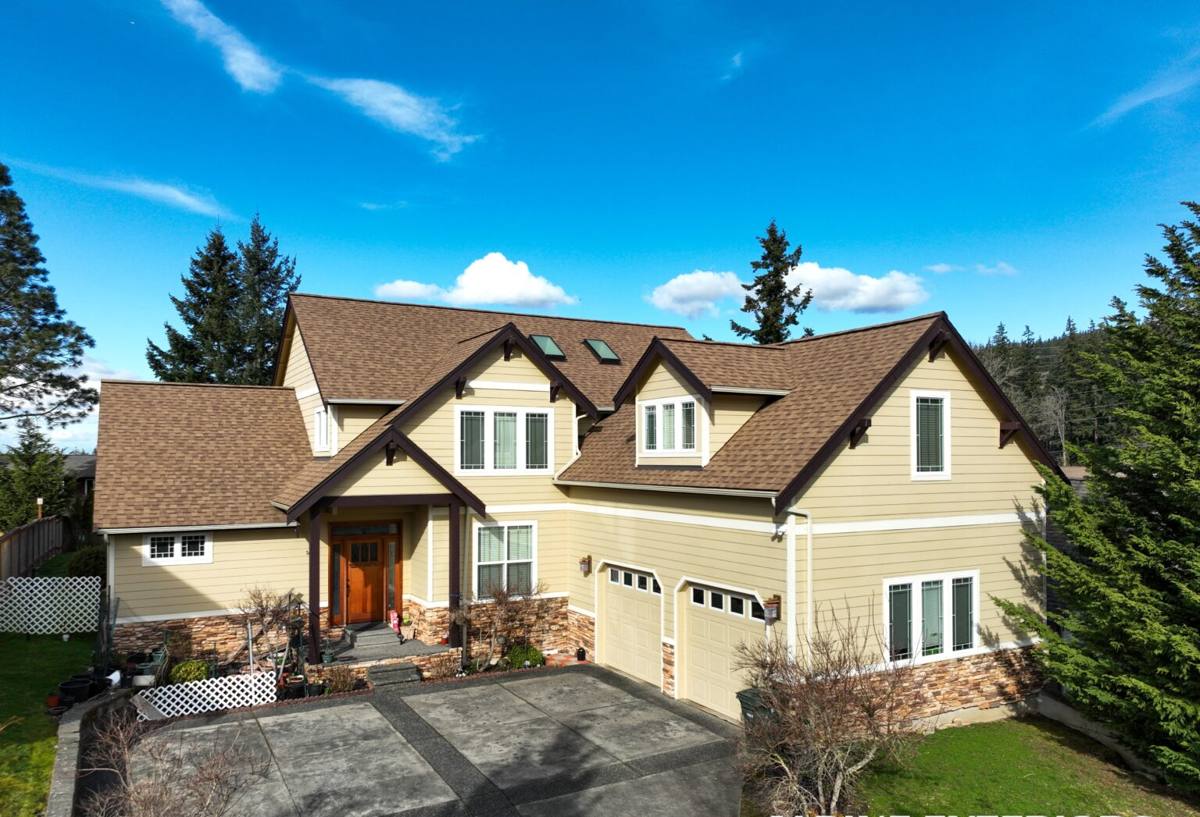
What Actually Wears Out Siding in This Part of Pinellas County
UV exposure, nearly year-round
St. Petersburg gets strong, consistent sun for most of the year. That constant UV load fades color, dries out caulk and sealants, and stresses any siding material that relies on a surface coating rather than a factory-cured finish. Paint jobs that would last a decade in a cooler climate often need attention in half that time here.
Wind-driven rain
It's not just rainfall totals — it's the direction and force it arrives with during a squall or tropical system. Wind-driven rain gets pushed sideways into laps, seams, and trim joints that would stay dry in a calm rain. Siding and flashing details that aren't built for that kind of intrusion let moisture behind the cladding, where it causes damage you can't see until it's already serious.
Salt air
Being close to open water means airborne salt settles on exterior surfaces constantly, not just after a storm. Salt accelerates the breakdown of fasteners, coatings, and some composite materials, and it's a big part of why products that perform fine 50 miles inland don't hold up the same way in Shore Acres.
Hurricane-season wind loads
Pinellas County sits in a designated high-velocity wind zone under the Florida Building Code, and siding here has to be rated and fastened accordingly. Loose, poorly fastened, or under-spec siding is one of the first things to fail in sustained wind — and once it starts peeling, wind gets underneath the rest of the wall system fast.
Signs Your Siding Has Reached the End of Its Useful Life
Repairs make sense for isolated damage. Full replacement makes sense once the underlying material or installation is failing broadly. Signs worth taking seriously include:
- Soft, spongy, or crumbling spots anywhere on the siding, especially near the bottom courses or around windows
- Visible warping, buckling, or panels that have pulled away from the wall
- Paint that's failing evenly across large sections rather than one weathered side
- Persistent moisture, mold, or a musty smell along interior walls that back up to exterior siding
- Cracked or missing caulk at seams and trim that keeps reopening after you reseal it
- Siding that's original to a home built decades ago and has already been patched more than once
Why We Only Install James Hardie Fiber Cement
Homeowners in Shore Acres get quoted a range of siding materials — vinyl, engineered wood products like LP SmartSide, and fiber cement. We made the decision years ago to install James Hardie exclusively, and it comes down to how each material actually behaves in a hot, humid, salt-exposed, hurricane-prone climate over the long haul.
Vinyl is inexpensive and easy to install, but it's a thin plastic product that softens, warps, and can crack in high heat and direct sun — conditions Shore Acres has in abundance. It also has lower wind-resistance ratings than fiber cement in most profiles, which matters in a Florida Building Code wind zone. Engineered wood siding products use a wood-strand core with a resin coating; they perform reasonably well when the coating stays fully intact, but any breach at a cut edge, fastener hole, or seam lets moisture into the wood substrate, and once that starts, deterioration doesn't reverse itself. In a climate with this much humidity and wind-driven rain, that's a real long-term risk we're not willing to install and stand behind.
Fiber cement, done correctly, doesn't have those failure modes. It's non-combustible, dimensionally stable in heat, resistant to moisture-driven rot, and holds paint and factory finishes far longer than vinyl or wood-based products. That's the honest trade-off analysis that led us to standardize on one product line rather than offer several and let cost be the deciding factor.
The Hardie System Built for This Exact Climate
HZ10 engineering
James Hardie manufactures its siding in different formulations for different climate zones under what it calls the HardieZone system. Pinellas County falls in the hot, humid zone, which calls for the HZ10 formulation — engineered specifically to resist the moisture cycling and humidity that a Gulf Coast climate produces year-round. This isn't a marketing distinction; it affects how the product is manufactured to hold up where you live.
ColorPlus factory finish
Rather than painting siding on-site, Hardie bakes color onto the boards at the factory under controlled conditions, producing a more even, UV-resistant, and durable finish than field-applied paint. In a market with St. Petersburg's sun exposure, that finish is a meaningful part of why the siding still looks right years after installation.
Product lines we work with
Depending on the look you want, that can mean HardiePlank lap siding for a traditional horizontal profile, HardiePanel for a more modern vertical look, HardieShingle for a textured, dimensional style, or HardieTrim to finish out corners, fascia, and window and door surrounds. All of them share the same core material and finish system.
The warranty
Hardie backs its siding with a long, transferable limited product warranty — one of the stronger warranty structures in the fiber cement category — which matters if you plan to sell the home down the road; a documented, transferable warranty on the exterior is something buyers and their inspectors notice.
What a Correct Installation Actually Involves
Material choice only gets you half the way there. Fiber cement siding installed wrong will still let water in, and in a wind zone like this, it can fail structurally. A correct job on a Shore Acres home involves:
- Full removal of the old siding and inspection of the sheathing underneath for hidden rot or moisture damage before anything new goes up
- Repair or replacement of any compromised sheathing — covering over damaged substrate is one of the most common corners cut in this trade
- Installation of a weather-resistive barrier and proper flashing at every window, door, and penetration, oriented to shed wind-driven rain rather than trap it
- Fastening to the manufacturer's specification and the local wind-zone requirements under the Florida Building Code — spacing, fastener type, and penetration depth all affect wind performance
- Correct clearances from grade, roofline, and other flashing so water has somewhere to go instead of wicking into the bottom edge of the siding
- Properly sized gaps and compatible sealants at seams and trim, since over-caulking or under-caulking both cause problems in a high-UV, high-moisture climate
Our Process, Start to Finish
- On-site assessment — we walk the home, check the existing siding and sheathing condition, and talk through what's driving the replacement
- Written estimate — a clear scope and price range based on square footage, profile choice, trim complexity, and any sheathing repair we expect to find
- Product and color selection — choosing the Hardie profile and ColorPlus finish that fits the home
- Permitting — pulling the required permit through the City of St. Petersburg before work starts
- Tear-off and substrate repair — removing old material and addressing any damage found underneath
- Installation — barrier, flashing, and siding installed to manufacturer and code specification
- Final walkthrough — reviewing the finished work with you and confirming everything meets the agreed scope
- Cleanup — removing debris and old material from the property
What Drives the Cost of a Siding Replacement Here
Every home is different, but the same factors tend to move the price up or down on Shore Acres jobs:
| Factor | Why it matters |
|---|---|
| Home size and story count | More square footage and second stories mean more material and more labor, including staging for taller walls |
| Sheathing condition | Hidden moisture damage found during tear-off adds repair scope that can't be fully priced until the old siding is off |
| Siding profile and trim detail | Lap siding is generally more straightforward than shingle-style or homes with extensive trim and architectural detail |
| Color | Standard ColorPlus colors are typically more cost-efficient than custom or premium finish options |
| Site access | Canal-front lots, tight side yards, and fencing can affect how easily material and equipment move around the house |
| Permitting requirements | Wind-zone fastening and inspection requirements are part of doing the job to code, not an optional add-on |
We won't quote a firm number without seeing the home, but we'll always walk you through which of these factors apply before work starts, not after.
Why It Matters That We Already Work in Shore Acres
A crew that's worked this neighborhood before knows what to expect before the tear-off even starts. That includes the age and construction of the typical Shore Acres home, the kind of moisture and sheathing issues that show up on canal-front and low-lying lots, and how to stage a job on properties where yard access can be tight. It also means familiarity with St. Petersburg's permitting process and the wind-zone requirements that apply specifically to Pinellas County, so inspections don't become a source of delay.
Just as importantly, a contractor with ongoing presence in the area is one you can actually reach a year or five years later if a warranty question comes up — not a crew that worked the neighborhood once during a post-storm rush and moved on.
If your siding is showing its age or you're planning ahead of the next hurricane season, we're happy to take a look and give you a straight, no-pressure estimate — use the form below to get started.