 St. Petersburg Roofing
 Siding Repair Built for How Historic Kenwood Actually Weathers
Historic Kenwood is one of St. Petersburg's older residential neighborhoods, with a housing stock that leans heavily on early-to-mid 20th-century bungalow and Craftsman-style construction. Homes of this era were built with narrow-reveal lap siding, deep eaves, and trim details meant to be seen up close — which is exactly why siding repair here can't be treated the same way you'd treat a newer subdivision home with flat, featureless walls. The profile, reveal, and trim proportions matter to how the house reads, and a repair that ignores that ends up looking like a patch instead of a fix.
Layered on top of that is what Pinellas County's climate does to any exterior wall over decades. Hurricane-force wind events drive rain sideways into every seam and joint. Year-round UV breaks down paint film and any siding material that isn't engineered to resist it. Salt air drifting in off the surrounding water corrodes fasteners, trim, and hardware faster than it would inland. None of this is unique to Kenwood, but on a neighborhood full of older homes with decades of prior paint jobs, patch repairs, and in some cases legacy materials, the cumulative effect shows up sooner and more visibly than it does on newer construction.
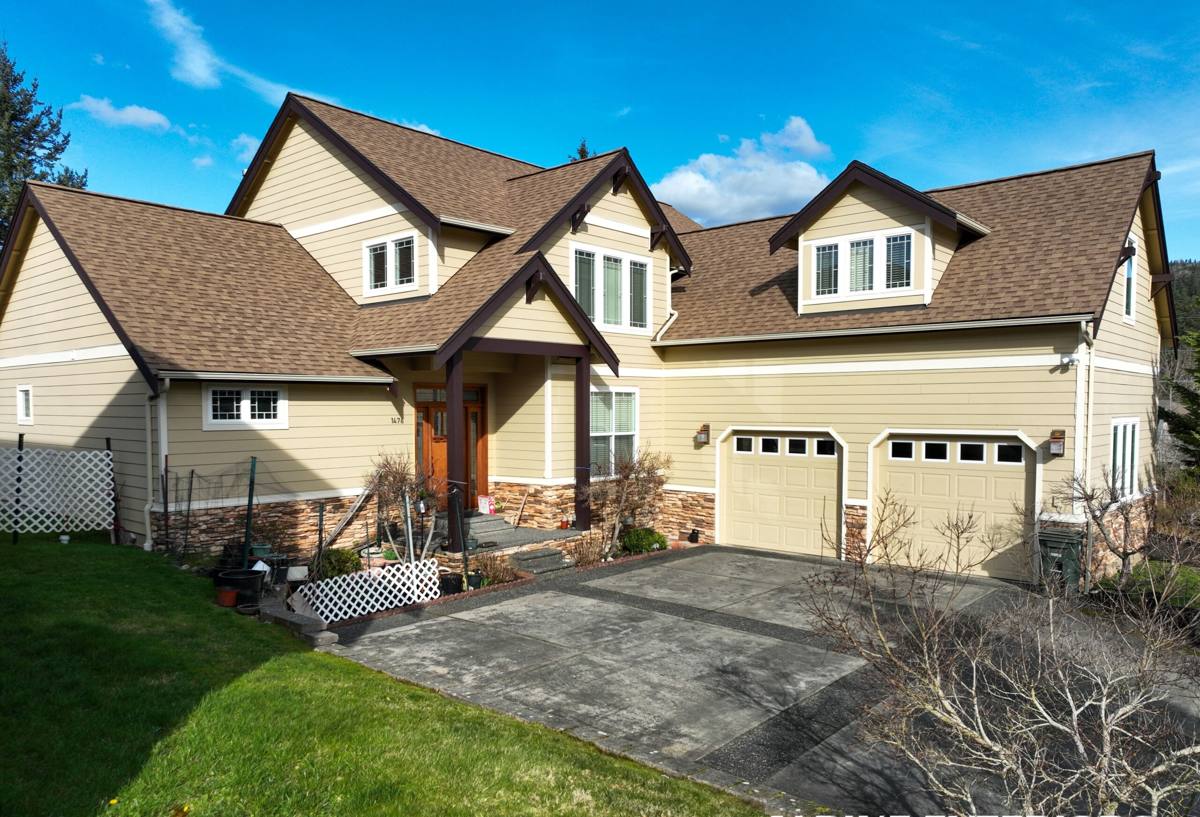
Common Siding Problems We See in Historic Kenwood
Wind-Driven Rain and Moisture Intrusion
The most common failure point isn't the siding face — it's what's happening behind it. Wind-driven rain finds its way behind loose boards, failed caulk joints, and old nail holes, and once moisture gets trapped against sheathing or framing, it doesn't dry out quickly in Florida's humidity. On older homes, this often shows up as soft spots, visible cupping or bowing, or paint that bubbles and peels in a pattern that traces the underlying moisture path rather than just sun exposure.
UV Breakdown and Chalking
Constant sun exposure degrades paint film and, depending on the material, the substrate underneath it. On older wood siding this typically means repeated repainting cycles as the surface chalks and thins. On more modern replacement materials installed without a factory-cured finish, UV exposure can cause fading and surface breakdown well before the rest of the wall shows its age.
Salt Air Corrosion
Being close enough to the water to feel salt air in the wind means fasteners, flashing, and any exposed metal trim corrode faster than they would further inland. On siding repairs, this shows up as rust streaking below nail heads, corroded trim fasteners, and — on homes with older aluminum siding or trim — pitting and discoloration that no amount of repainting fully hides.
Legacy Repairs and Mismatched Materials
Because these homes have been repaired multiple times over the decades, it's common to find two or three generations of siding material and profile stacked on one wall — original wood siding under a layer of old aluminum, or a mismatched replacement panel from a repair that prioritized speed over match. Every one of those transitions is a place where water can get behind the assembly if it wasn't detailed correctly.
What a Correct Siding Repair Actually Involves
Diagnosis Before Demolition
A repair that starts with pulling boards before understanding why they failed usually just recreates the same problem in a few years. We check for the moisture source first — is it wind-driven rain getting past a failed joint, a gutter or flashing issue dumping water onto the wall, or trapped moisture from a previous repair that sealed in more than it kept out? Fixing the siding without fixing the cause is a temporary patch, not a repair.
Matching Profile and Reveal
On a home where the siding is visible up close and the proportions were part of the original design intent, a repair section that uses the wrong reveal width or a slightly different plank profile stands out immediately, especially once the paint ages differently between old and new sections. Getting this right means measuring the existing reveal and matching lap siding profile before ordering material, not after.
Water Management Details
Correct flashing at every horizontal joint, window and door head, and wall penetration is what actually keeps wind-driven rain out — the siding face is the visible layer, but the flashing and house wrap behind it do the real work. Any repair that skips this step because "the old siding didn't have it" is repeating a mistake, not preserving original construction.
Fastening for Local Wind Exposure
Siding on a coastal Pinellas County home needs to be fastened to hold up under sustained wind loads and gusts, not just look secure on a calm day. That means correct fastener type, spacing, and penetration depth for the wind exposure category the home sits in — details that get skipped on quick patch jobs but matter every time a storm comes through.
Why We Repair With James Hardie Fiber Cement
When a repair calls for replacing a damaged section rather than patching it, the material choice matters as much as the workmanship. We install and repair with James Hardie fiber cement siding exclusively — we don't install vinyl, LP SmartSide, or bare wood siding, and we won't recommend them for a repair either. Here's the honest reasoning, not a sales pitch:
- Vinyl can warp and distort under sustained direct sun exposure and doesn't hold up structurally the way fiber cement does under wind-driven rain and hurricane-force gusts.
- Bare or primed wood siding looks right on an older bungalow but demands a repainting cycle every few years to fight UV breakdown and moisture intrusion — a maintenance burden that only gets worse the closer a home sits to salt air.
- James Hardie fiber cement is non-combustible, engineered in HZ product lines specifically for high-humidity, high-moisture climates like Florida's, and finished at the factory with ColorPlus technology that resists fading far longer than field-applied paint.
Hardie's lap siding profiles come in reveals and textures that match traditional wood-look siding closely enough to blend into an older streetscape, which matters on a home where the original proportions are part of the character. It also carries a strong transferable warranty when installed to manufacturer spec — something that matters on a repair, since a poorly installed patch can void warranty coverage on the rest of the wall.
Choosing the Right Scope of Repair
Not every siding problem in Kenwood needs the same level of intervention. Part of doing this correctly is being honest with a homeowner about what the damage actually calls for, rather than defaulting to the most expensive option.
| Approach | Best For | What It Involves |
|---|---|---|
| Spot Repair | Isolated damage — a few damaged boards, impact damage, or a small area of rot | Removing and replacing the affected boards, matching profile and paint, resealing joints |
| Section Replacement | A full wall face or elevation with widespread moisture damage or legacy material mismatches | Stripping the section to sheathing, correcting flashing and house wrap, installing new Hardie siding to match adjacent walls |
| Full Re-Side | Homes where multiple elevations show age-related failure or where prior repairs have compounded moisture problems | Complete removal of existing siding, full moisture barrier and flashing correction, whole-house Hardie installation |
The right call depends on how far the moisture damage has actually spread once we open the wall up — which is why an honest inspection matters more than a quick estimate from the curb.
Our Process for Kenwood Siding Repairs
- Inspection and diagnosis — we identify the moisture source and the actual extent of damage, not just what's visible from the ground.
- Scope and material plan — we recommend spot repair, section replacement, or full re-side based on what we find, and match Hardie profile and color to the existing siding.
- Protection of the property — landscaping, walkways, and adjacent surfaces are protected before any removal starts.
- Correct tear-out — damaged material and any compromised sheathing or house wrap are removed down to sound substrate.
- Water management first — flashing, house wrap, and joint details are corrected before a single new board goes up.
- Installation to spec — Hardie siding installed with correct fastener spacing, reveal, and clearances per manufacturer requirements.
- Finish and cleanup — caulking, touch-up finish work, and full site cleanup before we call the job done.
Why Local Experience in Kenwood Matters
A crew that only shows up in this neighborhood once in a while is guessing at things a crew that works here regularly already knows. That includes which wall orientations take the worst of the wind-driven rain given the surrounding tree cover and lot layout, how older Kenwood homes tend to be framed and sheathed under the siding, and what condition to expect when you pull back sixty-plus years of paint and prior repairs. It also means knowing how to work respectfully on a block where the character of the house next door is part of what makes the neighborhood worth living in — matching trim details and paint sheen instead of leaving a repair that looks obviously bolted on.
Working in and around St. Petersburg and Pinellas County day to day also means staying current on local wind exposure requirements and permitting expectations, so a repair doesn't just look right but is actually built to hold up the next time a named storm tracks through the area.
Signs Your Kenwood Home's Siding Needs Attention Now
- Soft, spongy, or bowing sections when pressed by hand
- Paint bubbling, peeling, or cracking in a pattern that follows joints or seams
- Visible gaps or separation at butt joints and corners
- Rust streaking below nail heads or corroded trim fasteners
- Sections that look or feel like a different material or profile than the rest of the wall
- A musty smell or visible staining on interior walls that share an exterior wall with damaged siding
If you're seeing any of these on a Kenwood home, the sooner it's looked at, the more likely the fix is a repair rather than a full re-side. We'd be glad to take a look and give you a straight answer — reach out for a free, no-pressure estimate and we'll walk the property with you before recommending anything.