 St. Petersburg Roofing
 Why Roofs in Kenneth City Wear Out on a Predictable Timeline
Kenneth City sits inland enough from Tampa Bay to avoid direct beachfront exposure, but it's still well within the reach of salt-laden air, intense sun, and the wind and rain that come through Pinellas County every year. A roof here doesn't fail randomly — it fails in a fairly predictable pattern driven by three things: UV load, moisture cycling, and wind stress. Understanding that pattern is the difference between replacing a roof on your terms and replacing it after an emergency.
Florida sun is intense nearly year-round, and asphalt shingles in particular take a beating from constant UV exposure. The oils in the asphalt dry out over time, granules loosen and wash off in the gutters, and the shingle mat becomes brittle. A roof that would last three decades in a milder climate often shows real wear well before that mark here. Add in wind-driven rain during summer storms and hurricane season, and any weak point — a lifted shingle tab, a nail that's backed out, aging flashing — becomes a path for water intrusion. Salt air, even at a few miles inland, accelerates corrosion on exposed metal: fasteners, drip edge, vent stacks, and flashing all corrode faster here than they would away from the coast.
None of this means every roof in Kenneth City needs replacing on a fixed schedule. It means the signs of aging show up earlier than homeowners moving from other regions might expect, and it means the materials and installation details matter more here than they do in a drier, calmer climate.
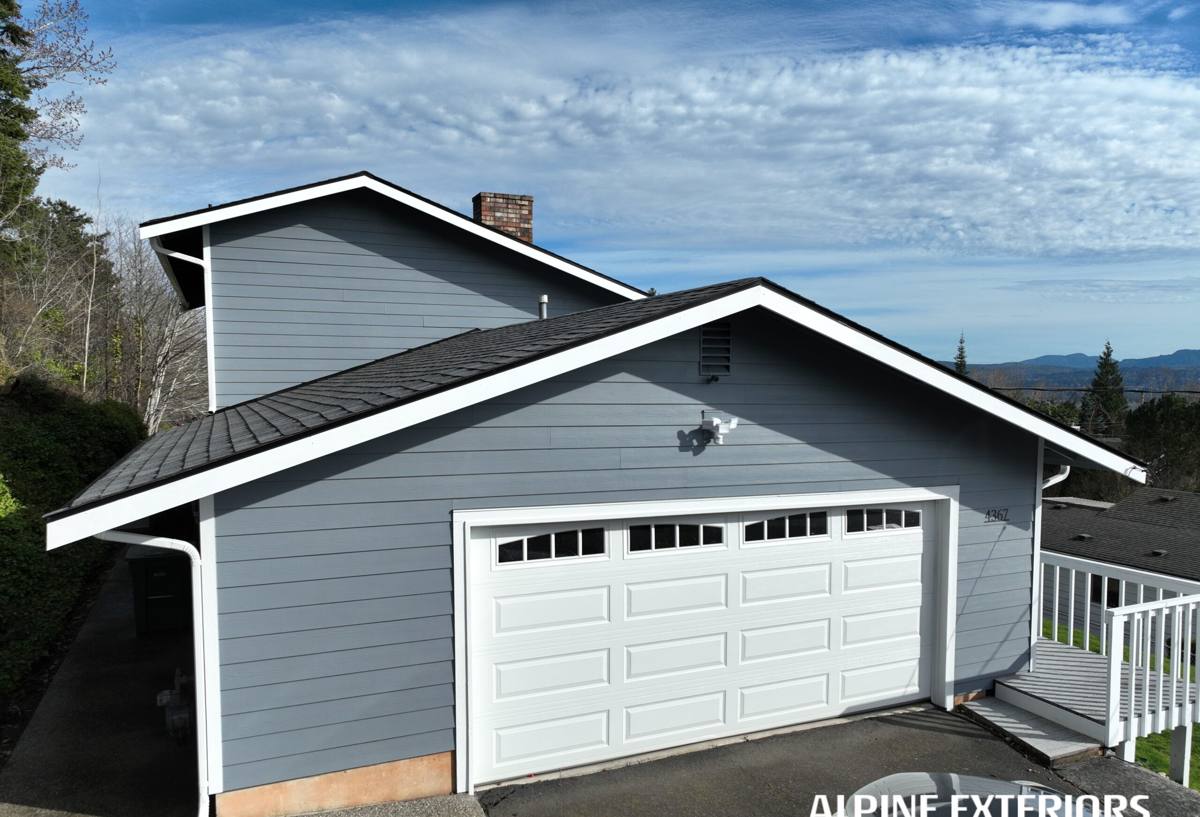
Signs a Repair Won't Cut It Anymore
Not every roofing problem calls for a full replacement, and a contractor who's honest with you will tell you when a repair still makes sense. But there's a point where patching stops being the economical choice. Watch for these signs:
- Granule loss heavy enough that shingles look patchy or bald, especially on south- and west-facing slopes that take the most sun
- Shingles that are cupping, curling at the edges, or cracking when walked on
- Multiple past repairs in different areas of the roof rather than one isolated spot
- Soft spots in the decking, staining on interior ceilings, or a musty smell in the attic
- Visible daylight through the roof deck from inside the attic
- A roof nearing or past the manufacturer's expected lifespan for this climate, regardless of how it looks from the ground
- Difficulty getting affordable insurance coverage or a wind mitigation discount because of roof age or condition
That last point matters more in Pinellas County than in a lot of places. Insurers here pay close attention to roof age and roof condition, and a roof past a certain age can trigger higher premiums or coverage restrictions even if it isn't actively leaking.
What a Correct Roof Replacement Actually Involves
A roof replacement is more than stripping old shingles and nailing down new ones. Done right, it's a full system rebuild, and skipping steps is exactly how a new roof ends up with the same problems as the old one, just delayed a few years.
Full Tear-Off, Not a Layover
We remove the existing roofing material down to the deck rather than installing over it. That lets us actually see what's underneath — and it's the only way to catch deck damage before it becomes a bigger problem.
Deck Inspection and Repair
Years of moisture exposure, especially around old flashing or valleys, can rot or delaminate the plywood or OSB decking underneath. Any soft, water-damaged, or delaminated sections get cut out and replaced before anything new goes down. Installing new roofing over a compromised deck is a shortcut that shows up as a problem later.
Underlayment Built for Wind-Driven Rain
Standard felt underlayment has its place, but for this climate we generally recommend a synthetic or self-adhering underlayment, particularly at eaves, valleys, and around penetrations, where wind-driven rain is most likely to find a way in. This layer is your backup protection if wind ever lifts a shingle edge.
Flashing Done Properly
Flashing around chimneys, skylights, walls, and vent penetrations is one of the most common failure points on any roof, and it's one of the most commonly rushed steps in a cheap installation. New flashing, correctly lapped and sealed, is not optional on a replacement.
Ventilation That Matches the Attic
A hot, poorly ventilated attic shortens shingle life from underneath, not just from sun exposure above. Balanced intake and exhaust ventilation keeps attic temperatures more reasonable and helps the new roofing material last through its expected lifespan.
Wind-Rated Fastening
Nail pattern, nail length, and fastening method all affect how well a roof holds up under wind uplift. Florida Building Code sets minimum standards for this, and we install to meet or exceed them rather than treating fastening as a step to move through quickly.
Material Options for Kenneth City Homes
Most homes in this part of Pinellas County are roofed in asphalt shingles, with tile and metal also common depending on the age and style of the house. Each has real trade-offs worth understanding before you choose.
| Material | Typical Lifespan Here | Wind Performance | Maintenance Notes |
|---|---|---|---|
| Architectural asphalt shingle | 18–25 years | Good, with proper nailing and wind-rated products | Moderate; periodic inspection for granule loss and lifted tabs |
| 3-tab asphalt shingle | 12–18 years | Lower wind rating than architectural | Shorter lifespan in intense UV; largely phased out for new installs |
| Standing seam metal | 40–50+ years | Excellent when properly installed | Low; occasional fastener and sealant checks |
| Concrete or clay tile | 40–50+ years for the tile itself | Very good, weight helps resist uplift | Underlayment typically needs replacement well before the tile does |
Asphalt shingles remain the most common choice because of cost and the wide range of wind-rated products now available. Metal has grown more popular for its longevity and lower maintenance, though it's a bigger upfront investment. Tile lasts a long time, but homeowners are sometimes surprised to learn the tile itself often outlasts the underlayment beneath it — meaning a "tile roof replacement" down the road may really be an underlayment replacement with the existing tile reset, which is a different and often more affordable scope than a full retile.
We don't push one product line as a one-size-fits-all answer. The right call depends on your roof structure, your budget, how long you plan to stay in the home, and what you want from maintenance going forward — and we'll walk through the honest trade-offs of each with you rather than steering you toward whatever's easiest for us to install.
Permits, Code, and Wind Mitigation in Pinellas County
Roof replacements in Pinellas County require a permit and inspection, and the work has to meet current Florida Building Code wind-resistance requirements, which are stricter than in a lot of the country given the state's hurricane exposure. We handle the permitting and coordinate inspections as part of the job — that's not an extra step you should have to manage yourself.
A new roof is also the natural time to get a wind mitigation inspection done. That inspection documents features like roof shape, roof-to-wall attachment, and secondary water resistance, and it can meaningfully lower your homeowners insurance premium. If you haven't had one done recently, it's worth doing right after a replacement while the new construction details are fresh and documented.
Our Roof Replacement Process
- On-site inspection and estimate. We look at the current roof, the attic, and the deck where accessible, and give you a clear, written estimate — no pressure, no guesswork pricing.
- Material selection. We go over the options that make sense for your home, budget, and how long you plan to own it.
- Permitting. We pull the required Pinellas County permit before work starts.
- Tear-off and deck inspection. Old material comes off, the deck gets inspected, and any damaged sections are repaired.
- Underlayment, flashing, and ventilation. The system underneath the finished roof goes in correctly, not just quickly.
- New roofing installation. Installed to current wind-rating standards for the product chosen.
- Cleanup and final walkthrough. We clear debris, including a magnetic sweep for stray nails, and walk the job with you before we call it done.
- Inspection and documentation. Final county inspection, plus paperwork you'll want on hand for insurance and wind mitigation purposes.
What Affects the Cost of a Roof Replacement
Every roof is priced based on its own specifics, but a few factors consistently move the number up or down. Broad ranges only — your estimate will reflect your actual roof.
| Factor | Why It Matters |
|---|---|
| Roof size and pitch | More square footage and steeper slopes mean more material and labor time |
| Number of layers to remove | Some older roofs have more than one layer of shingles, adding tear-off labor |
| Deck condition | Rotted or damaged decking sections add material and labor to replace |
| Material chosen | Asphalt, metal, and tile carry very different material and installation costs |
| Roof complexity | Valleys, dormers, chimneys, and skylights all add flashing work and time |
| Ventilation upgrades | Adding or improving intake/exhaust venting is a smart add-on, not always included in base pricing |
Asphalt shingle replacements on a typical single-family home in this area commonly run from the high single thousands into the mid five figures, depending on the factors above; metal and tile run higher. We'll never give you a real number without seeing the roof — anyone who quotes a full price over the phone sight-unseen isn't doing you a favor.
Why It Matters That We Already Work in Kenneth City
A crew that regularly works this specific community knows what to expect before the ladder goes up. Kenneth City's housing stock includes a lot of homes built decades ago, which means roof decks, ventilation setups, and roof shapes that are common here but less common in newer subdivisions elsewhere in the county. We've worked on roofs with these same construction patterns before, so we're not learning on your house.
Local familiarity also means we know the Pinellas County permitting process, we know how inspections here typically go, and we're not driving in from out of the area with a crew that disappears once the job wraps. If a question comes up two years down the road about workmanship or a warranty item, we're still local and still reachable.
Simple Ways to Extend Your New Roof's Life
A correct installation is the foundation, but a little ongoing attention keeps a new roof performing the way it should through Florida's climate:
- Have gutters cleaned regularly so water doesn't back up under the eaves during heavy rain
- Trim back overhanging branches that drop debris or scrape shingles in wind
- Schedule a visual roof check after any major storm, even if nothing looks obviously wrong
- Keep attic ventilation clear and unblocked by stored items or insulation
- Address small leaks or lifted shingles quickly rather than waiting for them to spread
- Keep your wind mitigation and permit documentation on file for insurance purposes
If your roof in Kenneth City is showing its age, or you'd just like an honest opinion on where it stands, we're glad to take a look. Reach out for a free, no-pressure estimate using the form below.