 St. Petersburg Roofing
 Windows Built for Shore Acres, Not Just "Florida"
Shore Acres sits close to the water, and that changes what a window has to survive day to day. It's not just heat — it's salt-laden air moving off Tampa Bay, humidity that never really lets up, intense UV exposure almost every month of the year, and the real chance of hurricane-force wind and wind-driven rain during storm season. A window that's rated fine for a drier, cooler climate can start showing problems here in a few years: hazy glass from failed seals, hardware that pits and sticks, frames that discolor or warp, and energy bills that creep up as the seals degrade. When we talk about "energy-efficient windows" for a Shore Acres home, we mean windows and an installation method chosen specifically for this environment — not a generic upgrade pulled from a catalog.
This page covers what that actually looks like: what the climate demands, what a correct installation involves, how we run the job, and why using a crew that already works this part of St. Petersburg matters more than people expect.
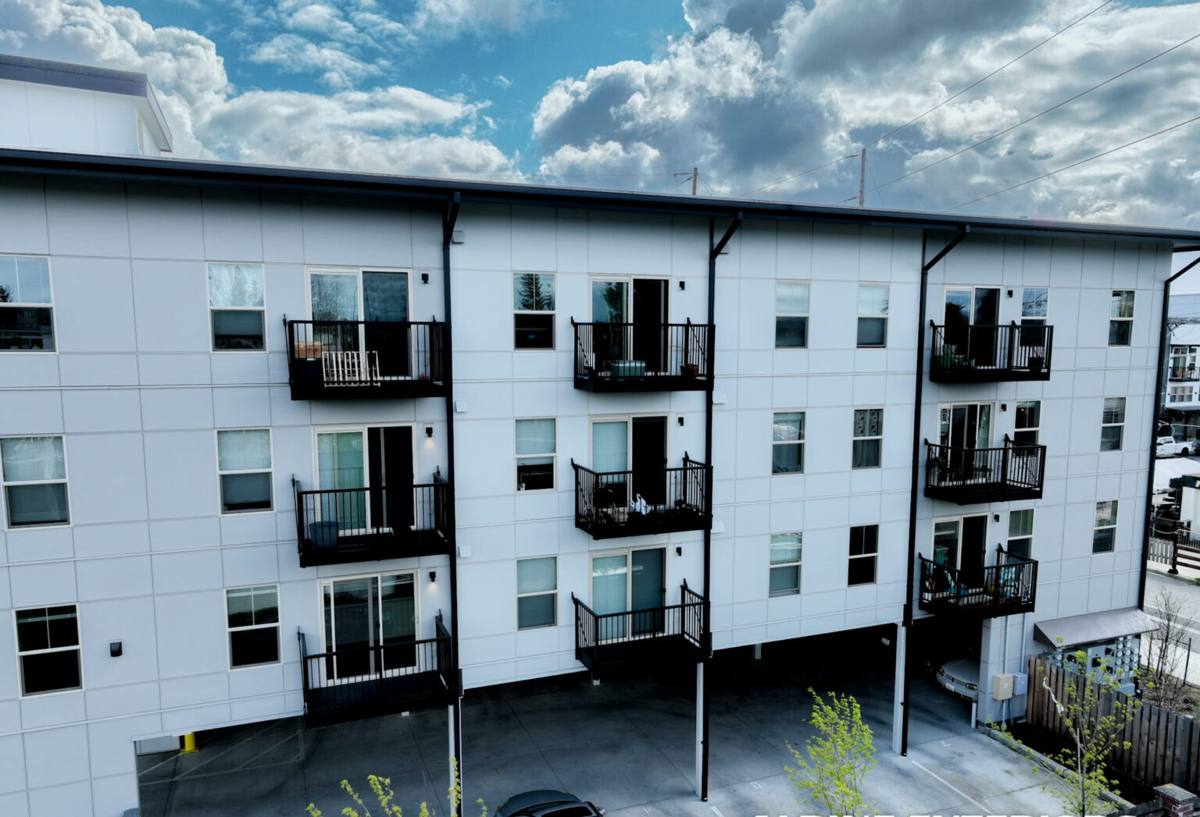
What Shore Acres Homes Are Up Against
Salt Air and Corrosion
Proximity to the bay means airborne salt settles on everything, including window frames, hardware, and fasteners. Over time, salt exposure accelerates corrosion on lower-grade metal components — hinges, cranks, locks, and screws — long before the glass itself fails. Homes closer to open water see this faster, but it affects the whole neighborhood to some degree.
UV and Heat Load
Pinellas County gets strong, direct sun for most of the year. Cheap or aging glass lets in more heat and UV than people realize, which shows up as faded flooring and furniture near windows and a bigger load on your air conditioning system. Glass package matters as much as frame material here.
Humidity and Moisture Cycling
Constant humidity means any gap in a window's seal or flashing becomes a slow moisture problem — condensation between panes, wood rot around frames, or mold starting inside wall cavities. Windows that look fine from the curb can be failing quietly behind the trim.
Wind and Wind-Driven Rain
Even outside of a direct hurricane hit, St. Petersburg gets tropical storms, squall lines, and wind-driven rain that tests every window's ability to stay sealed under pressure. A window that isn't rated and installed correctly for wind load can leak or fail well before it reaches its rated wind speed, especially if the surrounding wall flashing wasn't done right.
What "Energy-Efficient" Should Actually Mean Here
Energy efficiency in this climate isn't just about keeping heat out in summer — it's about keeping the whole assembly performing over years of salt, sun, and humidity. A few things we look at on every Shore Acres job:
- Low-E glass coatings that reduce solar heat gain without making the home feel dark inside
- Impact-rated or properly protected glazing appropriate for a Pinellas County wind zone, since impact-rated windows also tend to perform better against everyday wind and debris
- Corrosion-resistant hardware — cranks, locks, and fasteners rated for coastal exposure, not standard interior-grade parts
- Frame material suited to humidity and UV — vinyl and fiberglass frames generally hold up better than untreated wood in this climate without constant upkeep
- Proper flashing and sealant detailing at the rough opening, which matters as much as the window unit itself for keeping wind-driven rain out
None of this works if any one piece is wrong. A high-efficiency window installed with bad flashing will still leak. A well-flashed opening with cheap glass will still run your AC harder than it should.
Frame Material: Honest Trade-Offs
We get asked a lot whether vinyl, fiberglass, or aluminum is "best" for a home near the bay. The honest answer is that each has trade-offs, and the right choice depends on your budget, your home's style, and how much upkeep you want to do.
| Frame Material | How It Handles This Climate | Maintenance |
|---|---|---|
| Vinyl | Good resistance to salt corrosion and moisture; won't rot; performance depends on quality of the extrusion and reinforcement | Low — occasional cleaning, no repainting |
| Fiberglass | Very stable in heat and humidity, holds paint well, strong dimensional stability under UV exposure | Low to moderate |
| Aluminum | Strong for large openings but conducts heat unless thermally broken; needs a good coating to resist salt pitting | Moderate — watch for corrosion at coastal properties |
| Wood (uncoated) | Poor fit for high-humidity, coastal exposure without heavy maintenance; prone to swelling and rot over time | High — we generally steer homeowners away from bare wood this close to the bay |
We're not going to tell you a manufacturer's product is bad — most reputable window lines make a workable option in some material. Our job is to be straight with you about which materials hold up with the least fuss in a bay-adjacent Pinellas County neighborhood, and let you decide what fits your budget and your home.
What a Correct Installation Involves
Most window failures we get called out to fix in this area aren't because the window itself was bad — they're installation problems. A correct job includes:
- Removing the old window and inspecting the rough opening for existing rot, moisture damage, or prior flashing mistakes before anything new goes in
- Repairing or rebuilding the opening if damage is found — never installing a new window over a compromised frame
- Installing sill pan flashing and proper water management details so any water that gets past the window sheds outward, not into the wall
- Setting the window level, plumb, and square, with correct shimming so the frame isn't under stress that can crack seals over time
- Sealing and insulating the gap between the window and framing correctly — not just caulking the exterior trim and calling it done
- Finishing exterior trim and sealant in a way that's built to handle direct sun and wind-driven rain
Skip any of these steps and you can end up with a good window performing badly — fogging, drafts, or leaks — inside a couple of years.
Our Process for a Shore Acres Window Project
1. On-Site Assessment
We walk the home, check existing window condition, note any signs of past moisture intrusion, and talk through what you actually need — full replacement, select rooms, or a phased approach.
2. Product Selection Without the Pressure
We'll walk you through glass options, frame materials, and wind ratings appropriate for your home's exposure, and give you an honest read on what's worth spending more on and where you can save.
3. Measure and Order
Accurate measurements matter — an ill-fitting window is an installation problem waiting to happen. We measure carefully and confirm before ordering.
4. Installation
Our crew handles opening prep, flashing, setting, sealing, and finish work as one continuous process rather than handing pieces off between different trades.
5. Final Walkthrough
We check operation, seals, and finish work with you before we consider the job done.
Why a Crew That Already Works Shore Acres Matters
A window installer who mainly works inland jobs may not think twice about corrosion-resistant hardware or sill pan flashing — because most of their jobs don't punish shortcuts the way a bay-adjacent home does. A crew that regularly works in and around St. Petersburg's coastal neighborhoods already knows:
- Which hardware grades actually hold up against salt air versus which ones look fine for the first year and pit after that
- How local wind exposure and code requirements affect what glazing and framing make sense for your specific block
- What moisture problems tend to show up first in homes of this area's typical age and construction
- How to sequence work around Florida's rainy season without leaving openings exposed
That familiarity isn't marketing — it changes real decisions on the job, from flashing details to hardware specs, before a problem ever has a chance to start.
Cost Factors to Expect
Costs vary a lot based on window count, size, glass package, frame material, and whether opening repair is needed once we get the old window out. In broad terms, expect pricing to move with:
| Factor | Why It Affects Price |
|---|---|
| Impact-rated vs. standard glazing | Impact-rated glass and heavier frames cost more upfront but reduce or eliminate the need for separate storm protection |
| Frame material | Fiberglass and higher-end vinyl typically cost more than basic vinyl or aluminum |
| Window size and opening count | Larger openings and more windows scale cost directly, along with labor time |
| Opening condition | Rot or prior flashing damage found during removal adds repair work before the new window goes in |
| Access and second-story work | Harder-to-reach windows take more labor time and equipment |
We give a written estimate before any work starts, so there are no surprises once the crew is on-site.
Signs It's Time to Replace, Not Repair
- Foggy or hazy glass between panes — a sign the seal has failed and can't be restored
- Frames that feel soft, show discoloration, or have visible corrosion on hardware
- Noticeable drafts or a room that's harder to keep cool than the rest of the house
- Windows that are difficult to open, close, or lock properly
- Visible water staining on interior trim or sills after storms
- Single-pane or older windows with no impact rating in a storm-exposed part of the neighborhood
If you're only seeing one or two of these, a repair or reseal might still make sense — we'll tell you honestly if replacement isn't necessary yet.
Ready to Talk Windows?
If you're weighing options for your Shore Acres home, we're glad to come take a look, walk through what your specific exposure calls for, and give you a straightforward, no-pressure estimate. Use the form below to get started.