 St. Petersburg Roofing
 Windows Built for a Waterfront Address
Snell Isle sits closer to open water than almost anywhere else in St. Petersburg, and that changes what a window has to survive. Homes along the canals and open bayfront take a heavier dose of salt-laden air, more direct sun off the water, and more exposure to wind-driven rain than homes a few miles inland. Windows that would hold up fine in a landlocked neighborhood can fail early here — hazy glass seals, pitted or chalky aluminum frames, and soft spots around the opening are all common on waterfront homes with windows that were never really matched to the environment.
This page is about one job, done right, in one place: replacing or installing windows on a Snell Isle home. Not a general overview of window products — the specific decisions and installation details that matter for a house sitting this close to Tampa Bay.
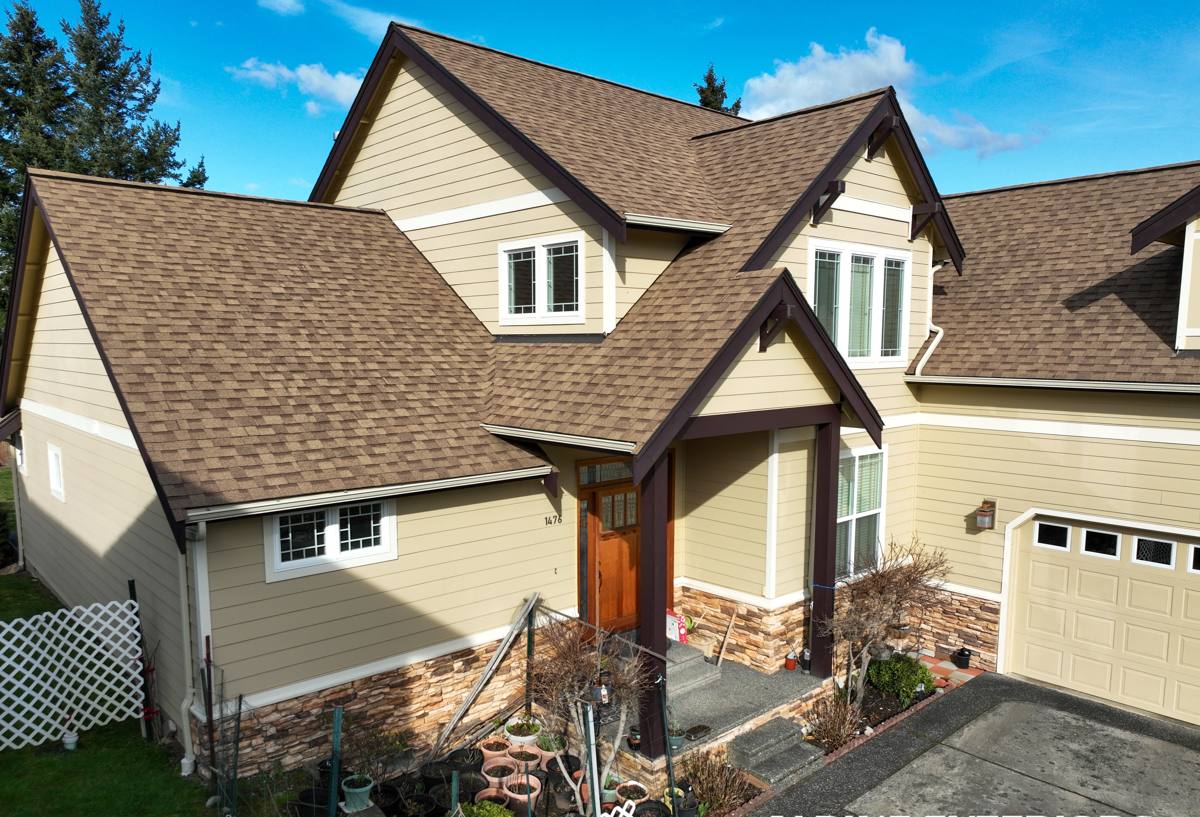
What Pinellas County's Coastal Climate Does to a Window
Every window on a Snell Isle home is fighting four things at once, year-round:
- Salt air corrosion: airborne salt settles on and around window hardware, screws, and frames, accelerating corrosion on lower-grade aluminum and steel fasteners far faster than inland exposure.
- Intense, near-constant UV: Florida's sun degrades vinyl, weatherstripping, and glazing seals over time, which is why UV-rated components matter more here than in most of the country.
- Wind-driven rain: even routine summer storms push rain sideways and upward under pressure, which finds any gap in flashing or sealant that a standard installation might leave.
- Hurricane-force wind loads: Pinellas County sits in a designated wind-borne debris region, so both the window itself and the way it's anchored into the wall need to be engineered for real storm pressure, not just fitted to look nice.
None of these forces act alone. A frame that's already stressed by UV expansion and contraction seals worse against wind-driven rain. A corroded anchor point holds less well against wind load. On a waterfront lot, they compound.
Signs a Snell Isle Home Needs New Windows
Homeowners near the water often notice window problems later than they should, because early symptoms look cosmetic rather than structural. Watch for:
- Fogging or a permanent haze between panes of double-glazed glass — the seal has failed and the insulating gas is gone
- Chalky, pitted, or discolored aluminum frames, especially on the side of the house facing the water
- Windows that are hard to open, close, or lock, or that no longer sit flush in the frame
- Soft, discolored, or bubbling drywall or wood trim around the window interior — a sign of water intrusion, not just condensation
- Visible daylight or a draft around the frame when the window is shut
- A noticeable rise in cooling costs without any other explanation
- Rattling or whistling during windy conditions, which usually means the frame or seal has loosened
Any one of these on its own might just mean maintenance. Two or three together, especially on the water-facing side of the house, usually means the windows are past their functional life and are letting in more than they're keeping out.
What a Correct Window Installation Actually Involves
The window unit itself only does half the job. Most window failures we see on waterfront homes trace back to installation shortcuts, not a bad product. A correct installation includes:
Opening Preparation
Removing the old window down to the rough opening, checking the framing and sill for rot or water damage, and repairing anything compromised before a new unit goes in. Installing a new window over a damaged or out-of-square opening just locks the existing problem behind new trim.
Flashing and Weatherproofing
Proper flashing tape and a sloped sill pan direct any water that gets past the exterior seal back outside instead of into the wall cavity. This step matters more on a home that regularly takes wind-driven rain than it does on a sheltered inland lot.
Anchoring to Structural Rating
Fasteners, spacing, and anchor depth need to match the window's tested design pressure rating and the wall substrate — not a generic screw pattern. This is what actually gives a window its wind resistance; the glass rating alone doesn't matter if the frame isn't anchored to hold it.
Sealing and Insulation
Low-expansion foam or backer rod and sealant around the perimeter, with the right sealant chemistry for exterior, UV-exposed, coastal conditions — not a standard caulk that will crack and shrink within a couple of seasons.
Interior and Exterior Finish
Trim, casing, and paint or caulk lines finished cleanly so the seal is both weathertight and presentable, inside and out.
Choosing the Right Window for a Snell Isle Home
There's no single "best" window — the right choice depends on the home's exposure, age, and how much of the storm-protection burden the homeowner wants the window itself to carry versus separate shutters or panels. Here's how the common frame materials compare for waterfront St. Petersburg conditions:
| Frame Material | Salt Air Performance | UV / Sun Durability | Maintenance |
|---|---|---|---|
| Vinyl | Excellent — won't corrode | Good with UV-stabilized formulations; lower-grade vinyl can yellow or warp over time | Low — no painting, occasional cleaning |
| Aluminum | Fair — needs a marine-grade or coated finish to resist pitting near the water | Good, holds shape well in heat | Moderate — finish needs periodic inspection |
| Fiberglass | Excellent — very stable in salt exposure | Excellent — minimal expansion/contraction | Low, but higher upfront cost |
| Wood (clad exterior) | Poor unless fully clad — bare wood suffers near salt air | Good on the clad side, vulnerable if the cladding is breached | Higher — needs monitoring at joints and cladding seams |
For most Snell Isle homes, that points toward vinyl or fiberglass frames paired with impact-rated glass, but the right call also depends on the home's architecture, HOA or historic considerations, and budget. We'll walk through the trade-offs for your specific house rather than push one default answer.
Impact Glass vs. Storm Shutters
Impact-rated windows stay in place permanently and don't require action before a storm, which matters if you travel or aren't always in town to put up shutters. Shutters cost less upfront but require storage, physical effort to deploy, and someone available to install them before a storm arrives. Many homeowners on the water choose impact windows for daily peace of mind and skip the shutter routine entirely.
Florida Building Code and Wind Requirements
Pinellas County falls within Florida's wind-borne debris region, which means replacement windows generally need to meet a tested design pressure rating appropriate to the home's wind zone, and the work typically requires a permit and inspection — this isn't optional paperwork, it's what confirms the window and its installation can actually handle the load it's rated for. Waterfront exposure on Snell Isle can put a home at the higher end of the local wind pressure range depending on the lot's specific exposure category, which is one more reason the anchoring and product rating need to be verified for the address, not assumed from a neighborhood average.
We pull permits, coordinate the required inspections, and make sure the products installed carry the correct approval documentation for Pinellas County before the job starts — not something to find out after the fact.
Our Installation Process
- On-site assessment: we inspect existing windows, openings, and framing condition, and measure for the wind exposure specific to your lot.
- Product selection: we walk through frame material, glass package, and impact-rating options suited to your home's exposure and budget.
- Permitting: we handle the permit application and documentation required for Pinellas County before installation begins.
- Removal and prep: old windows come out, and we address any rot, corrosion, or damage in the opening before the new unit goes in.
- Installation: flashing, anchoring to the rated design pressure, insulation, and sealing, done to match both code and the coastal exposure.
- Finish work: interior and exterior trim, caulking, and cleanup.
- Final inspection: we schedule and stand by for the required county inspection so the job is closed out properly, not left as an open permit.
Why Local Experience on Snell Isle Matters
A crew that regularly works this neighborhood already knows what a first-time visitor wouldn't: how canal-front and bay-facing lots differ in exposure from interior streets a few blocks away, what the older housing stock in the area tends to need at the framing level, and which product lines actually hold up under this kind of salt and sun exposure instead of just meeting the minimum code rating on paper. That experience shows up in fewer surprises once the old windows come off the wall, and in a finished installation that's sized to the exposure the house actually faces — not a generic spec.
It also matters for permitting. Pinellas County inspectors see a lot of window jobs; an installer who documents products and anchoring correctly the first time keeps the inspection process moving instead of triggering rework and delays.
Cost Factors to Expect
Every home is different, so we won't quote a number without seeing the job, but the main variables that move price on a Snell Isle window project are:
| Factor | Why It Affects Cost |
|---|---|
| Impact vs. non-impact glass | Impact-rated laminated glass costs more per unit but removes the need for separate storm protection |
| Frame material | Fiberglass generally costs more upfront than vinyl or standard aluminum but needs less long-term upkeep near salt air |
| Opening condition | Rot, corrosion, or out-of-square framing found during removal adds repair work before the new window can go in |
| Number and size of openings | Larger openings and specialty shapes (bays, arches, sliders) cost more than standard single or double-hung units |
| Permit and inspection scope | Full-house replacements and additions to wind-rated openings involve more documentation than a single-window swap |
A Quick Pre-Estimate Checklist
Before we come out, it helps to have a general sense of a few things:
- Roughly how old your current windows are, if known
- Which side(s) of the house face the water or take the most sun and wind
- Any known drafts, fogging, or difficulty opening/closing specific windows
- Whether you're replacing all windows at once or working room by room
- Any HOA architectural guidelines that apply to your street or section of Snell Isle
None of this is required to schedule a visit — it just makes the first conversation faster and more useful.
Get a Free, No-Pressure Estimate
If your windows are showing wear from the salt air, sun, or last storm season, or you're simply ready to stop thinking about it before the next one, we're glad to take a look. Fill out the form below for a free estimate on window installation for your Snell Isle home — no pressure, just a straight assessment of what your house actually needs.