 St. Petersburg Roofing
 Why Roofs on St. Pete Beach Wear Differently Than Roofs Inland
St. Pete Beach sits right on the barrier island, which means every roof here is doing a harder job than a roof ten miles inland in St. Petersburg proper. The salt air off the Gulf works on exposed metal fasteners, flashing, and vent stacks around the clock, not just during storms. Add in Florida's intense, near-constant UV exposure and the wind-driven rain that comes with our seasonal thunderstorms and hurricane threats, and you've got a roof that's aging faster than the shingles' or tiles' rated lifespan would suggest on paper.
That combination — salt, sun, and wind — is why a roof repair on the beach isn't the same job as the same repair a few miles east. Materials corrode faster, sealants dry out and crack sooner, and wind uplift on an island lot with no windbreak is a real factor even in a routine summer squall. A repair that doesn't account for this ends up being a repeat visit in a year or two instead of a lasting fix.
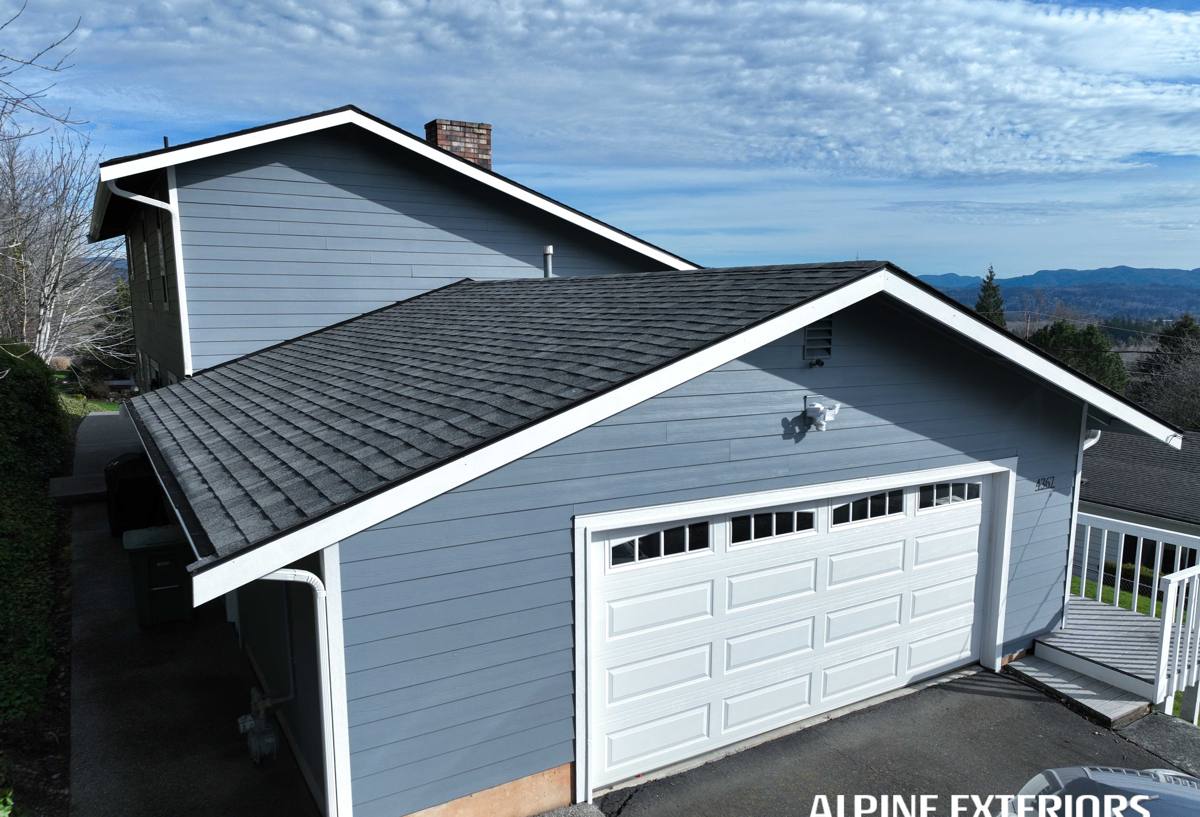
The Roof Problems We See Most Often in St. Pete Beach
Wind and Storm-Related Damage
Lifted or missing shingles along ridge lines and roof edges, bent or torn ridge caps, and dislodged tiles are common after any system with sustained coastal wind passes through Pinellas County. Wind doesn't have to reach hurricane strength to do this kind of damage on an exposed island roof — it just has to catch an edge that was already starting to loosen.
Salt Air Corrosion
Exposed fasteners, metal flashing, drip edge, and pipe boots take the brunt of it. Once corrosion starts eating at a fastener or a flashing seam, water finds its way in long before you'd notice a visible leak inside the house. This is the damage type that's easiest to miss from the ground and easiest to catch up close.
Sun-Baked Sealants and Flashing Failure
UV exposure dries out roofing sealants and cement faster on the beach than almost anywhere else in the county. Cracked sealant around flashing, skylights, and penetrations is one of the most common repair calls we get, and it's often mistaken for "just needs caulk" when the real fix requires re-flashing the joint properly.
Wind-Driven Rain Intrusion
Rain that comes in sideways during a storm can push water up under shingles or tiles that would shed water fine in a normal downpour. This is a different failure mode than a simple leak, and it usually points to an underlayment or flashing issue rather than a surface-level problem.
What a Correct Repair Actually Involves
A roof repair done right isn't just patching the spot where water showed up inside the house. Water travels — it can enter at one point and show a stain feet away. A proper repair starts with finding the actual entry point, not just the symptom.
- Full inspection of the damaged area and the roof sections that drain into it, not just the visible trouble spot
- Checking flashing, fasteners, and underlayment condition around the repair area, since salt air corrosion rarely stays isolated to one spot
- Matching replacement shingles, tiles, or metal panels as closely as possible to the existing roof in material, profile, and where reasonable, color
- Re-securing or replacing underlayment where it's compromised, not just covering over it
- Confirming the repair meets current Florida Building Code requirements for the county, which matters for both durability and any future insurance claim
- Documenting the repair with photos before and after, useful for your records and for insurance if the damage was storm-related
Skipping any of these steps is how a "quick patch" turns into a callback six months later, or worse, a hidden leak that causes interior or structural damage before anyone notices.
Our Repair Process
Inspection and Honest Diagnosis
We start on the roof, not with a guess from the driveway. We look at the reported problem area plus the flashing, fasteners, and seams nearby, since coastal corrosion and wind damage rarely announce themselves in just one spot. You get a plain explanation of what's actually wrong and what caused it — sun, salt, wind, age, or a combination.
A Clear, Written Estimate
Before any work starts, you get a written scope of what we're repairing and why. If we find the damage is more extensive than the original problem suggested, we tell you before doing the work, not after.
The Repair Itself
We use materials suited to island exposure — corrosion-resistant fasteners and flashing, sealants rated for sustained UV, and underlayment that holds up to wind-driven rain — and we tie the repair back into the surrounding roof correctly instead of just covering the hole.
Cleanup and Documentation
Job site is cleared of debris and old material, and you get documentation of the repair. If the damage was storm-related, this paperwork is often exactly what an insurance adjuster wants to see.
Repair or Replace? How to Think About It
Not every roof problem on a St. Pete Beach home needs a full replacement, and not every leak is best solved with another patch. The right call depends on a few honest factors.
| Factor | Leans Toward Repair | Leans Toward Replacement |
|---|---|---|
| Roof age | Under 12–15 years, or within most of its rated life | Near or past the material's expected service life |
| Extent of damage | Isolated to one section, flashing point, or a handful of shingles/tiles | Spread across multiple sections or recurring in different spots |
| Underlayment condition | Still intact where checked | Brittle, torn, or failing in multiple areas |
| Repair history | First or second repair on this roof | Repeated repairs to the same or nearby areas |
| Cause | Localized storm impact, isolated wear | General age-related failure from years of sun and salt exposure |
We'll tell you honestly which side of that table your roof falls on. There's no benefit to us in overselling a replacement when a solid repair will genuinely hold, and there's no benefit to you in repeatedly patching a roof that's telling you it's done.
Material Considerations for a Coastal Repair
Whatever your roof is covered in — asphalt shingle, tile, or metal — the repair materials matter as much as the original roofing material did. On a barrier island property, we lean toward corrosion-resistant fasteners and flashing rather than standard-grade hardware, because the standard-grade stuff simply doesn't hold up as long this close to the Gulf. Sealants and cements get chosen for UV stability, since a product that's fine in a shaded inland yard can dry out and crack within a season or two of direct beach sun exposure.
We're upfront that some lower-cost repair materials carry a real trade-off out here: they may install a little faster or cost a little less up front, but they shorten how long the repair actually lasts in this environment. Our standard is to use materials suited to the exposure, even when it's not the cheapest option on the shelf, because a repair that fails in eighteen months isn't actually the cheaper choice once you count the second service call.
Storm Damage and Insurance
If your repair is related to named storm damage or a significant wind event, documentation matters. We photograph the damage before we touch anything, note the likely cause, and provide records that support an insurance claim if you're filing one. We're not a public adjuster and we don't handle your claim for you, but a clear, professional repair record makes that process smoother on your end.
It's also worth knowing that Pinellas County and the State of Florida have specific building code requirements for roof repairs, especially around wind resistance. A repair that doesn't meet current code can create problems later — both for durability and for insurance coverage on a future claim. We build every repair to meet those requirements, not just to "look fixed."
Why a Crew That Already Works St. Pete Beach Matters
A roofer who mainly works inland neighborhoods doesn't necessarily think in terms of salt air corrosion, barrier island wind exposure, or the faster material fatigue that comes with year-round Gulf sun. We work in St. Petersburg and the surrounding Pinellas County coastal communities regularly, so we're used to diagnosing damage patterns specific to this environment and repairing to a standard built for it — not a generic inland standard.
There's also a practical side to this: familiarity with local permitting expectations, an understanding of how island properties are typically laid out and accessed, and the ability to respond quickly after a storm event affects a lot of homes in the same area at once. A crew that's already local doesn't need a learning curve to get to your roof or figure out what it's dealing with.
Signs You Should Get a Repair Looked At
- A water stain on a ceiling or ceiling corner, even a small one
- Visible lifted, cracked, or missing shingles or tiles after a windy day
- Granules collecting in gutters or at downspout outlets
- Rust streaking below metal flashing, vents, or fasteners
- Sealant around a skylight, pipe boot, or chimney that looks cracked, shrunken, or chalky
- A musty smell in the attic or a spike in humidity up there
- Daylight visible through the roof deck from inside the attic
Catching any of these early is almost always the difference between a straightforward repair and a much bigger problem once water has had time to soak into decking or framing.
Get an Honest Look at Your Roof
If you're dealing with a leak, storm damage, or just want a roof that's been through a few Gulf summers checked over before it becomes a problem, we're glad to come take a look. The estimate is free, there's no pressure to book anything on the spot, and you'll get a straight answer about what's actually going on with your roof — use the form below to get started.