 St. Petersburg Roofing
 Why Gulfport Roofs Wear Out Faster Than Inland Roofs
Gulfport sits on Boca Ciega Bay, which means every roof in the neighborhood is exposed to conditions that roofs ten or fifteen miles inland simply don't deal with. Salt-laden air corrodes exposed metal fasteners, flashing, and vent stacks years before it would in a drier climate. Intense, near-constant Florida UV breaks down asphalt shingle oils and dries out underlayment, making materials brittle and prone to cracking. Add wind-driven rain that gets pushed sideways under poorly sealed edges and hurricane-force gusts that test every nail and seam, and you have a roofing environment that punishes shortcuts. A roof replacement done for a Gulfport home has to account for all of this from the start, not as an afterthought.
Pinellas County building codes reflect this reality — wind-load and fastening requirements here are stricter than in much of the country. A replacement that only meets the bare minimum code requirement, or that was designed for a different climate, tends to show problems within a few years: lifted shingle tabs, rusted flashing streaks, and soft spots where water has been finding its way in slowly.
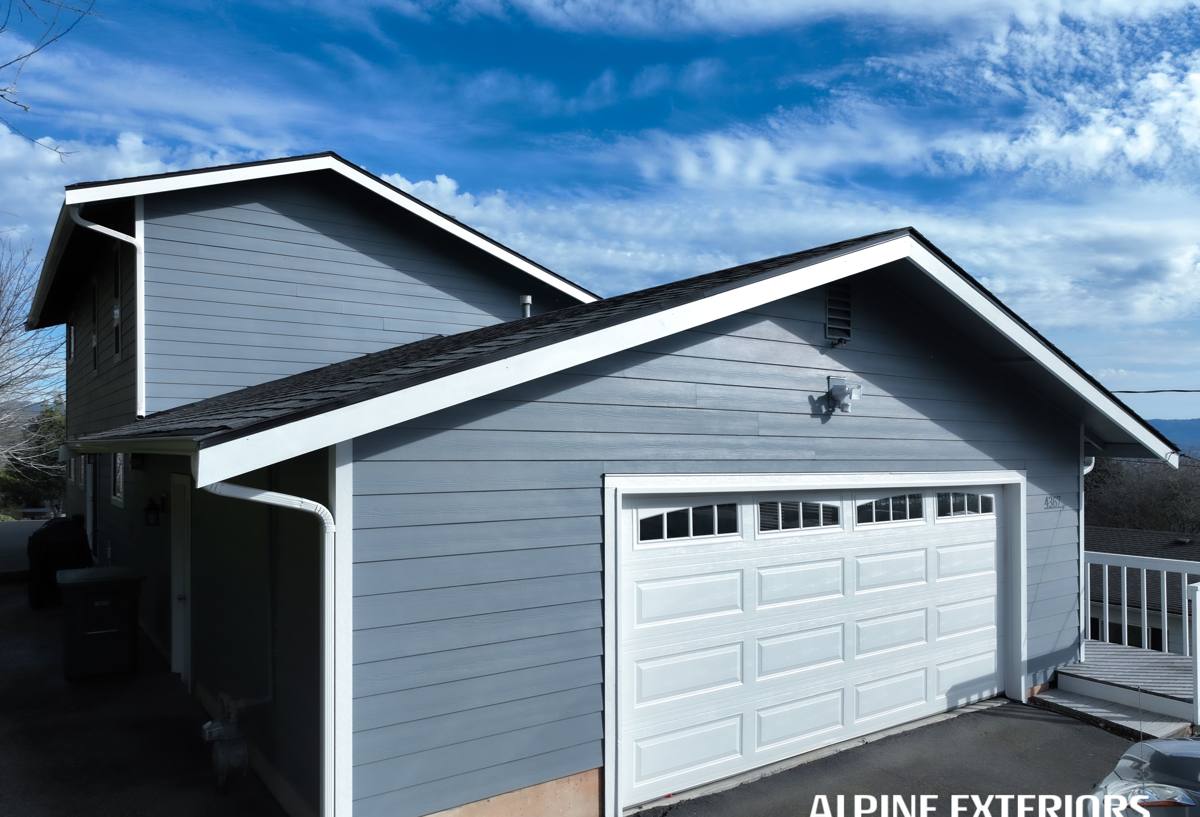
Signs a Repair Won't Cut It Anymore
Homeowners often ask whether a patch or repair can get them another season or two. Sometimes it can. But there's a point where repeated repairs cost more over time than a single properly done replacement, and where patching actually masks a bigger problem underneath. Watch for these signs:
- Granule loss heavy enough that you're finding shingle grit in gutters or at downspout outlets
- Shingles that are curling, cupping, or cracking across multiple sections of the roof, not just one spot
- Soft or spongy decking felt underfoot in the attic, or daylight visible through the roof deck
- Repeated leaks in different locations after past repairs
- Rusted or lifted flashing around chimneys, skylights, or vent penetrations
- A roof that's 20+ years old on asphalt shingles, or approaching the manufacturer's rated life for its material
- Visible sagging along the roofline, which can indicate structural decking or truss issues
If two or three of these apply, a replacement is usually the more honest recommendation — and a good contractor will tell you plainly if a repair is still the better call for your situation.
What a Correct Roof Replacement Actually Involves
A roof replacement isn't just stripping old shingles and nailing down new ones. Done right, it's a sequence of steps where each one protects the next.
Tear-Off and Deck Inspection
We remove the old roofing material down to the deck rather than layering over it. This lets us actually see the plywood or OSB decking underneath. In older Gulfport homes, decking that's been exposed to years of humidity and small leaks sometimes needs sections replaced before new roofing goes down — skipping this step is one of the most common ways a "new roof" fails early.
Underlayment and Water Barrier
A synthetic or self-adhering underlayment goes down next, with extra attention at eaves, valleys, and low-slope sections where wind-driven rain is most likely to force its way in. This layer is your last line of defense if wind ever lifts a shingle edge during a storm.
Flashing and Penetrations
All flashing — around chimneys, skylights, plumbing vents, and roof-to-wall junctions — gets replaced, not reused. Old flashing that's already showing salt corrosion or rust streaks is a near-guaranteed future leak point if it's left in place under new shingles.
Fastening for Wind Uplift
Nailing pattern and fastener count matter more here than in most of the country. Florida Building Code requires specific nailing schedules based on wind zone, and Pinellas County's coastal location puts most Gulfport properties in a higher wind-exposure category. We follow the fastening schedule that applies to your specific roof, not a generic minimum.
Ventilation
Proper attic ventilation keeps shingle temperatures down and moisture from building up underneath the deck. An under-ventilated roof in this climate ages faster from the inside out, regardless of how good the shingles on top are.
Comparing Roofing Materials for a Coastal Gulfport Home
Material choice affects how well a roof holds up to salt air, UV, and wind — and how much upkeep it needs over its life. Here's how the common options compare for a home in this area:
| Material | Typical Lifespan Here | Wind Performance | Salt Air / Maintenance Notes |
|---|---|---|---|
| Architectural asphalt shingle | 15-25 years | Good, with proper nailing and rated products | Most common choice; moderate maintenance; UV and heat shorten life somewhat versus inland installs |
| 3-tab asphalt shingle | 12-18 years | Lower wind rating than architectural | Lower upfront cost but shorter life in this climate; less commonly recommended for coastal exposure |
| Standing seam metal | 40-50+ years | Excellent when properly fastened | Coated/coastal-rated fasteners needed; higher upfront cost, low long-term maintenance |
| Concrete or clay tile | 40-50+ years | Very good when correctly fastened and battened | Heavier, requires structural check; underlayment condition matters more than the tile itself for leaks |
There's no single "best" material for every home — it depends on your roof structure, budget, and how long you plan to stay in the house. We'll walk through the honest trade-offs for your specific roof rather than pushing one product across the board.
Permits, Wind Mitigation, and Insurance
Roof replacements in Gulfport require a permit through Pinellas County or the City of St. Petersburg depending on your property's jurisdiction, and the work has to pass inspection against current Florida Building Code wind provisions. We handle the permitting and schedule inspections as part of the job — it's not an extra step you need to chase down yourself.
After a qualifying replacement, it's worth getting a wind mitigation inspection done. This documents the roof's construction, fastening, and features (like a secondary water barrier) that insurers use to calculate windstorm premium discounts. For coastal Pinellas County homeowners, this can meaningfully offset the cost of a new roof over time.
How Our Replacement Process Works
- Free on-site estimate: we inspect the current roof, attic, and decking condition and walk you through what we find.
- Material and scope selection: we go over material options and pricing based on your roof's size, slope, and any decking repair needed.
- Permit and scheduling: we pull the required permit and set a start date, weather permitting.
- Tear-off and deck repair: old roofing comes off, decking is inspected and repaired where needed.
- Underlayment, flashing, and new roofing installed per code fastening requirements.
- Site cleanup: magnetic sweep for nails, debris hauled off, gutters checked.
- Final inspection to close out the permit, plus documentation you can use for wind mitigation and insurance.
Why It Matters That We Already Work in Gulfport
Gulfport has a mix of older bungalows, mid-century homes, and newer infill construction, often on narrower lots close to the water. A crew that regularly works in this specific area already knows what to expect from older decking, common flashing conditions around this neighborhood's roof styles, and how to work efficiently on tighter properties without unnecessary disruption to neighbors. We're also familiar with the local permitting process through Pinellas County and the City of St. Petersburg, which keeps your project moving instead of stalled waiting on paperwork we're seeing for the first time.
Just as importantly, we're not a storm-chasing crew that shows up after a hurricane and disappears. We're local, we're reachable if something needs a warranty check down the road, and our reputation in this community depends on doing the job right the first time.
What Affects the Cost of Your Roof Replacement
Every roof is different, so we don't quote sight-unseen prices — but these are the main factors that move the number:
- Roof size and number of stories (steeper, taller roofs take more labor and safety setup)
- Roof pitch and complexity — valleys, dormers, and multiple roof planes add time and material
- Condition of the existing decking and whether sections need replacement
- Material chosen (asphalt shingle versus metal or tile, as compared above)
- Number of penetrations — chimneys, skylights, vents — that need new flashing
- Removal of existing layers of old roofing material
We'll break these down clearly in your estimate so you understand exactly what you're paying for, not just a lump-sum number.
Caring for Your New Roof in a Salt Air Climate
A properly installed roof still benefits from a little attention in this environment. Keep gutters and downspouts clear so water isn't pooling at the roof edge. After major storms, a quick visual check (from the ground, not the roof) for missing or lifted shingles is worth doing. Rinsing off heavy salt residue or debris buildup periodically helps slow long-term wear on metal components. And if you ever notice a stain on an interior ceiling, don't wait — small leaks are far cheaper to fix than the damage they cause if left alone.
If your Gulfport roof is showing its age, or you just want a straight answer about whether repair or replacement makes more sense, we're happy to take a look. Fill out the form below for a free, no-pressure estimate.