 St. Petersburg Roofing
 Siding That Has to Work in Kenneth City, Not Just Look Good
Kenneth City sits inland enough to feel like a quiet residential pocket, but it's still Pinellas County — which means it gets the same year-round UV load, the same tropical downpours, and the same hurricane-season wind exposure as the rest of the St. Petersburg area. Homes here are close enough to Tampa Bay and the Gulf that salt-laden air reaches every exterior surface, even blocks away from open water. Siding on a Kenneth City home isn't decoration. It's the layer standing between the house and everything Central Florida throws at it for eleven months of calm and one month of chaos.
That's the frame we use when we talk about fiber cement siding for this neighborhood specifically. Not "siding in general," but siding sized to what actually happens to a wall assembly in this zip code over 20-30 years.
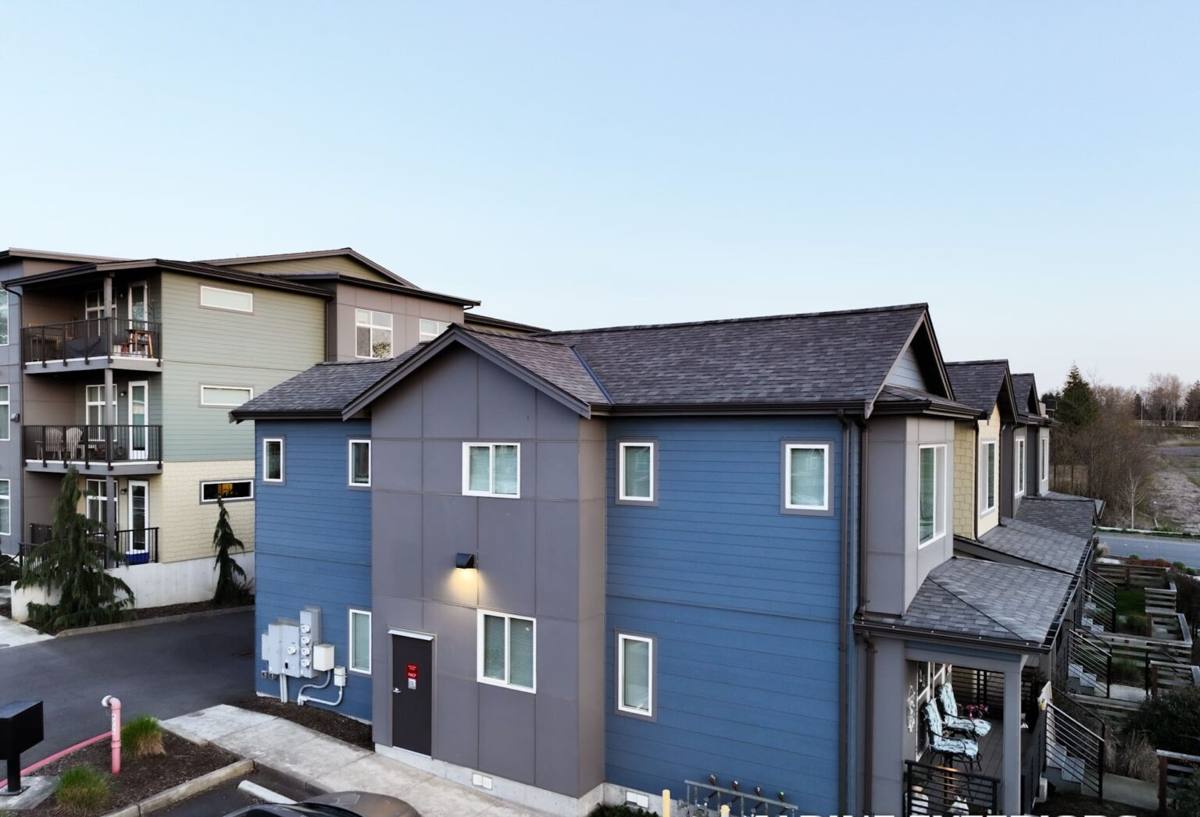
What Pinellas County's Climate Actually Does to a Wall
Wind and Wind-Driven Rain
Kenneth City doesn't get storm surge, but it absolutely gets wind — sustained tropical-storm and hurricane-force gusts that push rain sideways into every seam, joint, and fastener point on a house. Siding that isn't fastened to spec, or that relies on face-nailing and thin caulk lines to stay weathertight, is the first thing that fails when wind-driven rain finds a gap. Water doesn't need a hole; it needs a path, and wind will find one if the installation left it.
Constant UV Exposure
Florida's sun is brutal on painted exterior surfaces. Job-site-applied paint on wood, engineered wood, or even some fiber cement products chalks, fades, and cracks under UV load faster here than in most of the country. A siding product's finish matters as much as the substrate underneath it — a good board with a weak factory finish still ends up needing repainting on a schedule Kenneth City homeowners shouldn't have to plan around.
Salt Air
Even without a beachfront address, Kenneth City is close enough to the bay and Gulf that airborne salt settles on every exterior surface. Salt accelerates corrosion on fasteners, trim, and any metal components in a siding system, and it degrades weaker paint films faster than plain UV alone. Any siding decision here has to account for it — not because the house is oceanfront, but because Pinellas County air isn't inland air.
Humidity and Moisture Cycling
Florida's humidity means siding is rarely fully dry. Wood-based products absorb and release moisture constantly, which is what drives swelling, buckling, and eventual rot at butt joints and cut ends if those areas aren't properly sealed and maintained. A siding material that doesn't move with moisture the way wood does removes an entire category of long-term maintenance risk.
Why We Install Only James Hardie Fiber Cement
We don't install vinyl, LP SmartSide, primed spruce or cedar, or other fiber cement brands. That's a standard, not a sales pitch, and it's built specifically around what holds up in this climate:
- Non-combustible core — fiber cement doesn't feed a fire the way wood-based products can, which matters in dry-season brush conditions and simply as a baseline safety feature.
- ColorPlus factory finish — baked-on in a controlled facility rather than applied on-site, so the finish resists Florida's UV fade and chalking far longer than field-applied paint.
- HZ5 climate-engineered formulation — Hardie makes a version of its siding specifically engineered for humid, high-moisture climates like ours, which is what we spec for Kenneth City installs.
- Dimensional stability — fiber cement doesn't expand and contract with humidity swings the way wood or wood-composite products do, so joints and caulk lines stay tight longer.
- A transferable warranty backed by a manufacturer with decades of track record in exactly this climate, not a startup guarantee.
We'd rather stand behind one product system we trust completely than offer a menu of options where some are a compromise from day one.
What a Correct Installation Actually Involves
Fiber cement siding fails early almost exclusively because of installation mistakes, not the material itself. In a wind-and-rain climate like Pinellas County's, the details most people never see are the ones that decide whether the siding lasts 10 years or 40.
| Installation Detail | Done Right | Common Shortcut |
|---|---|---|
| Fastening | Corrosion-resistant nails/screws at manufacturer-specified spacing and depth, blind-nailed where the product allows | Overdriven or underdriven fasteners, wrong spacing, face-nailing everywhere |
| Clearances | Minimum gap maintained above roofing, decks, and grade per Hardie spec | Boards run tight to the ground or roofline, trapping moisture |
| Flashing & house wrap | Proper weather-resistive barrier and flashing at every penetration, window, and butt joint | Reused old wrap, missing flashing at joints |
| Caulking & sealant | Manufacturer-approved sealant at joints, painted per spec to match ColorPlus finish | Generic caulk, unpainted or mismatched joints |
| Cut ends | Sealed with touch-up product before installation | Left raw, inviting moisture intrusion at every cut |
| Wind rating | Installed to meet local wind-load requirements for the fastening schedule used | Standard fastening regardless of exposure or code |
Every one of those "done right" columns takes longer and costs more in labor than the shortcut version. That's the entire difference between siding that survives a Pinellas County hurricane season and siding that needs repair after the first one.
Our Process for a Kenneth City Siding Job
1. On-Site Assessment
We walk the home and check the current siding or sheathing condition, look for existing moisture damage, and note anything — roofline, deck attachments, window trim — that affects how the new siding needs to tie in.
2. Product and Profile Selection
We help you choose the Hardie plank, shingle, or panel profile and ColorPlus color that fits the house, confirming HZ5 spec for our climate zone.
3. Permitting and Wind-Load Compliance
Pinellas County has specific wind-load and building code requirements tied to hurricane exposure. We pull the correct permits and install to the fastening schedule the code and manufacturer require for this area — not a generic national default.
4. Tear-off and Substrate Check
Old siding comes off, sheathing gets inspected for rot or moisture damage, and any needed repairs happen before a single new board goes up. Covering a bad substrate with new siding just hides the problem.
5. Weather Barrier and Flashing
New house wrap and flashing go in at every window, door, and penetration before siding starts — this is the layer that actually keeps wind-driven rain out, not the siding face itself.
6. Installation to Spec
Boards go up with correct fastening, clearances, and sealed joints, following Hardie's published installation guidelines exactly.
7. Final Walkthrough
We inspect every joint, corner, and trim line with you before calling the job finished.
Cost Factors for Kenneth City Homes
| Factor | Why It Matters Here |
|---|---|
| Home size and siding profile | Larger homes and more detailed trim/accent work take more labor hours |
| Substrate condition | Rot or moisture damage found during tear-off adds repair cost before new siding goes on |
| Wind-load fastening requirements | Pinellas County's exposure category can require tighter fastening schedules than inland counties |
| Color and trim selection | Custom ColorPlus colors and trim details vary in material cost |
| Access and site conditions | Lot layout, existing landscaping, and multi-story sections affect labor time |
We give exact numbers only after seeing the house — anyone quoting a firm price sight-unseen for a Florida siding job is guessing.
Maintaining Fiber Cement Siding in a Salt-Air Climate
- Rinse the exterior once or twice a year to clear salt residue and airborne grime, especially on sides facing prevailing wind
- Inspect caulk lines at joints and trim annually, particularly after hurricane season
- Check for any hairline gaps at window and door trim where wind-driven rain could intrude
- Keep landscaping and irrigation heads from spraying directly on siding long-term
- Repaint only if and when the ColorPlus finish is genuinely due — it's engineered to outlast typical field-paint schedules
- Have any storm damage inspected promptly rather than waiting for the next season
Why It Matters That We Already Work in Kenneth City
A crew that works this specific area regularly already knows the wind-exposure category the local building department applies, knows what Pinellas County inspectors look for on a siding permit, and has already made the mistakes elsewhere so they don't make them on your house. That familiarity shows up in small ways — knowing which fastening schedule the county will actually sign off on, knowing how nearby homes have weathered past storm seasons, knowing what substrate condition tends to look like on homes of a given age in this area. None of that is guesswork when it's the neighborhood you already work in.
If you're weighing a siding replacement or repair in Kenneth City, we're glad to come take a look and give you a straightforward, no-pressure assessment of what your home actually needs. There's no cost and no obligation to get an estimate — just an honest read on the job.