 St. Petersburg Roofing
 Deck Repair Built for Euclid-St. Paul's Climate, Not a Generic Checklist
Euclid-St. Paul is one of St. Petersburg's older, established neighborhoods, and that means a lot of the decks and elevated porches here have been through years of Pinellas County weather without much attention beyond the occasional coat of stain. Florida's climate is not gentle on outdoor wood or composite structures. Between hurricane-force wind events, wind-driven rain that gets pushed sideways into places it was never meant to reach, intense year-round UV exposure, and the salt air that comes with living near Tampa Bay and the Gulf, a deck in this part of St. Petersburg ages differently than one in a drier, cooler climate. Repairing it correctly means understanding those forces, not just replacing a rotten board and calling it done.
This page covers what deck repair actually involves for homes in and around Euclid-St. Paul, what we look for, and how our process works when you call us out for an estimate.
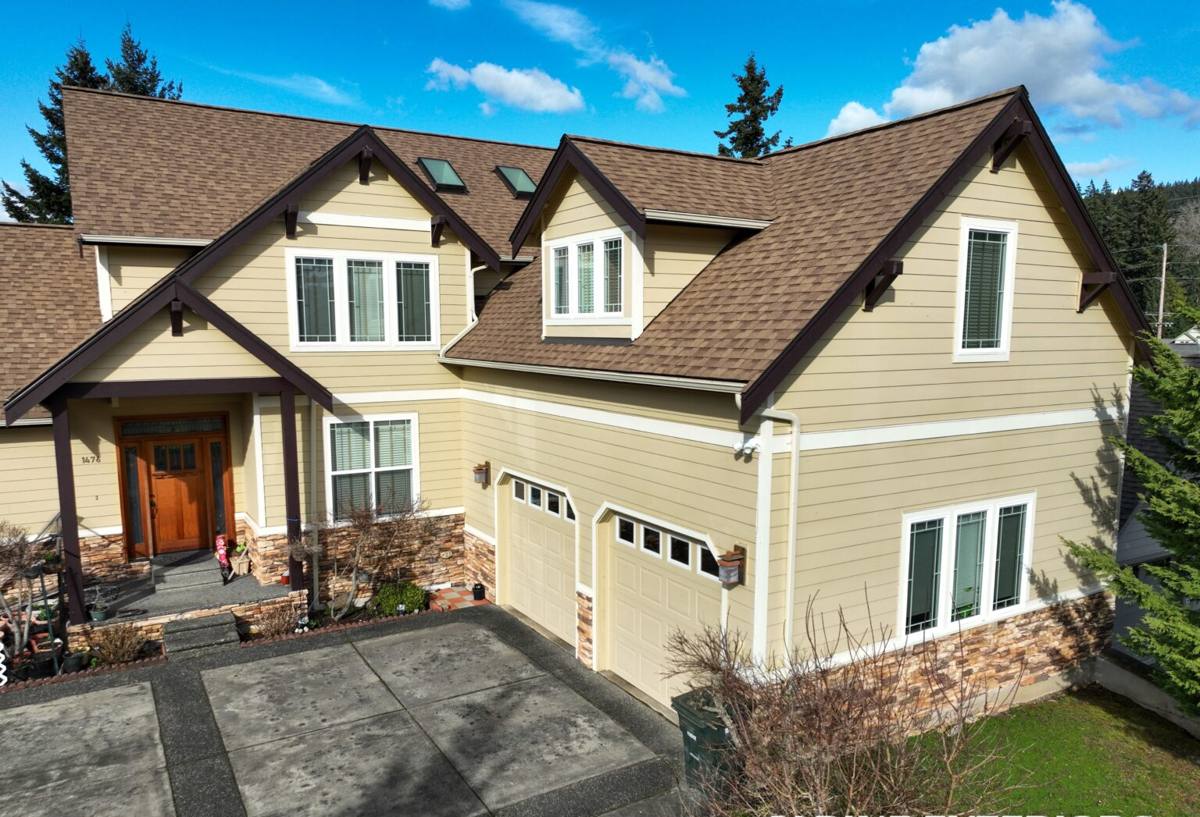
Why Decks in This Neighborhood Fail Faster Than People Expect
Sun and UV Breakdown
Florida sun is stronger and more constant than most homeowners who moved from other states realize. UV exposure breaks down the lignin in wood fibers, which is why untreated or unsealed decking grays, splinters, and cups even when it looks structurally fine. On composite decking, UV exposure over many years can fade color and, on older or lower-grade products, make the surface brittle at the edges.
Wind-Driven Rain and Humidity
Afternoon storms and tropical systems don't just rain straight down here — wind pushes moisture up under boards, into fastener holes, and behind ledger boards where a deck attaches to the house. That's the area we see fail most often, because it's hidden from view during a casual walk-around.
Salt Air and Fastener Corrosion
St. Petersburg sits on a peninsula, and salt-laden air travels further inland than most people expect, especially with regular onshore breezes off the bay. Salt accelerates corrosion in nails, screws, and metal joist hangers. Once a fastener starts rusting, it loses grip strength long before it looks obviously bad, which is part of why some deck failures seem to come "out of nowhere."
Humidity, Mildew, and Wood-Destroying Insects
Year-round humidity keeps wood moisture content higher than in drier climates, which feeds mildew and algae growth on the surface and creates the conditions termites and other wood-destroying insects prefer. A deck that stays damp longer after a storm is a deck that's more attractive to them.
The Deck Problems We Actually Find on Local Jobs
When we're called out to a home in this area, the damage usually falls into a handful of repeat categories:
- Ledger board rot — where the deck bolts to the house, often from missing or failed flashing that let water sit against the wood for years.
- Corroded or "popped" fasteners — nail heads backing out, screw heads snapping off, or rust streaks bleeding down the decking.
- Soft or spongy decking boards — usually rot from trapped moisture, most common near planters, grills, or low-airflow spots.
- Failing joist hangers — corrosion or under-sized hardware that was never rated for the load or the coastal environment.
- Loose or wobbly railings and stairs — a safety issue as often as a cosmetic one, and one of the most common reasons for an insurance or code complaint.
- Post base and footing deterioration — wood posts sitting in or near standing water after heavy rain events.
What a Correct Deck Repair Actually Involves
A lot of "deck repair" done cheaply is really just cosmetic — swap the board that looks bad, add a screw, move on. That doesn't hold up here. A repair that's actually going to last through another few Florida storm seasons needs to address the structure, not just the surface.
Structural Inspection First
Before we replace anything, we check the framing underneath: joists, beams, the ledger connection, and the posts or footings. A deck can look fine on top and still have compromised framing underneath — that's the difference between a repair that lasts and one that fails again in a year.
Fastener Grade Matters
Modern pressure-treated lumber uses chemical preservatives that are more corrosive to standard fasteners than older treatments were. Combine that with Pinellas County's salt air, and using the wrong hardware is one of the fastest ways to end up back at square one. We use hot-dip galvanized or stainless fasteners and connectors rated for coastal, treated-lumber contact, not whatever's cheapest at a big-box store.
Flashing and Water Management
If the ledger board or any structural connection point doesn't have proper flashing, we address that as part of the repair. Replacing rotten wood without fixing the water intrusion that caused the rot just resets the clock on the same failure.
Matching Load and Code Requirements
Railings, stair stringers, and guard heights are governed by the Florida Building Code, and Pinellas County and the City of St. Petersburg enforce permitting on structural deck work. We build repairs to meet current code, not just to match whatever was there originally — especially on railings, since older decks are sometimes under today's safety standards.
Repair or Replace? How We Help You Decide
Not every deck problem calls for a full rebuild, and not every deck is worth chasing repair after repair on. Here's generally how the decision breaks down:
| Factor | Leans Toward Repair | Leans Toward Replacement |
|---|---|---|
| Framing condition | Solid, dry, no active rot | Soft joists, compromised ledger, multiple structural issues |
| Age of structure | Under 10-15 years, built to a decent standard | Original construction is old or was never permitted/built to code |
| Extent of damage | Isolated boards, hardware, or railing sections | Damage spread across most of the deck surface or frame |
| Cost comparison | Repair cost is a fraction of rebuild cost | Repairs are stacking up close to replacement cost |
| Future plans | You plan to stay and want to preserve the current footprint | You want a different size, layout, or upgraded material |
Costs vary a lot depending on scope — a localized board and fastener repair might run a few hundred dollars, while ledger reconstruction, multiple joist replacements, or a full resurface can run well into four figures. We give you real numbers after we've actually looked at the structure, not a guess over the phone.
Our Deck Repair Process
- On-site inspection — we walk the deck, check the framing from underneath where accessible, and probe suspect boards and posts for soft spots.
- Honest diagnosis — we tell you what's actually wrong, what's cosmetic versus structural, and what we'd do if it were our own house.
- Written estimate — clear scope, materials, and price before any work starts, including whether a permit is required.
- Repair work — removal of damaged material, correction of the underlying moisture or fastener issue, and rebuild with coastal-rated materials and hardware.
- Finish and seal — sealing or staining exposed wood where appropriate to slow future UV and moisture damage.
- Final walkthrough — we check railings, stairs, and fastener points with you before we consider the job finished.
Materials We Use and Why
We don't push a single product as the answer for every deck. Pressure-treated lumber is a solid, cost-effective choice when it's installed and fastened correctly for this climate. Composite decking can reduce surface maintenance and resist UV fading better over time, but it comes with its own installation sensitivities — proper spacing for expansion, correct fastening systems, and framing that's rated for the added weight in some products. The right call depends on your budget, how the deck is used, and how much ongoing maintenance you want to take on. What we won't do is use standard electro-galvanized fasteners on treated lumber in a coastal environment — that's a corrosion problem waiting to happen, and it's an easy one to avoid with the right hardware from the start.
Homeowner Checklist: Signs Your Deck Needs Attention
- Boards that feel spongy, springy, or soft when you walk on them
- Rust streaks running down decking or railing posts
- Visible gaps, cracks, or separation where the deck meets the house
- Railings or stair posts that wiggle when pushed
- Nail or screw heads sticking up above the deck surface
- Dark staining, mildew, or persistent damp spots that don't dry out between rains
- Sagging in the deck surface between joists
- Visible insect damage, small holes, or sawdust-like debris near posts and framing
If you're seeing more than one or two of these, it's worth having someone look underneath the deck, not just at the surface.
Permits and Local Code Considerations
Structural deck repairs in St. Petersburg and unincorporated Pinellas County generally require a permit, particularly when framing, ledger connections, or railings are involved. Purely cosmetic work — replacing a few worn boards without touching the structure — often doesn't trigger the same requirement, but the line isn't always obvious to a homeowner. We handle the permitting conversation as part of the estimate so you're not left guessing whether your repair needs a sign-off, and so the work will hold up if the property is ever inspected or sold.
Why It Matters to Hire a Crew That Already Works in Euclid-St. Paul
Deck repair done right in this part of St. Petersburg isn't just about carpentry skill — it's about knowing how the local climate actually treats a structure over time. A crew that regularly works Euclid-St. Paul and the surrounding St. Petersburg neighborhoods has already seen how ledger boards fail here, which fastener choices hold up against the salt air, and what inspectors expect on permitted work in this jurisdiction. That familiarity means fewer surprises, fewer callbacks, and a repair that's built for the conditions your deck will actually face — not a one-size-fits-all approach borrowed from a climate that doesn't get hurricane-force wind or year-round coastal humidity.
If you've got a deck showing any of the signs above, or you just want an honest opinion on whether repair or replacement makes more sense, we're happy to come take a look. Reach out for a free, no-pressure estimate using the form below.