 St. Petersburg Roofing
 Why Disston Heights Decks Wear Out Faster Than the Brochure Says
Disston Heights is an established, mostly single-family neighborhood in St. Petersburg, and like the rest of Pinellas County, it sits in a climate that is genuinely hard on exterior wood structures. It isn't one thing that breaks a deck down here — it's the combination. Intense, near year-round UV breaks down the lignin in wood fibers and dries out sealants and finishes faster than manufacturers' care sheets assume. Afternoon storms and wind-driven rain push moisture sideways into board ends, railing joints, and ledger connections that were never designed to shed water from that angle. Add the salt air that drifts inland off Tampa Bay and the Gulf, and you get accelerated corrosion on fasteners, brackets, and any hardware that isn't rated for a coastal environment. During hurricane season, wind loading on an aging or under-built deck structure is its own separate risk, independent of rot or rust.
None of this means a deck can't last in St. Petersburg. It means the deck has to be built for this climate specifically, not built to a generic national spec and hoped along. That's the difference between a deck that needs full replacement again in seven or eight years and one that holds up for decades.
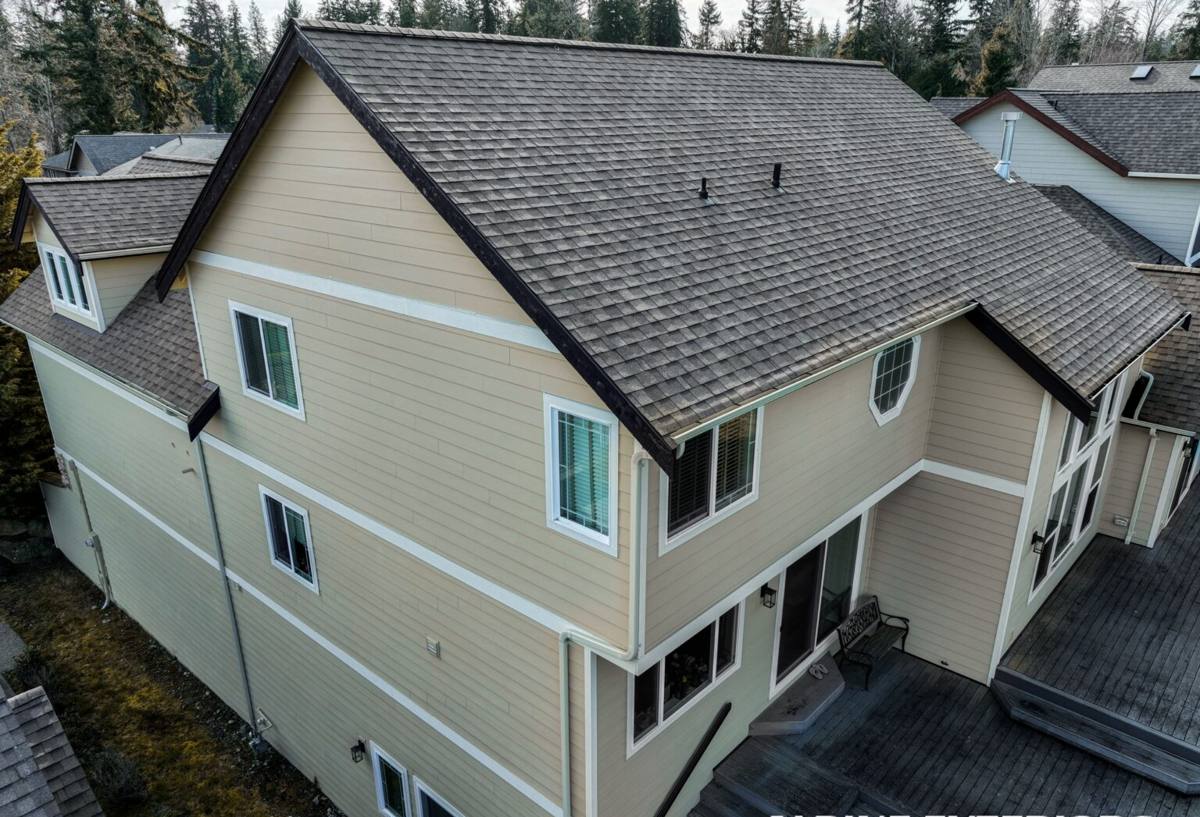
Signs a Disston Heights Deck Needs Replacement, Not Another Repair
We get called out to a lot of decks where the owner wants "a few boards swapped," and sometimes that's genuinely all it needs. But there's a point where patching individual boards is just delaying a bigger, more expensive failure — and in some cases it's masking a safety issue. Here's how to tell which situation you're in.
Structural red flags
- Any bounce, sway, or give when you walk across the deck or lean on the railing
- Soft, spongy, or spring-back decking boards, especially near the house or stair landing
- Visible gaps, rust streaks, or movement where the deck attaches to the house (the ledger board)
- Posts that show cracking, soft wood, or separation at the base where they meet concrete footings
- Railings that flex noticeably or fasteners that have worked loose or rusted through
When repair still makes sense
If the framing underneath is sound and the problem is isolated — a handful of weathered boards, a railing section, surface graying — repair or partial resurfacing is the honest recommendation, and we'll tell you that instead of selling a full replacement you don't need. Full replacement becomes the right call when the structural frame, ledger connection, or footings are compromised, or when the deck is old enough that the cost of repeated repairs starts approaching the cost of doing it right once.
What a Correct Deck Replacement Actually Involves
A deck replacement done right is mostly about what you don't see once the decking boards are down. In St. Petersburg's climate, three things matter more than the surface material: the ledger attachment, the fastener hardware, and the framing itself.
Ledger board and structural framing
The ledger board — where the deck ties into the house — is the single most common point of failure on older decks in this area, because it's a horizontal surface bolted to the house band board, sitting exactly where wind-driven rain hits hardest. A correct replacement means proper flashing behind and over the ledger, through-bolted (not just nailed) connections, and joist hangers and hardware rated for exterior, corrosion-prone use. Framing lumber and spacing get sized to current Florida Building Code wind and load requirements, not just matched to whatever was there before.
Fasteners and hardware
Standard galvanized fasteners corrode faster near the coast than most homeowners expect, especially in contact with pressure-treated lumber's chemical treatment, which can accelerate corrosion in the wrong hardware. We use fasteners and connectors rated for coastal and treated-lumber exposure — this is a small line-item cost difference that has an outsized effect on how long the structure lasts before hardware failure becomes the weak point again.
Decking material selection
The visible decking surface is where homeowners spend the most time deciding, and it's genuinely a trade-off decision, not a right-or-wrong one. The table below reflects how each option actually performs under St. Petersburg sun, humidity, and salt air — not just its price tag.
| Material | Upfront Cost | Performance in This Climate | Maintenance |
|---|---|---|---|
| Pressure-treated pine | Lowest | Prone to UV graying, checking, and warping without regular sealing; shortest realistic lifespan near the coast | Annual cleaning and re-sealing recommended |
| Composite decking | Mid-range | Resists rot and insects well; some early-generation composites hold heat and moisture, so board quality matters | Periodic washing; no sealing needed |
| Capped composite / PVC | Higher | Best resistance to UV fading, moisture, and salt exposure of the common options; holds color and shape longest | Occasional washing only |
| Tropical hardwood | Higher | Naturally dense and rot-resistant, but installation is unforgiving and finish maintenance is ongoing | Regular oiling to prevent graying and checking |
We don't push one material on every job. We'll walk through the honest trade-offs — upfront cost versus maintenance time versus how the deck will actually be used — and let you land on the material that fits your household, not our margin.
Permits and Code Requirements in St. Petersburg
Deck replacement in the city of St. Petersburg and unincorporated Pinellas County generally requires a permit, particularly when the structural frame, footings, or ledger attachment is being replaced — which is most of what "deck replacement" means as opposed to a cosmetic resurface. Permitted work gets inspected at key stages (footings, framing, sometimes final), which is a good thing for you: it's a second set of eyes confirming the structure meets current Florida Building Code wind and load requirements before it's covered up or your family is standing on it. A contractor who's used to pulling permits in this specific jurisdiction moves through this step efficiently instead of it becoming a weeks-long holdup on your project.
Our Deck Replacement Process
- On-site assessment. We inspect the existing deck's framing, ledger connection, footings, and hardware to determine what's actually driving the failure — not just what's visible from the top.
- Honest scope and estimate. You get a written estimate that separates structural work from surface material choice, so you can see exactly what you're paying for and where the cost differences come from.
- Permitting. We handle the permit application and coordinate required inspections with the city or county.
- Demolition and disposal. The old deck comes out, including footings or framing that don't meet current code, and debris is hauled off — not left in the yard.
- Framing and structural rebuild. New framing, ledger flashing and attachment, and footings go in to current code, using coastal-rated fasteners and hardware throughout.
- Decking, railing, and stairs. Your chosen material is installed with attention to fastening patterns and spacing that account for board expansion in Florida heat and humidity.
- Final walkthrough and inspection. We review the finished deck with you and complete final inspection sign-off before calling the job done.
Timeline
Most residential deck replacements in the Disston Heights area run from a few days to a couple of weeks once permitted, depending on deck size, framing complexity, and material lead times. Weather and permit review timing are the two biggest variables, and we'll give you a realistic window up front rather than an optimistic one that slips.
Protecting Your New Deck From Sun, Rain, and Salt Air
A correctly built deck still needs some basic upkeep to hit its full lifespan in this climate. This is the maintenance routine we recommend to homeowners after a replacement:
- Rinse the deck surface periodically to clear salt residue and pollen buildup, especially after dry spells followed by rain
- Check railing posts, stair connections, and the ledger area for movement or rust staining once or twice a year
- Keep gutters and downspouts directing water away from the deck structure, not onto it
- Reseal wood decking on the schedule appropriate to the product — don't wait until graying is severe
- Trim back landscaping that traps moisture against framing or footings
- After any named storm or high-wind event, do a quick visual check of railings and stair stringers before regular use resumes
Why a Crew That Already Works in Disston Heights Matters
Deck construction here isn't generic carpentry — it's carpentry that has to account for Pinellas County permitting norms, Florida Building Code wind requirements, and a coastal climate that punishes shortcuts on hardware and flashing. A crew that regularly works Disston Heights and the surrounding St. Petersburg neighborhoods already knows the local permitting process, has a track record with the same building department reviewing your application, and has seen firsthand how different materials and fastening methods actually hold up a few years down the road in this specific environment — not just in a manufacturer's spec sheet written for a different climate. That local, repeated experience is what turns a deck replacement into a one-time project instead of a recurring one.
If your deck is showing its age or you're just ready to stop patching it, we're happy to come out, take an honest look at the structure, and walk you through what full replacement would actually involve for your home — no pressure, no obligation. Use the form below to request a free estimate.