 St. Petersburg Roofing
 Windows Built for How Disston Heights Actually Weathers
Disston Heights is one of St. Petersburg's older, established neighborhoods, and a lot of the housing stock reflects that — mid-century block homes and ranch-style houses that have been added onto, updated, and lived in for decades. Original windows in these homes are often single-pane aluminum units that were fine for their era but were never designed for the sustained UV load, wind-driven rain, and salt-laden air that a Pinellas County house takes on year after year. When we replace windows in this neighborhood, we're not just swapping glass — we're correcting decades of thermal stress, seal failure, and frame corrosion that Florida's climate causes faster than most homeowners expect.
Custom windows means the units are sized and detailed to your specific rough openings rather than forced into a generic size, which matters a lot on older homes where openings have shifted slightly over the years or where a retrofit needs to match existing trim and stucco lines. Done right, it's as much about the installation as it is about the product.
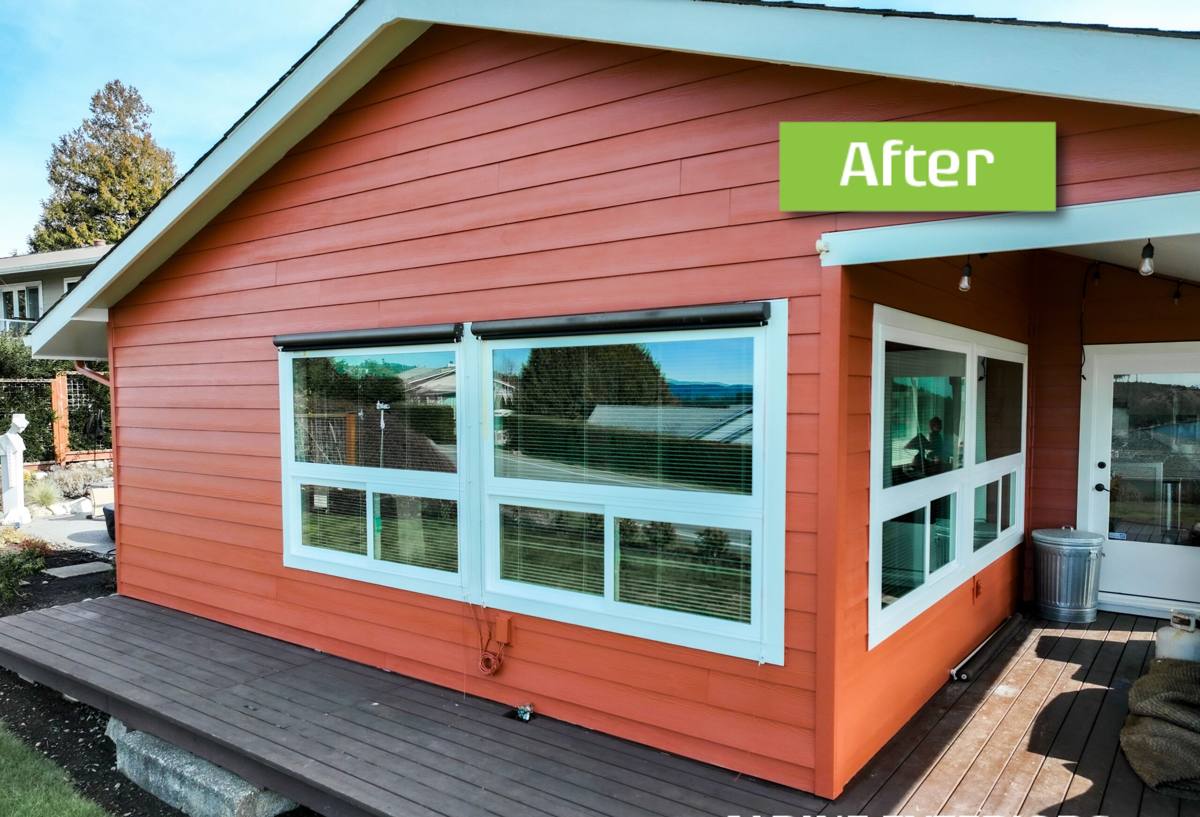
What St. Petersburg's Climate Does to Windows
Four things drive window failure here, and any honest conversation about replacement has to start with them:
- Hurricane-force wind loads. Pinellas County sits in a high-velocity hurricane zone, and even outside of a named storm, sustained gusts flex frames and stress seals over time.
- Year-round UV exposure. Florida sun degrades vinyl, weatherstripping, and glazing seals faster than in most of the country — there's no real off-season for UV damage here.
- Wind-driven rain. Storms in this area rarely come straight down. Rain gets pushed sideways into frames and flashing details that weren't built to handle it, which is where most water intrusion starts.
- Salt air. Being close to Tampa Bay and the Gulf means airborne salt accelerates corrosion on hardware, fasteners, and aluminum components, even several miles inland.
Any one of these will wear down a window eventually. Together, they're why a window that would last 30 years in a drier, calmer climate might show real problems in half that time here if it wasn't installed correctly in the first place.
Signs Your Current Windows Are Losing the Fight
- Fogging or a cloudy haze between panes (seal failure in the insulated glass unit)
- Frames that feel warm to the touch or let in a draft during a windy afternoon
- Difficulty opening, closing, or locking — often a sign the frame has racked out of square
- Visible corrosion or pitting on hardware, tracks, or screws
- Water staining on interior sills or nearby drywall after heavy rain
- A noticeable jump in cooling costs without any other explanation
What a Correct Installation Actually Involves
The window unit itself is only part of the job. Most window failures we get called out to inspect trace back to installation shortcuts, not a bad product. A correct install includes:
Accurate Measurement and Custom Sizing
We measure every opening individually rather than assuming uniformity across a house, especially on older Disston Heights homes where openings may have settled or been modified over past renovations. Custom-sized units eliminate the gaps and shims that generic sizing forces, which is where air and water find their way in.
Proper Flashing and Waterproofing
Flashing tape and sealant details around the window opening are what actually stop wind-driven rain from getting behind the frame and into the wall cavity. This step is invisible once the job is done, which is exactly why it's the step that gets skipped by crews trying to move fast — and exactly why we don't skip it.
Fastening Rated for Local Wind Loads
Fastener type, spacing, and embedment into structural framing all have to meet Florida Building Code requirements for our wind zone. This isn't optional detailing — it's what keeps a window in the opening during a serious wind event.
Sealant and Finish Work
Interior and exterior sealant beads need to be continuous and compatible with your siding or stucco finish. A rushed sealant job looks fine for a year or two and then starts failing right when you need it most — during storm season.
Comparing Window Options for This Climate
There's no single "right" window for every home, but here's how the common choices stack up for a Pinellas County house:
| Window Type | Wind/Impact Performance | Maintenance | Best Fit |
|---|---|---|---|
| Impact-rated vinyl | Strong — meets FBC high-velocity zone requirements without shutters | Low — won't corrode, minimal upkeep | Most Disston Heights replacements, especially street-facing walls |
| Impact-rated aluminum | Strong — narrower sightlines, good structural strength | Moderate — powder-coated finishes hold up well but hardware needs occasional checks | Homes wanting slimmer frame profiles or matching existing aluminum trim |
| Non-impact with code-approved shutters | Adequate when shutters are actually deployed before a storm | Higher — shutters require storage, maintenance, and someone home to install them | Budget-conscious projects where impact glass isn't feasible yet |
| Standard single-pane (not recommended for replacement) | Poor — no wind-borne debris protection | High — frequent reseals, early hardware failure | Not something we install as new work in this climate |
We don't install single-pane windows as replacements here — not because the product itself is defective, but because it doesn't match what a coastal Pinellas County home actually needs to hold up long term, and we'd rather tell you that up front than sell you something we know will disappoint you in five years.
Permits and Code in Pinellas County
Window replacements in St. Petersburg require a permit and have to meet the wind pressure and impact requirements of the Florida Building Code for our county's wind zone. This isn't paperwork for its own sake — the permit process includes inspection of the exact things that determine whether a window survives a storm: fastening, flashing, and structural attachment. We handle the permitting and coordinate inspections as part of the job, so you're not left tracking that down yourself.
Our Process
- On-site assessment. We walk the home, measure every opening, and check for any moisture or framing issues behind the existing windows before quoting anything.
- Product selection. We go over impact ratings, frame material, and finish options based on your home's exposure and your budget — no upselling to a spec you don't need.
- Custom order. Units are built to your exact opening dimensions rather than pulled off a generic size chart.
- Permit and scheduling. We pull the necessary Pinellas County permit and schedule the install around weather, since a good install shouldn't be rushed through a rain window.
- Installation. Removal of the old unit, inspection of the framing underneath, proper flashing, code-compliant fastening, and finish sealant — done one opening at a time so your home stays secure throughout.
- Final walkthrough and inspection. We confirm operation, sealing, and finish with you, and coordinate the county inspection to close out the permit.
Why a Crew That Already Works Disston Heights Matters
A neighborhood like this has a real mix of original mid-century construction, additions built in different decades, and homes that have had partial updates over the years. A crew that's worked here before knows what's typically hiding behind a stucco reveal or an older aluminum frame, and isn't guessing at how the wall assembly goes together once the old window comes out. That translates into fewer surprises mid-job, more accurate quotes up front, and a finished install that actually matches how the rest of the house was built — not a one-size-fits-all approach borrowed from a different type of home.
It also means we're familiar with the specific permitting expectations and inspection process for St. Petersburg and Pinellas County, so there's no learning curve slowing your project down.
What This Typically Costs
Custom window pricing depends on frame material, impact rating, size, and how many openings you're doing at once — a single problem window costs very differently than a whole-house replacement. Impact-rated units cost more upfront than non-impact windows, but for most homeowners in this area that difference is offset over time by lower insurance premiums, no shutter maintenance, and not having to scramble before every storm watch. We'll walk through real numbers for your specific home during the estimate rather than quoting a rough range that may not apply to your situation.
If your windows are original, fogged, drafty, or just due for an upgrade, we're happy to take a look and give you a straight answer — no pressure, no obligation. Reach out below for a free estimate and we'll get you a clear picture of what your Disston Heights home actually needs.