 St. Petersburg Roofing
 Custom Decks for Roser Park, St. Petersburg
Roser Park sits close to downtown St. Petersburg, with the kind of older, character-rich homes and mature tree canopy that make a well-built deck feel like a natural extension of the house rather than a bolted-on afterthought. Outdoor living space matters here — Pinellas County gives homeowners months of usable outdoor weather, but that same climate is hard on lumber, fasteners, and finishes. A deck built for a different part of the country simply doesn't hold up the same way in a neighborhood this close to Tampa Bay. When we build custom decks in Roser Park, we're building for this specific block, this specific soil, this specific sun exposure, and this specific storm risk — not a generic template.
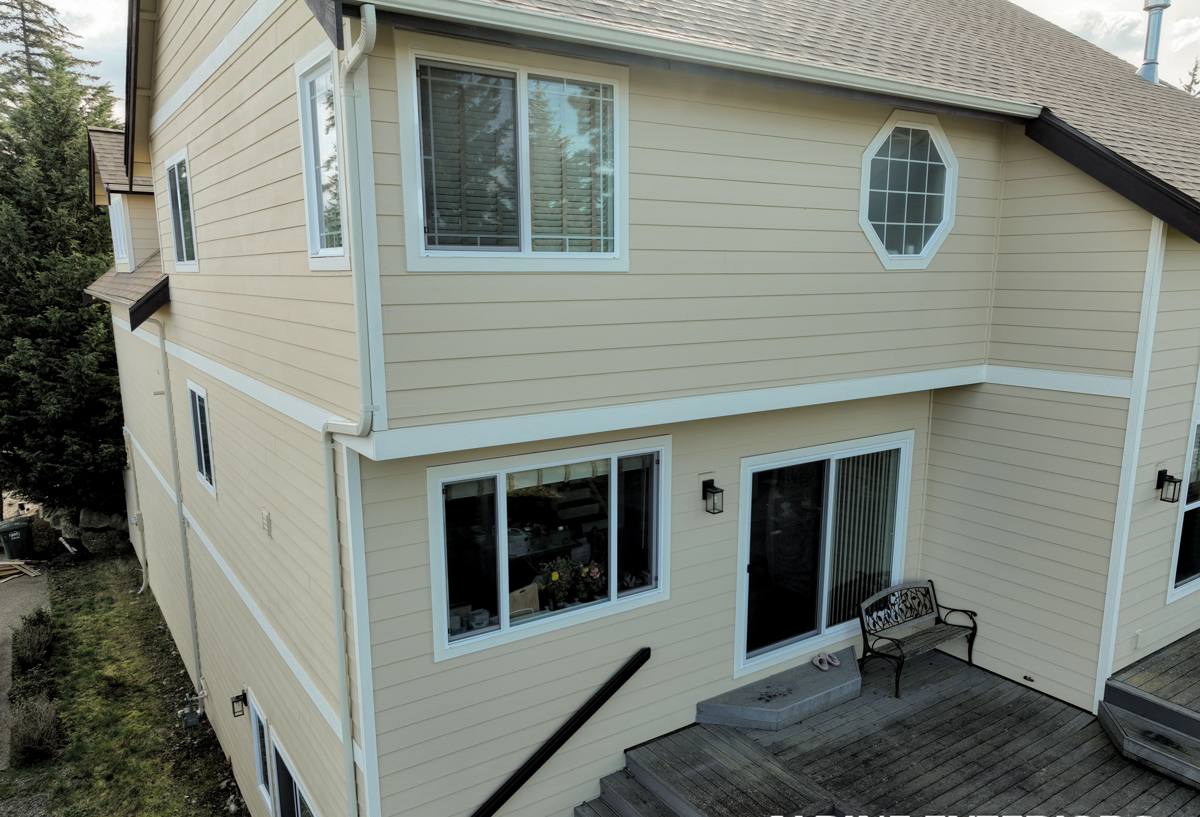
What This Climate Does to a Deck
St. Petersburg's climate is beautiful and brutal at the same time. A handful of local realities shape every decision we make on a deck build here:
- Intense, year-round UV — Florida sun bleaches and dries out wood fiber faster than most parts of the country, which accelerates checking, splintering, and finish failure if the wrong products are used.
- Wind-driven rain — St. Petersburg storms rarely fall straight down; wind pushes rain sideways and up under rails, ledger boards, and joints where standard flashing details fail.
- Salt air — Even a few miles inland, Gulf and bay-adjacent air carries salt that accelerates corrosion on unprotected fasteners, hardware, and metal connectors.
- Hurricane-force wind loads — Pinellas County sits in a wind zone where ledger attachment, post connections, and guardrail bracing need to meet real structural loads, not just look sturdy.
- Humidity and afternoon showers — near-daily moisture cycling means decking that traps water or doesn't drain will show rot, mildew, and cupping years before it should.
None of these factors are unique to Roser Park specifically, but the neighborhood's mix of older housing stock, mature trees (which mean more shade cycling and organic debris), and proximity to downtown means decks here see a particular combination of shade/sun transitions and drainage challenges that a cookie-cutter install doesn't account for.
What a Correctly Built Deck Actually Involves
Foundation and Framing
Everything starts below the decking boards. In this soil and moisture environment, footings need to be sized and set to local frost-free depth requirements (not a concern here the way it is up north, but drainage around footings absolutely is) and posts need to be rated for ground contact where they meet concrete. We use hardware and fasteners rated for coastal exposure — stainless steel or heavy hot-dip galvanized, not the bargain-bin coated screws that start rusting within a season of salt air exposure.
Ledger Attachment
The ledger board — where the deck ties into the house — is the single most common failure point on decks nationwide, and it's especially critical in a wind zone like ours. Proper flashing keeps wind-driven rain from wicking into the house rim joist, and structural lag bolts or through-bolts (never just deck screws) carry the load and resist uplift in a storm.
Decking Material
What you walk on matters as much as what's underneath it. In St. Petersburg's UV and moisture combination, we steer homeowners toward composite or PVC decking for most applications, or properly sealed and maintained pressure-treated or hardwood species if a traditional wood look is the priority. Each has real trade-offs worth understanding before you choose.
Guardrails and Stairs
Railing height, baluster spacing, and stair geometry all follow Florida Building Code requirements, and in a hurricane-prone county, rail posts need to be through-bolted into framing — not just screwed to fascia boards — to hold up under wind load and normal use over time.
Comparing Decking Materials for This Climate
| Material | UV/Sun Behavior | Moisture Behavior | Maintenance | Typical Lifespan Here |
|---|---|---|---|---|
| Pressure-treated pine | Fades and grays without regular sealing | Absorbs water, prone to cupping/splintering if not sealed | Reseal/stain every 1-2 years | 10-15 years with upkeep |
| Composite decking | Fade-resistant formulations hold color well | Doesn't absorb water like wood; some early-generation products trapped moisture at fastener points | Occasional washing, no sealing | 20-30 years |
| PVC decking | Very stable in high UV, minimal fading | Fully moisture-resistant, doesn't rot | Low — soap and water | 25-30+ years |
| Tropical hardwood (e.g., ipe) | Naturally UV-resistant but will silver without oiling | Naturally rot-resistant, dense grain | Annual oiling to keep color | 25+ years, very installation-sensitive |
We don't push one material on every homeowner — the right choice depends on budget, how much upkeep you actually want to do, and whether you're after a natural wood look or a low-maintenance surface. What we do insist on is matching the fasteners, framing hardware, and installation method to whatever decking you choose, because a great board on a poorly detailed frame will fail regardless of the material label.
Why Hurricane and Coastal Detailing Isn't Optional
A deck that looks finished on installation day can still be under-built for what Tampa Bay throws at it. Pinellas County's wind exposure means we treat every custom deck as a structure that has to survive tropical storm-force gusts, not just support foot traffic on a calm afternoon. That means:
- Post-to-beam and beam-to-joist connections rated for uplift, not just gravity load
- Corrosion-resistant structural connectors at every load-bearing joint
- Guardrail posts anchored into structural framing members, never just decking or fascia
- Proper spacing and blocking so wind can't get underneath and lever the structure
This is also why we never treat a deck build as a purely cosmetic project. It's a structure attached to your home, exposed to real wind loads, and it needs to be engineered — even at a modest residential scale — with that in mind.
Our Process for a Roser Park Deck Project
- On-site walkthrough — we look at your yard's drainage, sun/shade pattern, tree root proximity, and how the deck will tie into your home's structure and grade.
- Design and material conversation — we talk through decking material, rail style, footprint, and any code considerations specific to your lot and the house's age.
- Permitting — most new decks and deck rebuilds in St. Petersburg require a permit; we handle the application and inspections so you don't have to chase paperwork.
- Foundation and framing — footings, posts, beams, and joists built to structural load and local wind requirements, with corrosion-resistant hardware throughout.
- Decking, rails, and finish work — installed per manufacturer spec (composite and PVC products in particular are picky about fastening and gapping for expansion).
- Final walkthrough — we go over the finished deck with you, including any maintenance expectations for the material you chose.
What to Check Before You Sign With Any Deck Contractor
- Do they pull a permit, or are they suggesting you skip it?
- Do they specify corrosion-resistant (stainless or coastal-rated) fasteners, or is it left vague?
- Can they explain how the ledger board will be flashed against your specific siding type?
- Do they carry liability insurance and workers' comp, and will they show you proof?
- Do they give you a written scope with material brands/grades named, not just "decking" and "railing" as line items?
Common Mistakes We See on Older Decks in This Area
When we're called out to repair or replace an existing deck in the Roser Park area, the failures tend to repeat themselves: ledger boards attached with deck screws instead of structural bolts, missing or failed flashing where the deck meets the house, standard carbon-steel hardware rusted through from salt air exposure, and decking installed tight with no gap for expansion, causing buckling. Every one of these is preventable with correct detailing at the time of install — it's rarely a material failure, it's almost always an installation shortcut.
Why Local Experience with This Specific Area Matters
A crew that already works in and around St. Petersburg understands the practical realities that don't show up in a spec sheet: how the older lots in neighborhoods like Roser Park are graded, how mature tree cover changes moisture retention under a deck, and what Pinellas County's permitting office actually expects on a submittal. That familiarity shortens the permitting process, avoids rework, and means the deck is designed around how your yard and home actually sit — not a generic layout dropped onto your lot.
Maintaining Your Deck After Installation
Even a well-built deck needs occasional attention in this climate. Composite and PVC decking mostly need periodic washing to keep pollen, mildew, and salt residue from building up. Wood decking needs more regular sealing or oiling to fight UV fading and moisture absorption. Twice a year, it's worth checking that guardrails are still tight, fasteners haven't started rusting, and there's no standing water pooling under the structure — catching a small issue early is far cheaper than a structural repair later.
If you're planning a new deck or need to replace one that's showing its age, we're happy to come take a look and give you a straightforward, no-pressure estimate — just fill out the form below.