 St. Petersburg Roofing
 Windows Built for the Way Crescent Lake Homes Actually Live
Crescent Lake sits close enough to Tampa Bay that its homes deal with the same weather punishment as anywhere else in Pinellas County — but the housing stock here adds its own wrinkle. This is one of St. Petersburg's older, established neighborhoods, with a lot of bungalow-style and mid-century homes built long before modern hurricane glazing codes existed. That combination — older framing, original window openings that were never square to begin with, and a coastal climate that doesn't forgive shortcuts — is exactly why custom windows, rather than off-the-shelf replacement units, tend to be the right call in this part of town.
"Custom" here doesn't mean fancy. It means the window is built to the actual opening in your wall, not the other way around. On a lot of Crescent Lake homes, forcing a standard size into an opening that's shifted a half-inch out of square over sixty-plus years is how you end up with gaps, drafts, and water finding its way in during the next heavy squall off the bay.
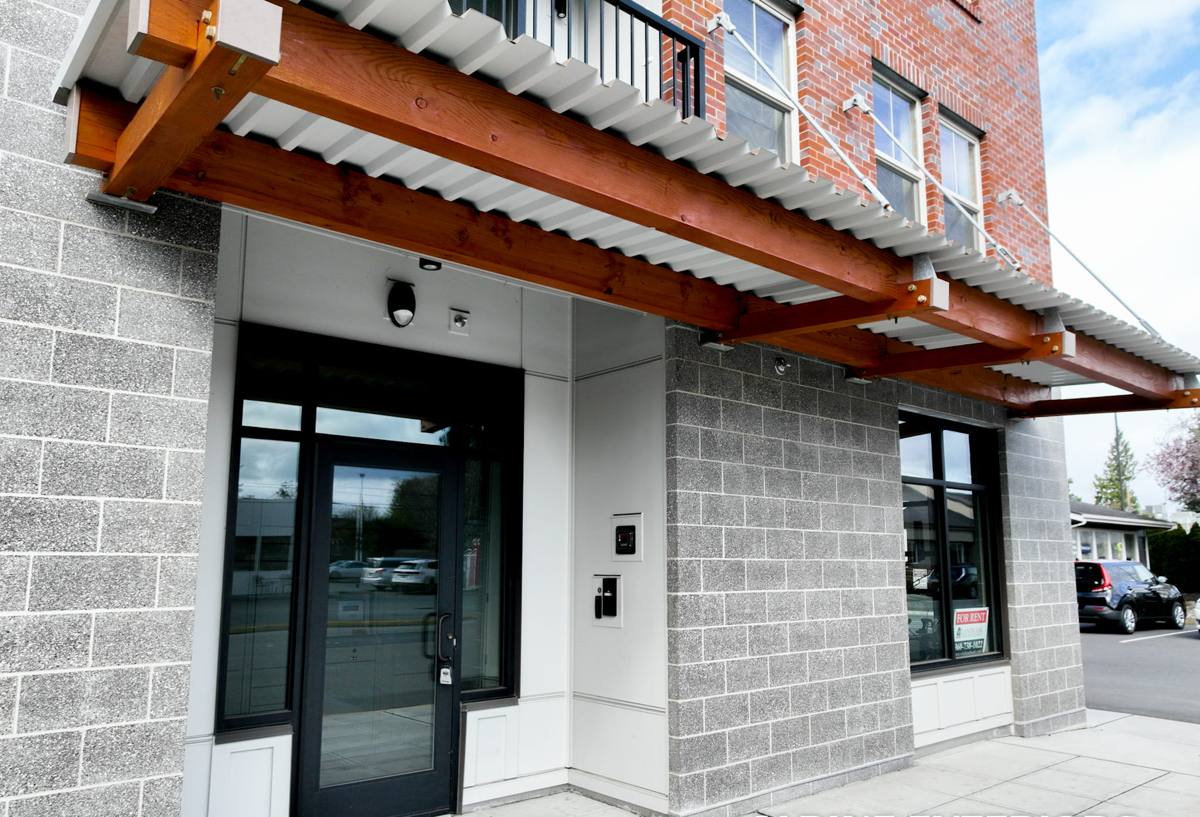
What St. Petersburg's Climate Does to Windows
Pinellas County homeowners deal with a specific combination of stressors that most of the country doesn't have to think about:
- Hurricane-force wind loads — even homes outside the immediate storm surge zones need glazing and framing rated to withstand sustained high wind and pressure changes.
- Wind-driven rain — Florida storms don't just drop rain, they push it sideways under poorly sealed frames and through failed weep systems.
- Intense, near-constant UV — vinyl, seals, and low-quality glazing coatings degrade faster here than almost anywhere else in the country, causing yellowing, warping, and premature seal failure.
- Salt air — even a few miles inland from the bay, airborne salt accelerates corrosion on hardware, screws, and metal components that aren't rated for a marine-adjacent environment.
Any one of these will wear down a cheap window. All four together, applied year-round, is why a window that performs fine in a milder climate can fail here in a fraction of the time.
What This Means Specifically for Crescent Lake's Older Homes
Original single-pane wood windows from the neighborhood's earlier building era were never designed for today's storm codes. Even windows replaced a couple of decades ago are often reaching the end of their realistic service life — seals fail, frames warp, and hardware corrodes well before the glass itself gives out. If you're feeling drafts, seeing condensation between panes, or fighting windows that won't stay latched, that's typically seal or frame failure, not something that can be fixed with weatherstripping alone.
What a Correct Custom Window Job Involves
Getting this right on a Crescent Lake home is less about the window itself and more about the details around it. A window is only as good as its installation.
Accurate Measurement of the Actual Opening
Older openings are rarely perfectly square or level anymore. We measure the real conditions — width, height, diagonal, and level — at multiple points, not just once at the center, so the window we order actually fits without being forced or shimmed excessively.
Proper Flashing and Water Management
This is where most window failures actually start. Flashing has to be integrated with the existing wall assembly correctly, lapped so water sheds outward and down, and sealed at every penetration. On a home exposed to wind-driven rain off the bay, a flashing mistake you can't see on day one will show up as rot and interior water stains a year or two later.
Storm-Rated Glazing and Frame Selection
Depending on your specific location and elevation, code may call for impact-rated glass, or it may allow laminated glass with an approved protective system. We'll walk you through what applies to your address rather than guessing or over-selling you on more than the code and the situation actually require.
Corrosion-Resistant Hardware
Fasteners, hinges, and locking hardware need to be rated for coastal exposure. Standard hardware corrodes faster here, and once hardware seizes or corrodes, it compromises the window's ability to seal and lock properly — which matters a great deal during storm season.
Sealing That Matches the Wall Assembly
The interior and exterior sealant, backer rod, and insulation around the frame all have to be compatible with the wall's existing materials — this is especially true on older stucco or wood-sided homes where the original assembly wasn't built with modern sealants in mind.
How Our Process Works
- On-site assessment — we look at your existing openings, wall assembly, and any signs of past water intrusion or settling before recommending anything.
- Honest scope conversation — some homes need full-frame replacement, others can use an insert approach. We'll tell you which applies and why, including the trade-offs.
- Precise measurement and custom order — every opening is measured individually; we don't batch-order a standard size and make it fit.
- Removal and flashing correction — old units come out, and we address the flashing and any hidden damage before the new window ever goes in.
- Installation and sealing — set, shimmed, fastened, and sealed to spec, with attention to how it ties into the surrounding wall.
- Final walkthrough — we check operation, seal integrity, and finish work with you before calling the job done.
Why a Crew That Already Works Crescent Lake Matters
Window work in an established neighborhood like this isn't the same as working a new-construction subdivision. Crews unfamiliar with older Pinellas County housing stock tend to underestimate how far out of square original openings can be, or they apply a one-size-fits-all installation approach that doesn't account for the wall assemblies common in homes of this era. That shows up later as leaks, sticking sashes, or premature seal failure — problems that are far more expensive to fix after the fact than to get right the first time.
A crew with actual experience in St. Petersburg's older neighborhoods knows what to expect before the tape measure comes out: where settling is likely, how local stucco and wood siding assemblies typically flash, and what wind and rain exposure looks like on homes at this elevation and this distance from the bay. That local pattern-recognition is worth more than it sounds like on paper — it's the difference between a window that's sealed correctly the first time and one that needs revisiting after the next storm season.
Comparing Window Approaches for a Home Like Yours
| Factor | Standard Off-the-Shelf Replacement | Custom-Built Window |
|---|---|---|
| Fit to older, out-of-square openings | Often requires forcing, extra shimming, or gap-filling | Built to the actual opening dimensions |
| Long-term seal performance | Higher risk of gaps developing over time | Tighter, more consistent seal at install |
| Storm/code compliance | May not match your specific wind zone requirements | Specified to your address's actual requirements |
| Upfront cost | Generally lower | Higher, reflecting custom fabrication |
| Best suited for | Newer homes with standard, square openings | Older homes, irregular openings, high wind exposure |
Cost Factors Worth Understanding
Pricing on custom window projects varies a lot based on real conditions, so treat any number you hear without a site visit as a rough guess. The factors that actually move the price:
- Number and size of openings — larger and more numerous windows increase both material and labor cost.
- Frame material — vinyl, aluminum, fiberglass, and wood-clad options carry different price points and different long-term maintenance demands in a coastal climate.
- Glazing requirements — impact-rated glass costs more than laminated glass with a separate protective system, but each has different installation and long-term implications.
- Condition of the existing opening — hidden rot, prior water damage, or significant out-of-square conditions add labor before the new window ever goes in.
- Full-frame vs. insert replacement — full-frame replacement costs more but is often the right call when the existing frame is compromised.
We'll walk through these factors specific to your home during the estimate rather than quoting a number sight unseen — the range for a real project only makes sense once we've seen your actual openings.
Before You Call Anyone: A Quick Self-Check
A few signs that your Crescent Lake home's windows are past due for attention:
- Windows that are difficult to open, close, or latch securely
- Visible gaps, drafts, or daylight around the frame when closed
- Condensation or fogging between panes on double-glazed units
- Peeling paint, soft wood, or staining on the interior wall below or around a window
- Noticeably higher street noise or temperature swings near certain windows compared to others
- Corroded or stiff hardware that didn't used to stick
Any one of these is worth a look. Several together usually means the window and its installation are both due for replacement rather than repair.
A Straightforward Next Step
If your Crescent Lake home has windows that are original, aging, or just not performing the way they should against St. Petersburg's wind, sun, and salt air, we're glad to take a look and give you a straight answer about what's actually needed. We'll assess your specific openings, explain the trade-offs honestly, and put together a free, no-pressure estimate using the form below.