 St. Petersburg Roofing
 Why Coquina Key Windows Wear Out Faster Than You'd Expect
Coquina Key sits on the water, and that's exactly why its windows take a harder beating than homes a few miles inland. Being surrounded by canals and open bay exposure means salt-laden air is a constant, not an occasional coastal breeze. Salt corrodes aluminum frames, pits hardware, and breaks down seal integrity years before it would in a drier, inland climate. Add in Florida's year-round UV load — Pinellas County gets strong, direct sun nearly every month — and you get frame plastics that fade and go brittle, and old single-pane glass that lets heat pour straight into the living room.
Then there's storm season. Wind-driven rain doesn't just test a window's seal once during a hurricane — it tests it every heavy summer thunderstorm, several times a week, for months. A window that's a little out of level or a little under-flashed will show it as a water stain on the sill long before a named storm ever gets close. If your windows are original to the house or are a builder-grade replacement from a couple decades back, there's a good chance they're already working against you on your power bill, your comfort, and your risk of moisture intrusion.
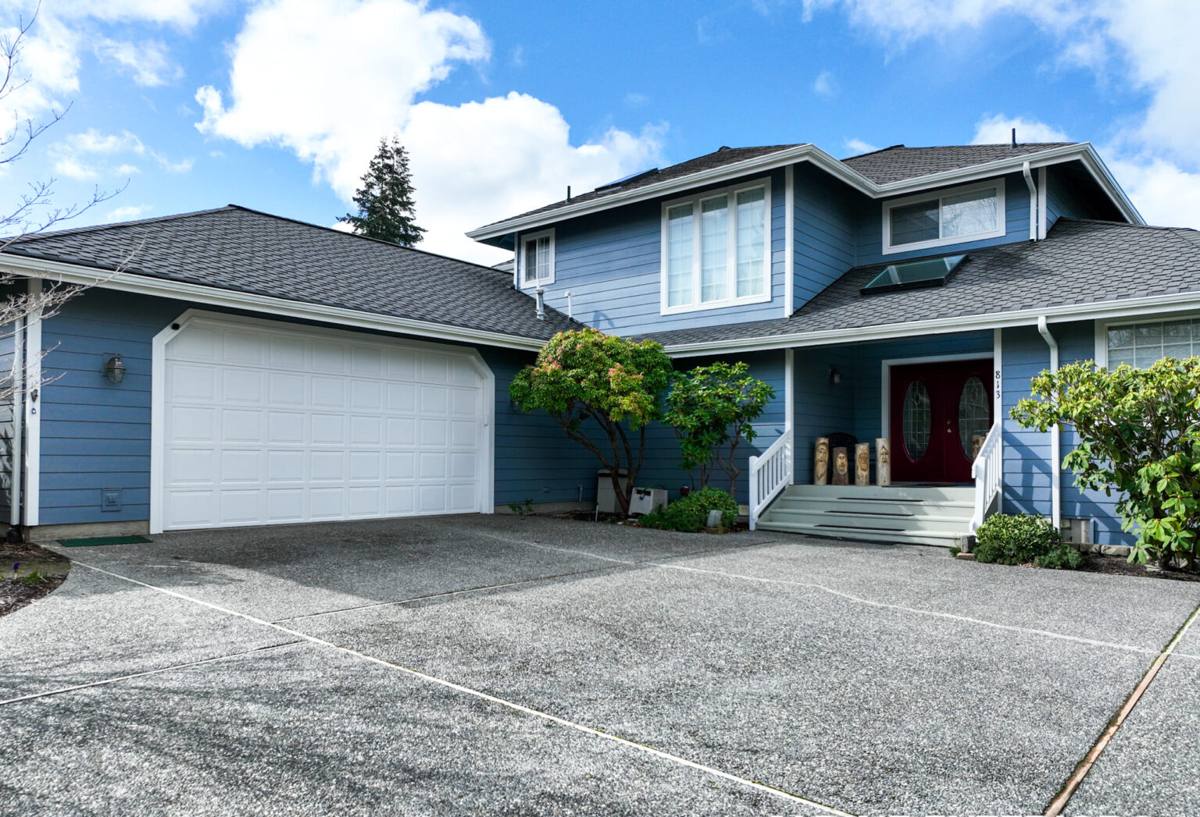
What "Energy-Efficient" Actually Means in This Climate
"Energy-efficient" gets used loosely in window marketing, so it's worth being specific about what actually matters for a canal-front home in St. Petersburg.
Low-E Glass and Solar Heat Gain
In this climate the priority is keeping solar heat out, not keeping furnace heat in. That means a low-E coating tuned for a low Solar Heat Gain Coefficient (SHGC), not a coating optimized for cold-climate heat retention. Get this backwards and you'll have a window that's technically "energy-efficient" on paper but still lets your west-facing rooms bake all afternoon.
Frame Material and Salt Exposure
Frame choice matters as much as the glass. Cheap aluminum corrodes and pits near saltwater; vinyl handles salt air well but needs a formulation that resists UV embrittlement; fiberglass costs more but shrugs off both salt and sun with minimal maintenance. On a property this close to the water, we weigh frame durability at least as heavily as the energy numbers themselves — a window that fails structurally in eight years was never actually efficient.
Impact Rating vs. Add-On Protection
Pinellas County's coastal wind zones generally call for either impact-rated windows or an approved protection system on new installs and many replacements. Impact glass does double duty here: the laminated interlayer that resists wind-borne debris also cuts noise and blocks a meaningful share of UV and heat, so you're not choosing between storm protection and efficiency — a correctly specified impact window gives you both.
Signs Your Coquina Key Home's Windows Are Costing You Money
Most homeowners don't replace windows because of one dramatic failure — it's a slow accumulation of small tells. Walk your house and check for these:
- Glass that's warm or even hot to the touch on the interior side during the afternoon sun
- Condensation or fogging between the panes of a double-pane unit (a sign the seal has failed)
- Frames that are chalky, pitted, or have visible corrosion around hardware and hinges
- Difficulty opening, closing, or locking — often a sign the frame has racked or warped
- Visible daylight or a draft you can feel around the frame when it's closed and locked
- Water staining, soft drywall, or a musty smell on the wall below or beside the window
- A/C running noticeably longer on hot, sunny afternoons compared to overcast days
Window Options That Actually Hold Up on a Canal Lot
Not every "energy-efficient" window sold in this market is built for salt air and storm exposure. Here's how the common options compare for a Coquina Key application specifically.
| Frame Type | Salt Air Durability | Efficiency Performance | Typical Trade-Off |
|---|---|---|---|
| Vinyl (coastal-grade) | Good — won't corrode | Strong with low-E, multi-chamber design | Can discolor over time if UV package is low-grade |
| Fiberglass | Excellent | Strong, dimensionally stable in heat swings | Higher upfront cost |
| Aluminum (standard) | Poor — pits and corrodes near water | Moderate; conducts heat unless thermally broken | Lowest cost, shortest coastal lifespan |
| Aluminum (thermally broken, coastal finish) | Fair to good with proper coating | Improved, but still a metal frame | Cost sits between vinyl and fiberglass |
| Impact laminated glass (any frame above) | N/A — glass upgrade | Adds UV and heat rejection, cuts noise | Heavier, higher glass cost, requires proper frame rating |
Our standard on canal-front and open-exposure lots is coastal-rated vinyl or fiberglass frames paired with a low-SHGC low-E impact glass package. We don't install bargain aluminum on direct water exposure — not because it can't be sold as "energy-efficient," but because we've seen how fast it corrodes here, and we'd rather set that expectation up front than have a customer replacing frames again in a decade.
What a Correct Installation Involves
The window itself is maybe half the job. The other half is how it goes into the wall, and that's where most premature failures actually start.
Flashing and Water Management
Wind-driven rain needs a path to shed away from the framing, not a place to collect. That means proper flashing tape, a sloped sill pan, and sealant compatible with both the window frame and the wall substrate — not just a bead of caulk around the outside trim.
Fastening and Structural Anchoring
Impact and high-wind-rated windows are only as strong as their anchoring. Fastener spacing, embedment depth, and buck condition all have to match the window's tested installation instructions and the product approval, not a generic "close enough" pattern.
Sealing Without Trapping Moisture
Over-sealing a window so it can't breathe at all traps whatever moisture does get in, which rots framing from the inside. Correct installation uses sealant and backer rod in the right locations while still allowing incidental water an exit path.
Code Compliance and Product Approval
Every window we install on a coastal-exposure property in this county carries a valid Florida product approval or Miami-Dade NOA rating matched to the home's actual wind zone and exposure category — not just whatever rating happens to be printed on the box.
Our Process From Estimate to Final Inspection
- On-site assessment — we measure openings, check for wall rot or settling, and confirm the home's wind zone and exposure requirements
- Product selection — we walk through frame and glass options against your budget and how exposed your specific elevation is (canal-facing sides usually need a heavier spec than street-facing ones)
- Permitting — we pull the required permit and confirm the specified product approval covers your address's wind pressure requirements
- Removal and prep — old units come out, the opening is inspected for hidden water damage before anything new goes in
- Installation — flashing, anchoring, and sealing done to the manufacturer's tested method, not a shortcut version
- Final inspection — county inspection sign-off and a walkthrough with you before we call the job done
Permitting and Insurance in Pinellas County
Window replacements in St. Petersburg require a permit, and impact-rated or wind-mitigation-compliant windows can affect your homeowners insurance premium — sometimes meaningfully, since wind mitigation credits are a real line item on Florida policies. We provide the documentation (permit closure, product approval numbers) you'll want on file for your insurer or for a future wind mitigation inspection.
Why Hiring a Crew That Already Works Coquina Key Matters
A contractor who mostly works inland neighborhoods may not default to coastal-rated products or think twice about aluminum frames, because that's what holds up fine where they usually work. On a canal lot with direct salt exposure, that assumption costs you a shorter window lifespan. Working this neighborhood regularly means we already know which elevations take the worst of the sun and salt, what the county inspectors want to see on a permit for this kind of lot, and which product specs actually hold up here versus which ones just look good on a spec sheet.
It also means fewer surprises during the job itself. Coquina Key's housing stock leans toward homes built in the 1960s and 70s, and older openings sometimes need minor framing correction before a new window will seat and seal properly. A crew unfamiliar with that vintage of construction can miss it; a crew that's opened up similar walls before knows to check for it up front.
Maintenance That Actually Extends the Life of the Investment
Energy-efficient windows are a long-term investment, and salt air means they need a bit more upkeep here than they would inland.
- Rinse frames and tracks with fresh water every few months to clear salt buildup, especially after storms
- Check weep holes on aluminum-frame units to make sure they aren't clogged with salt residue or debris
- Inspect exterior sealant annually for cracking or separation, and have it addressed before it becomes a leak
- Operate locks and hardware periodically even on windows you rarely open, to keep mechanisms from seizing
Get a Straight Answer for Your Home
Every canal lot and every elevation is a little different, and the right window spec for a shaded street-side room isn't the same as what a west-facing waterfront wall needs. If you'd like a clear, no-pressure look at what your Coquina Key home actually needs — and what it would cost to do it right — fill out the form below and we'll set up a free estimate.