 St. Petersburg Roofing
 Windows Built for What Childs Park Actually Deals With
Childs Park sits inland from the bay and the Gulf, but "inland" in Pinellas County doesn't mean sheltered. Every home here still answers to the same forces that batter the rest of St. Petersburg: hurricane-force wind gusts during the season, punishing UV exposure nearly every day of the year, wind-driven rain that finds its way through the smallest gap, and a fine layer of salt air that travels further inland than most homeowners expect. Windows are one of the largest openings in your building envelope, and when they're the wrong product or a poor installation, they're also the weakest point.
"Custom" windows aren't an upsell term for us — it's a description of the job. Very few homes in this part of St. Petersburg have perfectly standard, off-the-shelf window openings, especially once you get into older construction with settled framing, non-standard rough openings, or additions built at a different time than the original structure. A correct window job starts with measuring what's actually there, not assuming a catalog size will fit.
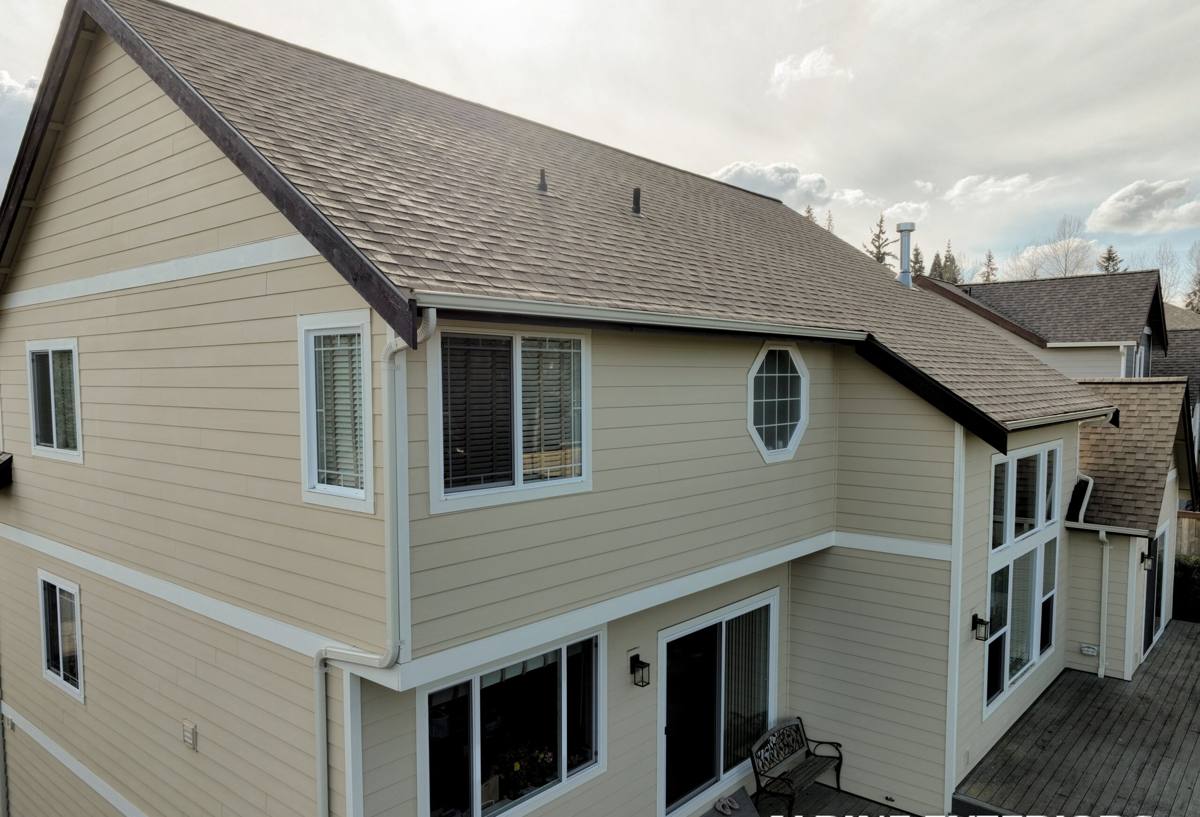
What Childs Park Homes Typically Need
Older Housing Stock, Older Openings
Like much of St. Petersburg's established neighborhoods, many homes in this area were built decades ago, long before current wind-load and impact standards existed. That means original openings are often slightly out of square, framed for glass thicknesses no longer sold, or previously modified by a past owner or contractor. Ordering a stock-size replacement window for one of these openings almost always means gaps, shims, and extra trim work to hide the mismatch — or worse, a window that's caulked into place and called finished.
A Mix of Renovation Stages
It's common to see a home where one or two windows were already updated at some point and the rest are original. Custom work in that situation means matching sightlines and trim reveal across old and new openings so the house doesn't end up with a patchwork look from the street.
Sun Exposure on Every Elevation
Florida sun doesn't play favorites by compass direction the way it does in northern climates. West-facing rooms take the worst of it in the afternoon, but south and east exposures still see enough UV over a full year to break down poor-quality frames, seals, and low-end glass coatings well before their expected lifespan.
What a Correct Window Job Involves
A window is only as good as the four things holding it in the wall: the frame material, the glass package, the flashing and sealing, and the fastening into structural framing. Skip or shortcut any one of those and the others don't matter.
- Opening inspection — checking for wood rot, corrosion, or moisture damage around the existing frame before anything new goes in.
- Accurate field measurement — every opening measured individually; we don't assume openings on the same wall match.
- Product selection — matching frame material and glass package to the specific exposure (sun, wind zone, rain direction) of that opening.
- Proper flashing and weatherproofing — sealing the rough opening correctly before the window is set, not just caulking the exterior trim after.
- Structural fastening — anchoring into framing per manufacturer and code specifications, especially important for impact-rated products.
- Interior and exterior finish — trim, caulking, and paint-ready or paint-matched finish work so the install looks intentional, not patched.
Material and Glass Options
There's no single "best" window for every home — the right choice depends on the opening's exposure, the home's age, and your budget. Here's how the common options actually compare for a St. Petersburg property.
| Option | Best For | Trade-Offs |
|---|---|---|
| Impact-rated vinyl or aluminum | Homes wanting code-compliant wind protection without separate shutters | Higher upfront cost; heavier sash requires solid frame installation |
| Standard (non-impact) with separate shutter protection | Budget-conscious replacements on openings not requiring impact glass by code | Requires storm prep every season; shutters add labor and storage needs |
| Aluminum frames | Larger openings, contemporary styling, coastal durability | Conducts heat more than vinyl; needs quality thermal break to avoid condensation |
| Vinyl frames | Energy efficiency, lower maintenance | Can expand/contract more in extreme heat if lower-grade material is used |
| Laminated impact glass | Wind-borne debris protection, sound dampening, UV/UV-coating options | Heavier, requires reinforced frame and correct anchoring |
For most Childs Park homes, the deciding factor isn't which of these is "better" in the abstract — it's which one matches that specific opening's exposure, the rest of the home's existing windows, and what you're trying to solve (energy bills, storm prep hassle, noise, or simply windows that no longer open and close properly).
Salt Air, UV, and Wind: Why Standard Products Underperform Here
We've moved away from installing certain lower-grade window products as a standing shop policy, not because a brand is "bad" in some blanket sense, but because our own experience with Pinellas County's specific combination of salt exposure, intense UV, and wind-driven rain has shown where certain designs fall short over time:
- Frames without marine-grade or coastal-rated hardware can corrode at hinges and locks faster than inland climates would suggest.
- Glass coatings not rated for high UV exposure can discolor or degrade seals years ahead of their warranty expectations.
- Installation methods that rely heavily on exterior caulk instead of proper flashing tend to let wind-driven rain in during angled storms, which is the normal rain pattern here, not the exception.
- Warranty structures that don't clearly cover coastal/salt-air environments can leave homeowners without recourse when a frame does start to break down.
None of this means every product outside our standard lineup is unusable — it means we've made choices based on what holds up in this specific climate, and we'll walk you through why for your particular opening.
Our Process, Start to Finish
The process is the same whether it's one window or a whole-house replacement — we just don't skip steps to save time.
- On-site walkthrough and individual measurement of every opening.
- Written estimate covering frame material, glass package, and installation scope — no vague allowances.
- Permitting handled through the applicable county/city process before work begins.
- Removal of existing windows with protection of interior finishes and landscaping.
- Opening prep, including addressing any rot or moisture damage found during removal.
- Installation with proper flashing, sealing, and structural fastening.
- Interior and exterior finish work.
- Final walkthrough and cleanup before we consider the job done.
Questions to Ask Before You Sign With Anyone
- Is the estimate itemized by window, or is it one lump number with no breakdown?
- Who pulls the permit, and is that cost included?
- What's the actual glass and frame spec — not just "impact windows," but the manufacturer and product line?
- Who does the physical installation — the company's own crew, or a subcontractor you've never met?
- What's covered under warranty, and for how long, specifically for frame, glass seal failure, and hardware?
- Will they show you the county wind-zone requirement for your specific address before recommending a product?
Cost Factors to Expect
We don't publish flat per-window pricing because the range on a genuinely custom job is wide — but these are the factors that actually move the number, in rough order of impact:
| Factor | Why It Matters |
|---|---|
| Impact-rated vs. standard glass | Impact glass and reinforced frames cost more in materials and labor, but reduce or eliminate separate storm prep |
| Opening size and shape | Non-standard, oversized, or custom-shaped openings require more fabrication time |
| Number of openings and access | Second-story or hard-to-access windows add labor time |
| Existing damage found during removal | Rotted framing or moisture damage discovered mid-project requires repair before the new window goes in |
| Frame material | Vinyl, aluminum, and higher-end composite frames carry different material costs |
| Permitting requirements | Local permitting and inspection costs vary and are typically itemized separately |
The only way to get a real number is a walkthrough of the actual openings — broad online estimators can't account for the condition behind your existing trim.
Why a Local Crew Matters for This Job Specifically
Window installation isn't just a product swap — it's construction work that touches your home's structure, weatherproofing, and code compliance all at once. A crew that regularly works in St. Petersburg and Pinellas County already knows the permitting process, understands how wind-zone requirements apply to different parts of the county, and has seen the kind of opening conditions common in neighborhoods like Childs Park — settled framing, older construction methods, mixed renovation history. That familiarity shows up in fewer surprises mid-project and fewer callbacks after the fact, because the crew isn't learning the local building department's expectations on your job.
It also matters for follow-up. If a seal needs attention or a hinge needs adjustment two years down the road, you want a company that's still working in your area, not one that did a single job here and moved on.
Maintaining Custom Windows in a Coastal Climate
Even the right product needs basic upkeep to hit its full lifespan in this environment:
- Rinse frames and tracks periodically to clear salt residue, especially after windy periods.
- Check exterior caulk lines annually for cracking or separation, particularly after hurricane season.
- Lubricate hardware (locks, hinges, rollers) on a regular schedule to prevent corrosion-related sticking.
- Inspect weep holes on impact and sliding windows to make sure they're clear and draining properly.
- Address any soft spots in surrounding trim or framing promptly — small moisture issues get expensive fast in this climate.
If you're weighing options for a window project in Childs Park, we're glad to take a look and walk you through what your specific openings actually need — no pressure, no generic quote pulled from a national price list. Request a free estimate below and we'll schedule a time to come look at the job in person.