 St. Petersburg Roofing
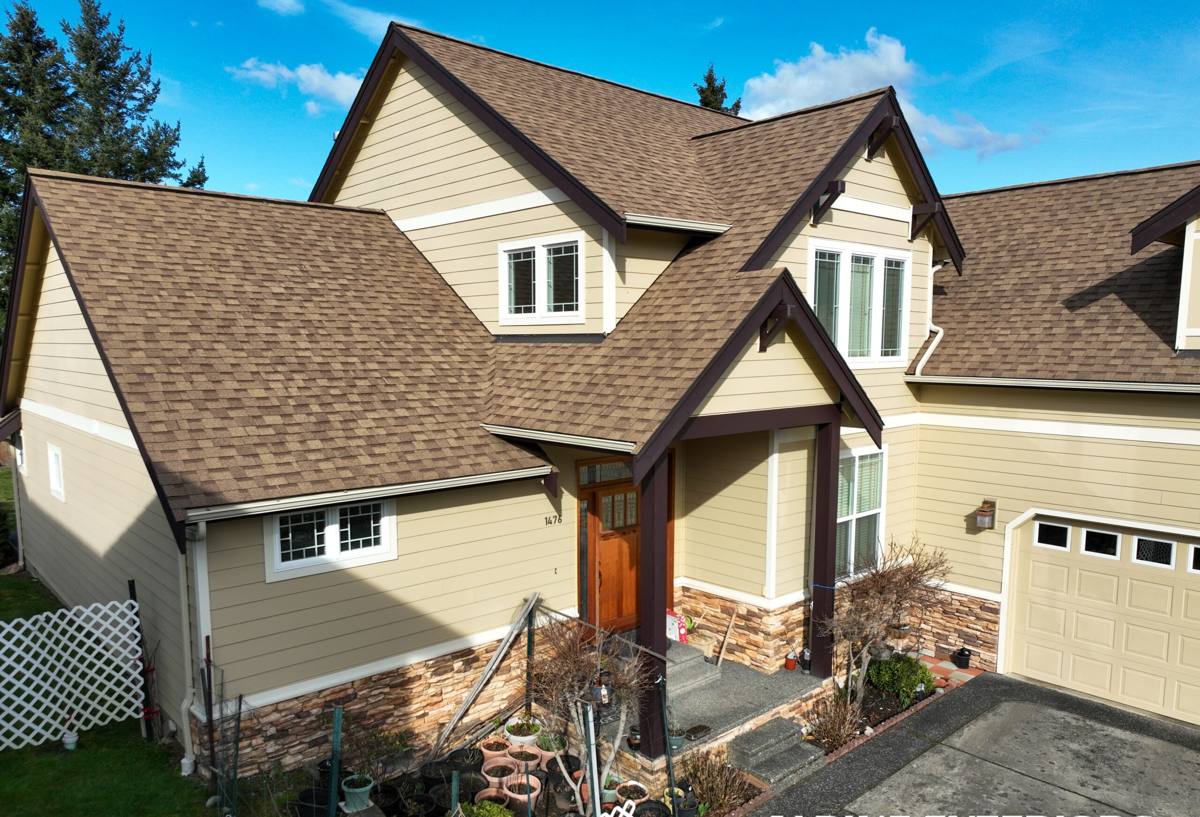
 Asphalt Shingle Roofing Built for Childs Park's Climate
Childs Park is a well-established residential neighborhood in St. Petersburg, and like the rest of Pinellas County, it sits squarely in one of the toughest roofing climates in the country. Asphalt shingle roofs here don't fail because the material is bad — they fail because they weren't installed, flashed, or maintained with this climate in mind. Between hurricane-force wind events, intense year-round UV exposure, wind-driven rain, and salt-laden air moving inland off Tampa Bay and the Gulf, a shingle roof in Childs Park is working harder than the same roof would be almost anywhere else in the country.
That doesn't mean asphalt shingles are a poor choice for this neighborhood. It's still the most common, most cost-effective, and — when installed correctly — one of the more storm-resilient roofing systems available for the typical single-family homes found throughout this part of St. Petersburg. The difference between a shingle roof that lasts its full service life and one that needs premature repairs almost always comes down to installation detail and the quality of materials used underneath the shingles, not the shingles themselves.
How Pinellas County Conditions Attack a Shingle Roof
UV and Heat Cycling
Florida sun is relentless. Asphalt shingles rely on a granule coating to protect the asphalt layer underneath from UV degradation. Day after day of intense sun, combined with attic heat buildup, gradually breaks down that asphalt, causing granule loss, curling, and brittleness years before a shingle rated for a milder climate would show the same wear. Roofs with poor attic ventilation age faster because trapped heat cooks the underside of the decking and shingles simultaneously.
Wind-Driven Rain and Hurricane Gusts
Standard wind ratings assume rain falling mostly straight down. During tropical storms and hurricanes, rain gets driven sideways and upward under wind pressure, finding any gap in flashing, nail placement, or shingle overlap. Wind uplift is the other half of the problem — shingles that are nailed high, under-nailed, or installed with the wrong nail pattern for their wind rating are the ones that end up scattered across a yard after a strong gust, not necessarily the oldest ones on the roof.
Salt Air Exposure
Even neighborhoods that aren't waterfront still see salt carried on the wind across the Pinellas peninsula. Salt accelerates corrosion on any exposed metal — nail heads, flashing, drip edge, pipe boots — well before the shingles themselves reach the end of their service life. A roof with quality, properly coated fasteners and flashing holds up noticeably longer than one where corner-cutting was used to save a few dollars on hardware.
What a Correct Shingle Roof Installation Actually Involves
A shingle roof is a system, not a single product. Every layer underneath the visible shingles matters as much as the shingles themselves, especially in a climate like ours.
| Component | Why It Matters Locally |
|---|---|
| Deck inspection and repair | Soft or delaminated decking won't hold nails securely under hurricane-force wind loads |
| Synthetic or felt underlayment | Acts as the secondary water barrier when wind-driven rain gets under shingles |
| Starter strip at eaves and rakes | Prevents wind from catching the first course and peeling the roof from the edge inward |
| Nailing pattern and fastener count | Correct nail placement is what the wind rating is actually tested against |
| Flashing at valleys, walls, and penetrations | The majority of leaks trace back to flashing, not shingle failure |
| Ridge and soffit ventilation | Reduces attic heat buildup that shortens shingle life from underneath |
Skipping or rushing any one of these steps is how a roof that looks fine from the street ends up leaking during the next tropical system or losing shingles in a routine summer thunderstorm.
Signs a Childs Park Roof Needs Attention
- Granules collecting in gutters or at downspout outlets
- Shingles that look curled, cupped, or have visibly lifted edges
- Dark streaking or algae growth across large sections of the roof
- Soft spots or sagging when walked on (should be assessed by a professional, not tested by walking it yourself)
- Water stains on interior ceilings, especially near chimneys, skylights, or roof valleys
- Visible daylight through the attic decking
- Missing or torn shingles after a wind event, even a minor one
- Cracked or rusted flashing around vents and pipe boots
Any one of these on its own isn't necessarily an emergency, but ignoring several at once is how a repairable roof turns into a full replacement.
Repair or Replace? Honest Cost Factors
Not every roofing issue in Childs Park calls for a full tear-off. The right call depends on the roof's age, the extent of damage, and what's happening underneath the surface.
| Factor | Leans Toward Repair | Leans Toward Replacement |
|---|---|---|
| Roof age | Under 12-15 years | Approaching or past manufacturer's expected service life |
| Damage extent | Isolated to one section or a specific event | Widespread granule loss or curling across the roof |
| Decking condition | Solid, no soft spots | Multiple soft or rotted areas found during inspection |
| Leak history | First occurrence, source identified | Recurring leaks in different locations |
| Insurance/storm damage | Minor, localized wind or hail impact | Documented storm damage across a large portion of the roof |
Pricing for either path varies with roof size, pitch, decking condition, and material grade, so we don't quote broad numbers before actually seeing the roof. What we will tell you honestly, on-site, is whether repair is a reasonable option or whether you'd be spending money patching a roof that needs to come off anyway.
Our Process for Childs Park Homeowners
- Inspection. We get on the roof (not just look from the ground) and check decking, flashing, ventilation, and shingle condition, then walk you through what we actually find.
- Written estimate. Clear scope of work, materials, and pricing — no vague line items.
- Material selection. We discuss shingle class, wind rating, and warranty options suited to Pinellas County conditions, not whatever is cheapest to move off a supplier's shelf.
- Tear-off and deck prep. Old material removed, decking inspected and repaired where needed before anything new goes down.
- Installation to manufacturer and local code specification. Proper underlayment, starter strip, nailing pattern, and flashing — the details that determine whether the roof performs in a storm.
- Final walkthrough. We show you the completed work and go over warranty coverage before we consider the job done.
A Note on Shingle Selection
Higher-wind-rated architectural shingles generally make more sense than basic three-tab shingles for homes in this part of Florida, given the storm exposure. They cost more up front but carry better wind ratings and heavier granule coverage, which holds up better against UV breakdown over time. We'll explain the trade-offs for your specific roof rather than pushing one product line, since the right choice depends on your budget, roof pitch, and how long you plan to stay in the home.
Why Local Experience in Childs Park Matters
A crew that regularly works in St. Petersburg neighborhoods like Childs Park already understands the county's permitting and inspection process, knows what wind-rating and code requirements apply here, and has seen firsthand how roofs in this specific climate actually fail over time — not just how they're supposed to perform on paper. That local familiarity shows up in details: which flashing details hold up against wind-driven rain here, how much ventilation an attic in this climate actually needs, and how to sequence work efficiently around Florida's unpredictable summer storm patterns so a job doesn't sit half-finished when weather rolls in.
It also matters for accountability. A local, established roofing company is easy to reach for warranty service or a follow-up question, and has a reputation in the community to maintain — not just a job to finish and move on from.
Maintaining Your Roof Between Services
- Have the roof inspected after any major storm, even if no damage is visible from the ground
- Keep gutters and downspouts clear so water isn't backing up under the shingle edge
- Trim overhanging branches that drop debris or scrape shingles in wind
- Check attic ventilation isn't blocked by insulation or debris
- Address small leaks and missing shingles quickly rather than waiting
- Schedule a professional inspection roughly once a year, more often as the roof ages
If you're noticing wear, planning ahead of storm season, or just want an honest read on where your roof stands, we're glad to take a look. The estimate is free, there's no pressure to move forward, and you'll get a straight answer about repair versus replacement before any work begins — just fill out the form below to get started.