 St. Petersburg Roofing
 Asphalt Shingle Roofing on a Barrier Island: Why St. Pete Beach Is a Different Job
St. Pete Beach sits on a narrow strip of land between the Gulf of Mexico and Boca Ciega Bay, which means every roof here takes a harder hit than one a few miles inland in St. Petersburg proper. Salt air moves through the neighborhood constantly, the sun is nearly overhead for most of the year, and when a storm comes through, this stretch of Pinellas County catches the wind and the wind-driven rain first. Asphalt shingle roofing can absolutely hold up to that environment, but only when it's specified and installed with those specific conditions in mind. A shingle roof built to a generic spec sheet, without accounting for salt exposure, UV load, and gusts coming straight off open water, tends to show its age years before it should.
This page covers what an asphalt shingle roof needs to survive and perform well on a St. Pete Beach home, what a correct installation actually involves, and how we approach the job from first inspection to final cleanup.
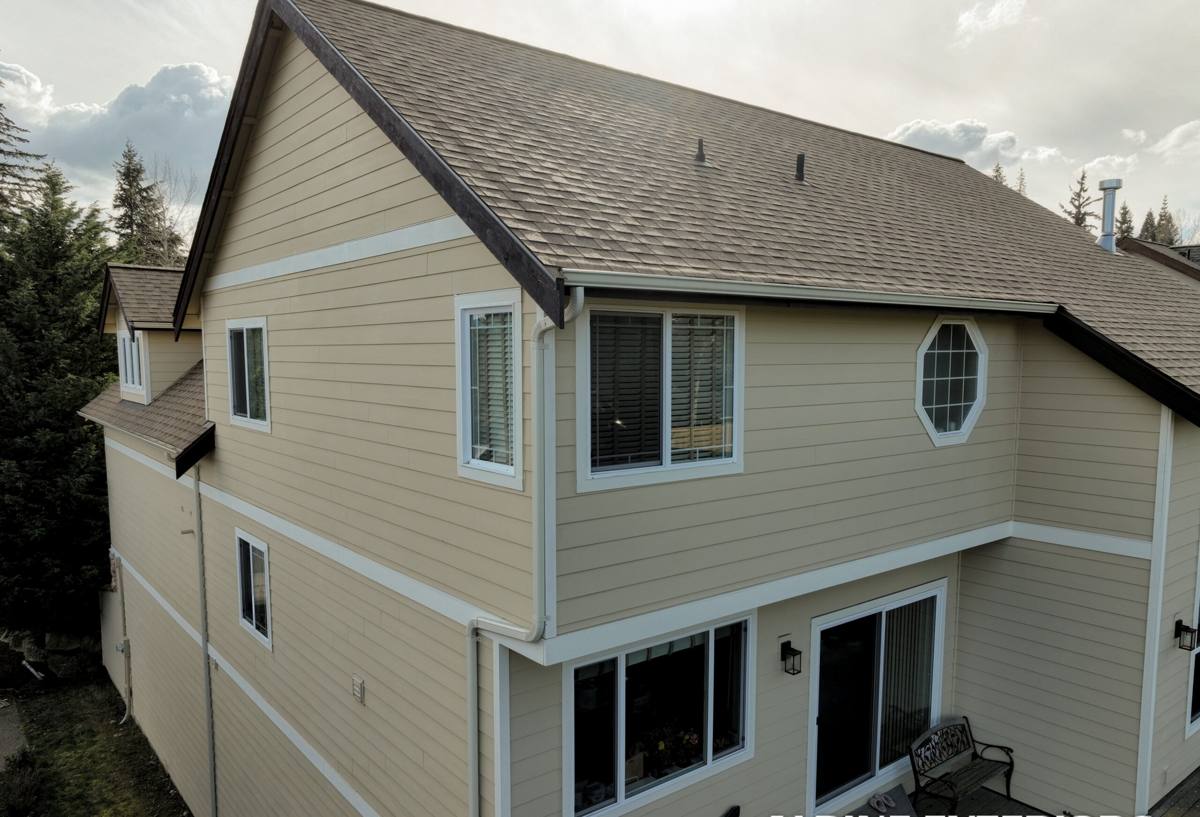
What the Coastal Environment Does to a Shingle Roof
UV and Heat
Florida sun is intense nearly all year, and a west- or south-facing slope on a St. Pete Beach roof can run significantly hotter than the surrounding air temperature on a clear afternoon. That heat cycle, day after day, dries out asphalt oils in lower-quality shingles, causes granules to loosen, and accelerates the aging process. It's the single biggest reason a shingle roof rated for a certain lifespan elsewhere often falls short of that number this close to the Gulf.
Salt Air and Corrosion
Airborne salt doesn't just affect metal railings and pool cages — it settles on roofing hardware, too. Exposed fasteners, cheap flashing, and unprotected metal drip edge corrode faster here than almost anywhere else in the county. Once a fastener starts to corrode, it loses holding power, and that's exactly the kind of weak point that fails during high wind rather than gradually.
Wind Uplift
Being this close to open water means St. Pete Beach roofs regularly deal with sustained wind and gusts that inland Pinellas neighborhoods see less often. Wind doesn't just push down on a roof — it creates uplift at edges, corners, and ridges, which is where most shingle failures start. The nailing pattern, the shingle's wind rating, and the quality of the edge detailing all matter more here than in a sheltered subdivision.
Wind-Driven Rain
A shingle roof doesn't have to lose shingles to leak. Wind-driven rain can be forced sideways and upward under shingle tabs and around flashing during a strong storm, which is why underlayment, flashing, and sealed seams carry as much weight as the shingles themselves in a coastal installation.
What a Correct Asphalt Shingle Installation Includes
A roof that's going to hold up on St. Pete Beach isn't just "shingles nailed to plywood." Every layer does a job:
- Deck inspection and repair — any soft, delaminated, or water-damaged sheathing gets replaced before a single shingle goes down. Fastening shingles over a compromised deck defeats the purpose of everything above it.
- Self-adhered or synthetic underlayment — a continuous water-resistant layer that becomes the roof's real defense if wind ever lifts or damages shingles during a storm.
- Corrosion-resistant flashing — at valleys, chimneys, walls, and any roof penetration, using metal or materials suited for salt exposure rather than basic mill-finish flashing that will corrode here faster than inland.
- Correct nailing pattern — the right number and placement of fasteners per shingle, matched to the shingle manufacturer's high-wind installation instructions, not just the minimum standard pattern.
- Starter strips and edge sealing — properly installed starter courses at eaves and rakes so the first row of shingles has full adhesive contact and wind resistance, since roof edges are where uplift failures usually begin.
- Balanced attic ventilation — intake and exhaust ventilation sized correctly so the attic doesn't trap heat and moisture, which shortens shingle life and can lead to deck problems over time.
Choosing the Right Shingle for a St. Pete Beach Home
Not every asphalt shingle product is a good fit for a home this close to the water. The table below outlines the general categories homeowners choose between and how they compare for a coastal Pinellas County property.
| Shingle Type | Typical Wind Rating | Best Fit For | Trade-Offs |
|---|---|---|---|
| 3-tab asphalt | Lower end of the range | Budget-conscious re-roofs on sheltered, inland structures | Thinner profile, generally shorter service life in high-UV, high-wind coastal exposure |
| Architectural / laminate asphalt | Mid to upper range, varies by product | Most St. Pete Beach homes; standard choice for coastal Florida | Higher upfront cost than 3-tab, but better wind performance and appearance |
| Impact-rated architectural asphalt | Upper range, plus impact resistance | Homes seeking possible insurance credit and added storm resilience | Highest material cost tier; may qualify for wind mitigation discounts — verify with your insurer |
For most homes in this area, we steer clients toward a mid-to-upper-tier architectural shingle rather than basic 3-tab. The cost difference over the life of the roof is usually small compared to the difference in how each product performs after a few Gulf-facing summers and storm seasons. We also favor shingles with algae-resistant granules, since the humidity here promotes streaking on roofs that don't have that protection built in.
Color and Heat Considerations
Lighter shingle colors reflect more solar heat, which can modestly ease attic temperatures and cooling load on a home that gets full sun exposure most of the day. It's not a dramatic difference, but on a beachfront or near-beach property with little shade, it's worth weighing alongside the home's overall style and any HOA or community color guidelines that may apply.
Our Process, Start to Finish
- Inspection and assessment — we get on the roof (or use a close visual and photo inspection when access is limited) and check the deck, flashing, ventilation, and current shingle condition, not just the surface.
- Written scope and estimate — a clear breakdown of what needs to be done, the materials involved, and the cost, with no vague line items.
- Material selection — we walk through shingle options suited to the home's exposure and your budget, including wind rating and warranty differences.
- Permitting — roofing work in the City of St. Pete Beach and unincorporated Pinellas County generally requires a permit and inspection; we handle that process as part of the job.
- Tear-off and deck repair — old roofing removed down to the deck, with any damaged sheathing identified and replaced before moving forward.
- Underlayment, flashing, and shingle installation — installed in the sequence and pattern that gives the roof its actual wind and water resistance, not just its finished look.
- Final inspection and cleanup — a walk-through of the finished roof, magnetic sweep of the property for stray fasteners, and haul-away of all debris.
Permits, Code, and Insurance in Pinellas County
Roofing work here falls under the Florida Building Code's wind-borne debris and high-wind provisions, which apply throughout coastal Pinellas County, including St. Pete Beach. In practical terms, that means inspectors and insurers care about documented nailing patterns, shingle wind ratings, and proper edge and flashing details — not just whether the roof looks finished. We pull the required permits and schedule the inspections as part of every re-roof, so there's a paper trail if you ever need it for insurance or resale.
It's also worth talking to your insurance agent about a wind mitigation inspection after a new roof goes on. Depending on the shingle product, fastening method, and roof-to-wall connections used, some homes qualify for meaningful premium credits. We can't promise a specific discount — that's between you and your carrier — but we build the roof to the standard that makes those inspections go smoothly.
Maintenance That Actually Matters This Close to the Water
Asphalt shingle roofs are low-maintenance compared to some other roofing types, but "low-maintenance" doesn't mean "no maintenance," especially in a salt-air environment. A short annual routine catches most problems while they're still cheap to fix.
- Walk the property after any significant storm and look for shingle granules collecting in gutters or downspouts — heavier-than-normal loss is a warning sign.
- Check exposed metal flashing and drip edge periodically for early corrosion, especially on the sides of the home facing open water.
- Keep gutters and valleys clear of debris so water has a clean path off the roof during heavy rain.
- Trim back overhanging branches that hold moisture against the roof surface or drop debris during wind events.
- Have the roof looked at after any named storm that produced sustained high wind in the area, even if nothing looks obviously wrong from the ground.
- Schedule a professional inspection roughly every couple of years, or sooner if the roof is approaching the back half of its expected service life.
Signs Your St. Pete Beach Roof Needs Attention
A few warning signs come up more often on homes in this immediate area than they do inland, usually tied to salt and wind exposure:
- Granule loss that's uneven across the roof, often heavier on wind-exposed slopes.
- Lifted or curling shingle edges, particularly near eaves, rakes, and ridges.
- Rust staining running down from flashing, vents, or other metal roof components.
- Soft spots or discoloration on interior ceilings after wind-driven rain events.
- Visible gaps or exposed nail heads along shingle edges after a storm.
None of these automatically mean a full replacement is needed — some are straightforward repairs. But catching them early is what keeps a repair from turning into a much larger job.
Why It Matters to Hire a Crew That Already Works St. Pete Beach
Roofing crews that mostly work inland don't spend much time thinking about salt-air fastener corrosion, wind-borne debris code requirements this close to the Gulf, or the way barrier island wind patterns differ from a shielded subdivision a few miles east. A crew that regularly works St. Pete Beach and the surrounding Pinellas County coast already knows which materials hold up here, what inspectors are looking for locally, and how to sequence a job around the area's weather patterns. That local familiarity shows up in fewer callbacks and a roof that's actually built for the conditions it has to survive, not just the conditions on a generic spec sheet.
If you're weighing a repair, a full replacement, or just want an honest read on where your current roof stands, we're happy to take a look. Reach out for a free, no-pressure estimate using the form below.