 St. Petersburg Roofing
 Roof Repair Built for Kenneth City's Climate
Kenneth City sits inland enough to feel removed from the water, but it isn't spared from what Pinellas County throws at a roof. Homes here still take direct hits from hurricane-force winds during storm season, sit under some of the most intense year-round UV exposure in the continental United States, and absorb wind-driven rain that finds every weak seam in a roof system. Add the salt air that drifts across the whole Tampa Bay peninsula, and you've got a combination that ages roofing materials faster than almost anywhere else in the country. A roof repair here isn't just patching a leak — it's addressing the specific way this environment breaks roofs down.
That's the lens we bring to every repair call in Kenneth City. We're not guessing at what Florida weather does to a roof; we see the same failure patterns street after street, season after season, and we repair accordingly.
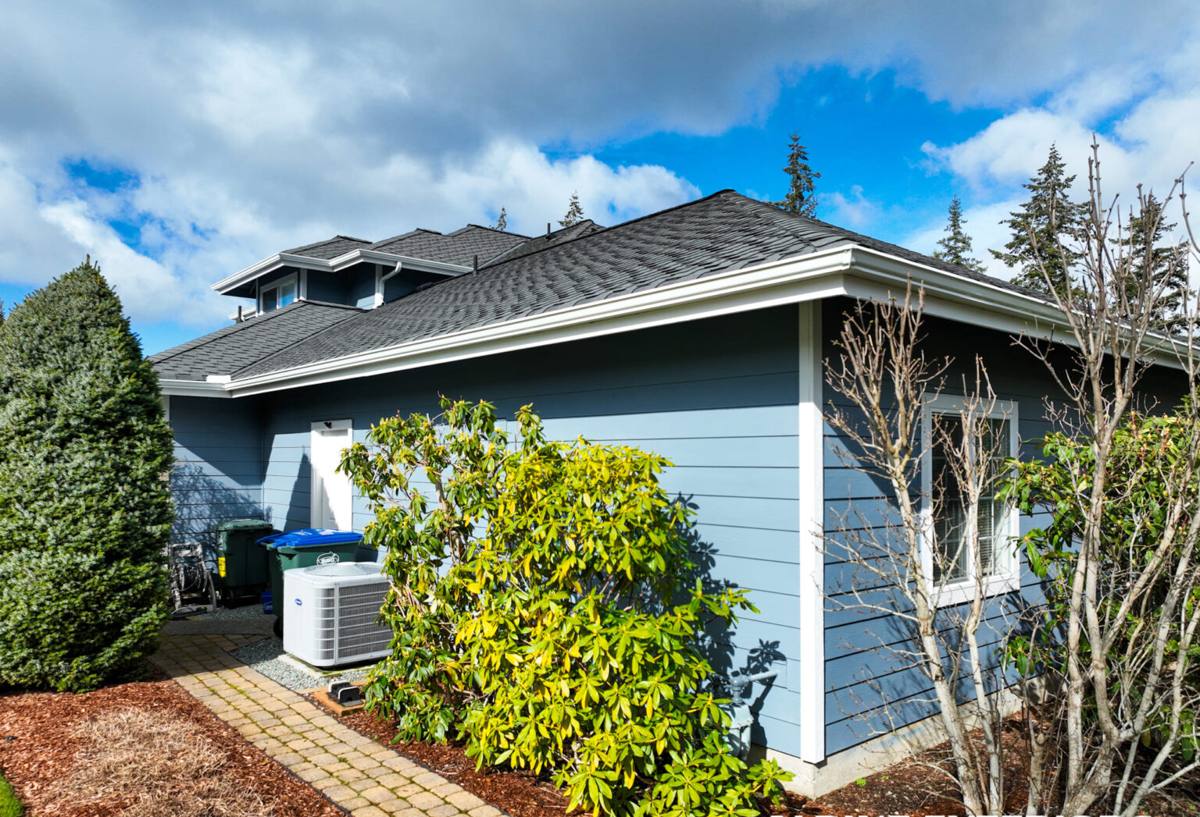
Why Roofs in This Area Fail the Way They Do
Wind and Uplift
Even a storm that doesn't make landfall directly can generate straight-line gusts strong enough to lift shingle tabs, work fasteners loose, and crack ridge caps. Once a shingle or tile is lifted even slightly, wind-driven rain gets underneath it on the next storm, and that's when a cosmetic problem becomes a leak.
UV Degradation
Florida sun is relentless. Asphalt shingles lose their protective granules faster here than in milder climates, and the asphalt underneath becomes brittle sooner. Brittle shingles crack instead of flexing, especially around vents, chimneys, and other roof penetrations. UV also breaks down exposed sealants and rubber boots around plumbing vents years before the shingles themselves need attention.
Wind-Driven Rain
Standard rainfall and wind-driven rain behave differently on a roof. Wind can push water sideways and upward under laps and flashing that would otherwise shed a normal downpour just fine. Most of the "mystery leaks" we're called out for in this area trace back to flashing or underlayment that was adequate for vertical rain but not for rain hitting the roof at an angle.
Salt Air Corrosion
You don't have to be waterfront to feel the effects of salt air in Pinellas County — it travels. Metal flashing, fasteners, vent boots, and exposed hardware corrode faster here than inland climates, and corroded metal is one of the most common hidden causes of a leak that seems to have "come from nowhere."
What a Correct Roof Repair Actually Involves
A repair that's done right starts with an honest diagnosis, not a guess based on where the stain shows up on the ceiling. Water travels before it drips, so the visible damage inside the house is often several feet from the actual entry point on the roof.
Diagnosis First
We look at the roof itself — decking condition, flashing points, vent boots, valleys, and the general age and wear of the roofing material — before we touch anything. A leak repaired at the wrong spot will resurface, usually during the next hard rain.
Matching Materials, Not Improvising
Shingles fade with UV exposure over time, so a patch using new material next to old will look mismatched and, more importantly, may not seal the same way against the surrounding courses. We match material type, profile, and where possible color as closely as the existing roof allows, and we're upfront when an exact match isn't available.
Flashing and Underlayment Done Properly
Most repairable leaks in this climate come down to flashing — around chimneys, skylights, walls, and roof-to-roof transitions — or underlayment that's failed. A correct repair replaces the underlayment in the affected area (not just the visible shingles) and re-flashes with proper laps and sealant rated for sun and salt exposure, not a generic caulk that will crack within a season or two.
Code and Wind Compliance
Pinellas County follows Florida's high-velocity wind provisions for roofing work. Repairs that involve more than a small area typically need to meet current fastening and underlayment standards, not just replicate what was there before. We handle repairs so they meet code, not just so they look fixed.
Roof Types We Repair in Kenneth City
| Roof Type | Common Failure Points | Repair Considerations |
|---|---|---|
| Asphalt Shingle | Lifted/cracked tabs, granule loss, worn boots | Match shingle profile and age as closely as possible; replace underlayment beneath the repair area |
| Concrete/Clay Tile | Cracked or slipped tiles, broken battens, failed underlayment beneath tiles | Tiles must be carefully removed and reset without cracking neighboring tiles; underlayment is often the real problem, not the tile |
| Flat/Low-Slope (modified bitumen, TPO) | Seam separation, ponding water, membrane punctures | Seams and penetrations need heat-welded or properly adhered repairs, not surface patches |
| Metal | Fastener backout, sealant washer failure, panel seam movement | Corroded or backed-out fasteners typically need replacement, not just re-tightening |
Our Repair Process
- Inspection: We get on the roof (or use safe close-range inspection when conditions don't allow foot traffic) and trace the leak or damage to its actual source.
- Written estimate: You get a clear explanation of what's damaged, what's causing it, and what it takes to fix it — no vague line items.
- Repair: We complete the work with materials matched to your existing roof and fastening/flashing methods suited to this climate, not a shortcut version.
- Cleanup and check: Debris and old material removed, work area checked for stray fasteners and debris on the ground.
- Follow-up: We tell you honestly if what we found suggests the roof has other issues developing, even if that means less work for us today.
Repair or Replace? How to Tell
Not every roof problem needs a full replacement, but a repair on a roof that's already near the end of its service life can end up being money spent twice. Here's how we help homeowners think through it.
| Factor | Leans Toward Repair | Leans Toward Replacement |
|---|---|---|
| Roof age | Under roughly 12-15 years (asphalt) | Approaching or past manufacturer-rated lifespan |
| Damage extent | Isolated to one area or penetration | Multiple leak points or widespread granule/tile loss |
| Underlayment condition | Still intact outside the damaged section | Visibly degraded or original underlayment failing broadly |
| Storm history | Single recent wind event, isolated damage | Repeated storm damage over several seasons |
| Insurance/wind mitigation | Repair keeps current wind mitigation credits intact | Replacement may improve wind mitigation rating and lower premiums |
We'll tell you plainly which category your roof falls into. If a repair is the honest answer, that's what we'll recommend — we're not in the business of selling replacements people don't need yet.
Why Local Experience in Kenneth City Matters
A roofer who works this specific part of Pinellas County regularly knows things a crew from outside the area doesn't — how local permitting offices want repair documentation submitted, which flashing and underlayment upgrades actually hold up against the wind-driven rain typical of storms moving through the St. Petersburg area, and how salt air exposure here compares to more inland Florida communities. That experience shows up in fewer callbacks and repairs that hold through the next storm season instead of the next dry spell.
It also means faster response. After a wind event, roofing companies get flooded with calls, and crews already familiar with the neighborhoods they serve can prioritize and respond more efficiently than one working from an unfamiliar area.
Homeowner Maintenance Checklist Between Repairs
A repair lasts longer when the rest of the roof is kept in reasonable shape. A few habits go a long way in this climate:
- Have the roof inspected after any significant windstorm, even if you don't see obvious damage from the ground.
- Keep gutters and valleys clear so wind-driven rain has a clear path off the roof instead of pooling against flashing.
- Trim back tree limbs that overhang the roofline — falling debris during wind events is a common cause of point damage.
- Check attic spaces periodically for signs of moisture, staining, or daylight where there shouldn't be any.
- Address small issues — a lifted shingle corner, a cracked tile, a gap in sealant — before the next storm season rather than after.
- Keep a record of past repairs and roof age; it helps any contractor diagnose new problems faster and matters for insurance conversations.
Getting a Repair Started
If you're dealing with a leak, storm damage, or a roof that just doesn't look right after the last round of weather, the first step is a straightforward inspection — not a sales pitch. We'll look at what's actually happening on the roof, explain what we find in plain terms, and give you a written estimate for the repair that fits the problem. If you'd like a free, no-pressure estimate for your Kenneth City home, fill out the form below and we'll get you scheduled.