 St. Petersburg Roofing
 Window Replacement Built for Snell Isle's Waterfront Conditions
Snell Isle sits right on the water, and that location is exactly why its windows take more punishment than homes a few miles inland. Bay and canal frontage means near-constant exposure to salt-laden air, reflected sun off open water, and the first line of wind whenever a storm rolls in off the Gulf. Add in the age and character of many of the neighborhood's homes, and you end up with a lot of original or aging window units that were never built to today's Florida Building Code wind and impact standards.
We work in St. Petersburg and across Pinellas County every week, and Snell Isle jobs have their own rhythm. Waterfront lots, mature landscaping close to the house, seawalls and docks that change how a crew stages equipment, and homes where the window openings themselves are older and less standardized than in a newer subdivision. This page covers what actually goes into a correct window replacement here — not a generic rundown, but what we look for and what we do differently on this stretch of the coast.
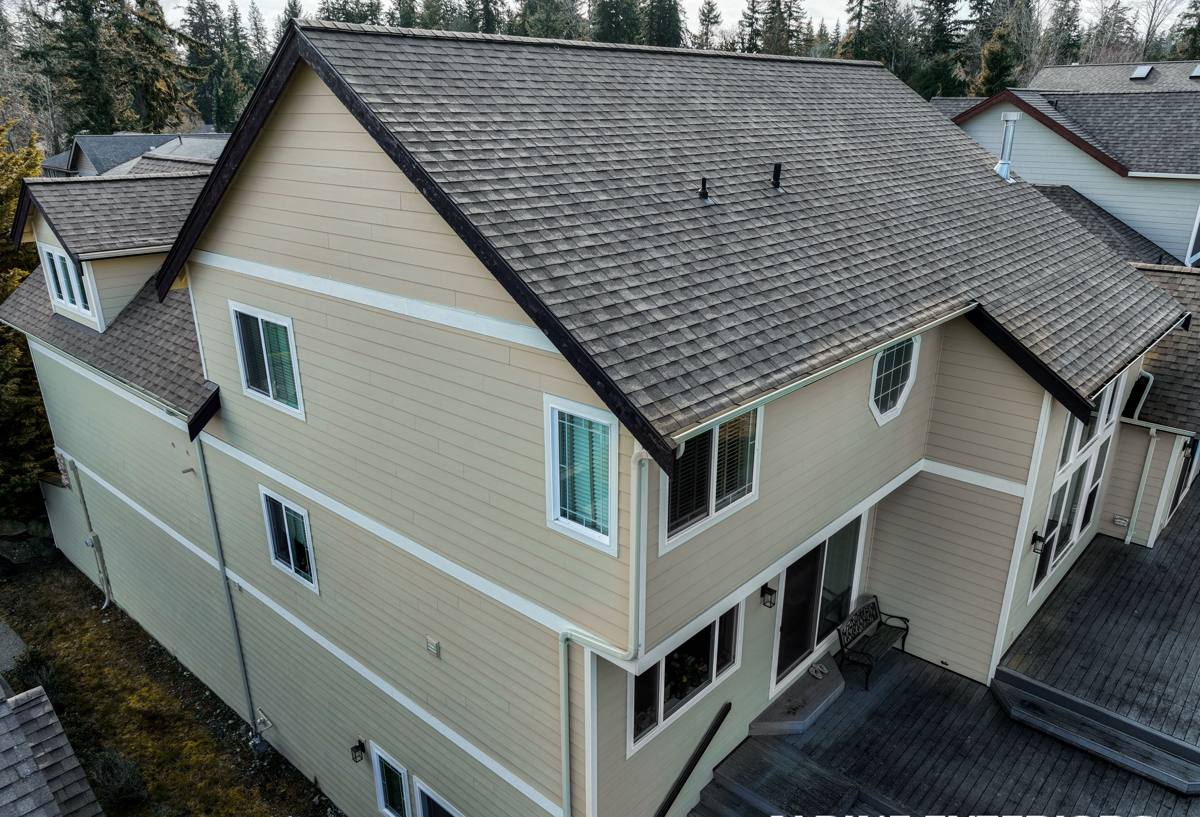
What the Local Climate Does to Windows Over Time
Every coastal neighborhood in this region deals with sun, salt, and storms, but waterfront placement accelerates all three.
Salt Air and Corrosion
Airborne salt settles on window frames, hardware, and screens, and it doesn't wash off completely with rain. Over years it corrodes aluminum frames, pits hardware, and breaks down weatherstripping faster than it would a mile or two inland. Homes directly on the water see this show up first in stuck or stiff locks, pitted screen frames, and frame finishes that chalk or discolor ahead of schedule.
Year-Round UV Exposure
Florida sun is intense for most of the year, not just in summer. UV breaks down vinyl frames, dries out and cracks sealants, and fades interior finishes near windows that get direct exposure. Older single-pane and even some early dual-pane units offer little UV protection, which shows up as sun-faded flooring, furniture, and window treatments long before the glass itself fails.
Wind-Driven Rain
Wind-driven rain is a different problem from ordinary rain — it hits window assemblies at an angle and under pressure, which is exactly the condition older flashing and sealant details weren't designed for. A window that's kept out normal weather for twenty years can still let water in during a sideways summer storm if the flashing, sill pan, or sealant has degraded.
Hurricane-Force Wind Loads
St. Petersburg and Pinellas County sit in Florida's Wind-Borne Debris Region, which means current code requires windows (or the shutters/panels protecting them) to resist both sustained wind pressure and impact from flying debris. Waterfront homes are the most exposed to peak wind speeds during a storm, since there's no windbreak between the house and open water.
Signs Your Windows Are Due for Replacement
Not every window problem means a full replacement, but several signs together usually mean the assembly has reached the end of its useful life rather than needing a repair.
- Fogging or a permanent haze between panes of dual-pane glass — the seal has failed and can't be restored
- Windows that are difficult to open, close, or lock, especially after they've swelled or corroded
- Visible daylight, drafts, or road/water noise coming through closed windows
- Soft, discolored, or bubbling drywall or trim around the window frame
- Frames that are chalky, pitted, or show corrosion at hinges and hardware
- A noticeable jump in cooling costs without other explanation
- Wood rot or visible gaps at the sill, especially on wood-framed original units
- No hurricane rating or documentation, and no separate shutter system, on a home built before current wind codes took effect
What a Correct Window Replacement Job Actually Involves
Swapping the glass unit itself is the easy part. The details that determine whether a window performs for the next twenty years happen around it.
Opening Inspection Before Anything Is Ordered
We check the rough opening for square, level, and hidden damage — rot, corrosion, or prior water intrusion — before ordering product. On older Snell Isle homes, openings are frequently out of square or sized to older, non-standard window dimensions, which affects both fit and cost.
Flashing and Water Management
Correct installation means a sill pan or sloped drainage path so any water that gets past the glazing sheds outward instead of sitting against the framing. This step is invisible once the window is in, but it's the single biggest factor in whether wind-driven rain causes a problem five years down the road.
Fastening to Structure, Not Just Trim
Impact and high-wind-rated windows are only as strong as their anchoring. Fasteners have to reach solid structural framing at the spacing the product's engineering calls for — not just enough screws to hold the window in place day to day, but enough to meet its tested wind-load rating under storm conditions.
Sealant and Weatherproofing
We use sealants rated for continuous UV and salt exposure, not general-purpose caulk that will crack and shrink within a couple of seasons in this climate. Interior and exterior sealing both matter — one manages water, the other manages air infiltration and energy performance.
Finish and Cleanup
Interior trim, exterior stucco or siding transitions, and paint touch-up are part of a finished job, not an afterthought. A window replacement that leaves gaps in trim or unsealed transitions is an invitation for the next storm to find a weak point.
Choosing the Right Window for a Waterfront Home
Homeowners on Snell Isle generally weigh the same core decision: full impact-rated glass, or code-compliant windows paired with separate storm shutters or panels. Both approaches can meet Florida Building Code; they differ in daily convenience, upfront cost, and long-term maintenance.
| Factor | Impact-Rated Windows | Standard Windows + Shutters/Panels |
|---|---|---|
| Storm prep | None — always protected | Requires installing shutters/panels before each storm |
| Daily UV/noise reduction | Laminated glass reduces both year-round | No added benefit until shutters are deployed |
| Upfront cost | Higher per opening | Lower window cost, added shutter/panel cost |
| Long-term maintenance | Frame and glass only | Two systems to maintain (window and shutter hardware) |
| Insurance considerations | Often qualifies for wind mitigation credits | May also qualify, depending on shutter type and documentation |
Frame material is the other major choice. Vinyl resists salt corrosion well and needs little upkeep, but softens under prolonged direct sun exposure if it's a lower-grade product. Aluminum is strong and slim-profile but is more prone to salt corrosion over time unless it has a marine-grade finish. Fiberglass costs more upfront but holds up well against both UV and salt with minimal expansion and contraction. We'll walk through which fits your specific exposure and budget rather than defaulting to one answer for every home.
Permitting and Code Compliance in Pinellas County
Window replacement in St. Petersburg requires a building permit and inspection — this isn't optional paperwork, it's how you get documentation that the work meets current Florida Building Code wind requirements, which matters for insurance and for resale. We handle the permit application, coordinate the required inspection, and provide the product approval documentation (the Notice of Acceptance or Florida product approval number) that ties each window to its tested wind and impact rating. Skipping permitting to save time is a common shortcut with unpermitted work, and it typically surfaces later as a problem during a home sale or insurance claim.
How Our Process Works
- On-site assessment — we walk the exterior and interior of each opening, check for existing damage, and measure for accurate product ordering.
- Product selection — we go over impact vs. shutter approaches, frame materials, and glass options based on your home's exposure and budget.
- Written estimate — a clear scope and price before any commitment, with lead times for ordering explained upfront.
- Permitting — we file with the City of St. Petersburg or Pinellas County as applicable and schedule the required inspection.
- Installation — removal of old units, opening prep, proper flashing and anchoring, and full weatherproofing per manufacturer specification.
- Final inspection and walkthrough — we confirm the permit closes out and walk the finished openings with you.
Why It Matters to Hire a Crew That Already Works Snell Isle
Waterfront neighborhoods come with logistics that inland jobs don't. Narrow lots, seawalls, docks, and mature trees close to the house all affect how a crew stages materials and equipment safely. Homes in this part of St. Petersburg also tend to have older, non-standard window openings, which means accurate field measurement matters more than it would on a newer production-built house where every opening is identical.
A crew that's done this work up and down the Pinellas County coastline already knows what a salt-air-exposed frame looks like after fifteen years versus a properly sealed one, understands the wind-borne debris requirements that apply here, and isn't guessing at flashing details for the first time on your house. That familiarity shows up in fewer surprises during the job and windows that perform the way they're rated to for the long run.
Get a Free, No-Pressure Estimate
If your Snell Isle home has original or aging windows, or you're not sure whether what you have would hold up in the next storm, we're happy to take a look. There's no obligation — just a straightforward assessment and honest recommendations based on your home's actual exposure. Use the form below to request your free estimate.