 St. Petersburg Roofing
 Siding Replacement Built for Snell Isle's Waterfront Climate
Snell Isle sits closer to open water than almost any other residential pocket of St. Petersburg — bordered by canals and bay water on multiple sides, with a mature tree canopy that shades many of its lots. That location is part of what makes the neighborhood desirable, and it's also exactly why siding here takes a harder beating than siding a few miles inland. Salt-laden air moves off the water and settles on exterior surfaces daily. Afternoon storms drive rain sideways into wall assemblies. Pinellas County's UV exposure runs close to year-round. And when a hurricane or tropical system tracks through the bay, homes on Snell Isle's exposed points and canal frontage take direct wind loading that inland properties simply don't see.
Siding replacement on a home like this isn't a cosmetic upgrade — it's a decision about what's going to stand between your walls and that environment for the next several decades. This page covers what Snell Isle homes actually need from a siding system, what correct installation involves in this climate, and why the crew doing the work matters as much as the material itself.
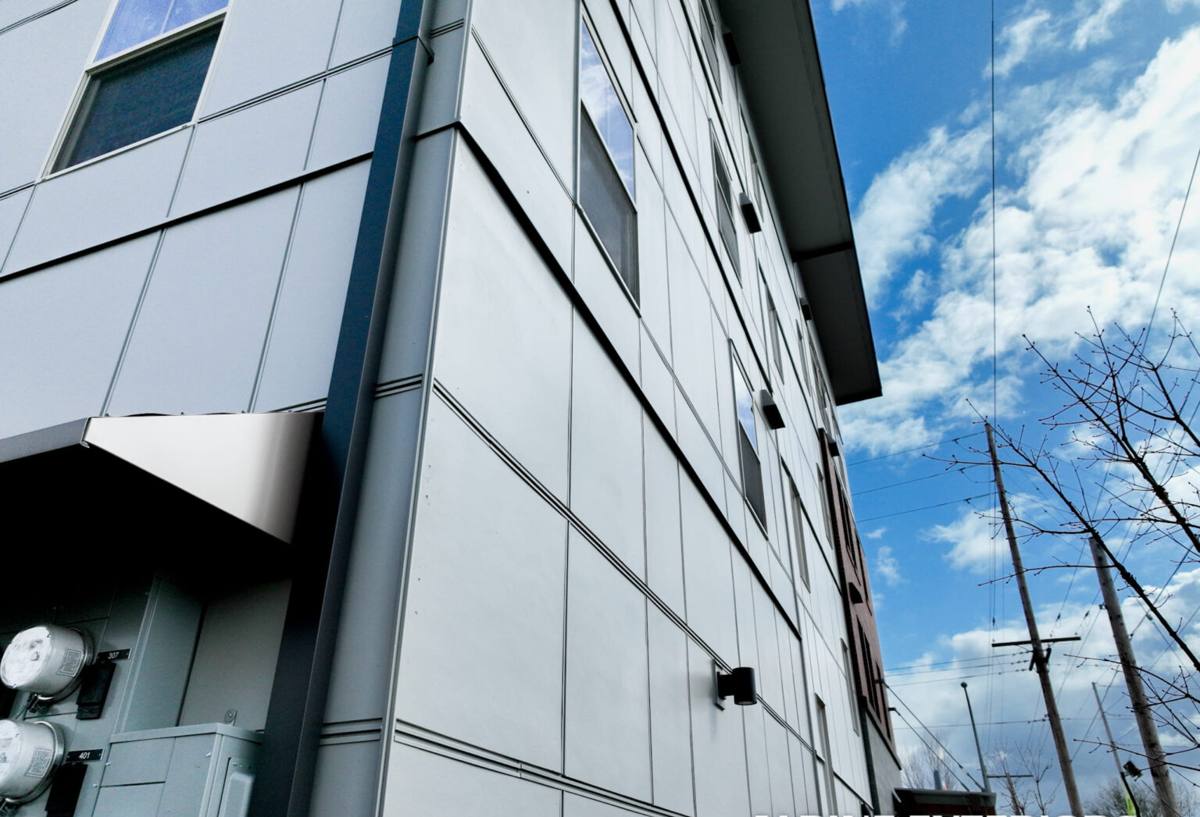
What This Climate Does to Siding Over Time
Every siding material eventually shows wear, but the mechanisms are worth understanding before you replace anything, because they tell you what to guard against the second time around.
Salt Air and Corrosion
Airborne salt from the bay doesn't just affect metal fasteners and flashing — it accelerates the breakdown of paint films, caulk joints, and any wood-based product. On a near-water lot like most of Snell Isle, that exposure is constant, not occasional, which is why fastener choice and finish quality matter more here than they would on a home twenty miles inland.
Wind-Driven Rain and Moisture Intrusion
Florida's storms don't just fall straight down — they get pushed horizontally into wall surfaces, seams, and trim joints. Siding that isn't properly lapped, flashed, and backed by a functioning weather-resistive barrier lets water track behind the cladding and into the sheathing, where it causes rot and hidden damage long before anything looks wrong from the street.
UV and Heat Cycling
Constant sun exposure fades color, dries out caulk, and stresses any material that expands and contracts with heat. Products that rely on field-applied paint are the first to show chalking and fading; factory-cured finishes hold up considerably longer.
Wind Uplift
Hurricane-force gusts put direct pressure on siding panels and their fastening. A siding job that meets code on paper but wasn't fastened to the manufacturer's actual wind-zone spec is a liability the first time a real storm comes through the bay.
Why We Install James Hardie Fiber Cement — and Nothing Else
We standardized on James Hardie fiber cement siding for every home we work on, including Snell Isle, and we don't install vinyl, LP SmartSide, or primed wood siding. That's not a marketing position — it's a professional judgment based on how those materials perform against this specific climate.
Vinyl siding softens and can distort in sustained high heat, and its seams and fastening are more vulnerable to wind uplift in storm-force gusts than a properly installed fiber cement system. Wood-based and engineered wood products depend on an intact factory or field coating to keep moisture out; in a climate with this much humidity, wind-driven rain, and salt exposure, any breach in that coating shortens the product's life fast. Fiber cement doesn't have that vulnerability — it's a cement, sand, and cellulose composite that doesn't rot, doesn't support pest activity, and is non-combustible.
James Hardie also engineers specific product formulations for humid, coastal climates under its HardieZone system, and Gulf Coast Florida falls into the zone that calls for their moisture- and pest-resistant formulation. Combined with the factory-applied ColorPlus finish — baked on and warrantied against fading and chipping rather than painted on site — it's the system that holds up to salt air and sun without the maintenance cycle other materials demand.
| Material | Behavior in Coastal Sun & Salt Air | Wind Performance | Maintenance |
|---|---|---|---|
| James Hardie fiber cement | Factory ColorPlus finish resists fading and salt buildup for years | Engineered and tested fastening schedules for high-wind zones | Occasional rinse; no repainting on the standard warranty cycle |
| Vinyl | Can soften, warp, or discolor under sustained heat | Seams and panels more prone to uplift in gusts | Low, but limited repair options when damaged |
| Engineered wood (LP SmartSide) | Coating breach exposes wood substrate to moisture | Adequate when intact and correctly installed | Requires ongoing coating inspection and touch-up |
| Primed wood/cedar | Most vulnerable to humidity, salt, and UV without diligent upkeep | Adequate when sound; degrades with moisture damage | Highest — regular repainting and joint sealing |
What a Correct Siding Replacement Job Actually Involves
Replacing siding is more than pulling off the old material and nailing up new panels. On a Snell Isle home, every layer underneath the visible siding is doing real work against water and wind, and skipping steps there is where most siding failures actually originate.
Tear-Off and Substrate Inspection
Once the old siding comes off, the sheathing underneath gets inspected for water damage, soft spots, or rot — especially around window and door openings, which are the most common entry points for wind-driven rain. Any compromised sheathing gets replaced before anything new goes on; installing new siding over damaged substrate just hides a problem that will resurface.
Weather-Resistive Barrier
A continuous, properly lapped weather barrier goes over the sheathing before siding installation. This layer — not the siding itself — is the primary defense against bulk water reaching the wall structure, and it has to be installed and taped correctly at every seam and penetration to do its job.
Flashing at Every Penetration
Windows, doors, hose bibs, vents, and any other wall penetration need proper flashing integrated with the weather barrier and siding, in the correct shingled sequence so water is always directed outward and down, never trapped behind the cladding.
Fastening to Manufacturer and Wind-Zone Spec
James Hardie publishes specific fastener types, spacing, and embedment requirements based on wind zone, and Pinellas County's high-velocity exposure means that spec needs to be followed exactly, not approximated. This is also where warranty coverage lives or dies — installation that doesn't meet the manufacturer's requirements can void the product warranty regardless of how good the material itself is.
Clearances and Caulking
Correct clearance from grade, roof lines, and decking prevents standing water and wicking at the bottom edge of the siding. Joints get caulked with a product rated for the application, not just whatever's on the truck.
Our Process for Snell Isle Homes
- On-site assessment — we walk the exterior, check current siding condition, and look at trim, soffit, and fascia since those are often replaced or repaired in the same project.
- Scope and product selection — we go over the right James Hardie product line and profile for your home's style and exposure, along with ColorPlus color options.
- Tear-off and substrate check — old siding comes off and sheathing is inspected before anything new is installed.
- Weather barrier and flashing — installed and sealed at every seam, corner, and penetration.
- Siding installation — fastened to manufacturer spec for our wind zone, with attention to clearances and joint sealing.
- Final walkthrough — we review the completed work with you before calling the job done.
Why Hiring a Crew That Already Works Snell Isle Matters
Siding replacement in this neighborhood isn't identical to siding replacement in a subdivision ten miles from the water. A crew that regularly works this area brings a few practical advantages:
- Familiarity with the age and construction style of homes in established St. Petersburg neighborhoods, including how older wall assemblies were originally built
- Experience working around mature trees, tight lots, and canal-adjacent access that some properties present
- An understanding of the wind-load and moisture conditions specific to near-water exposure, not just generic Florida code minimums
- A working relationship with the permitting process for exterior work in St. Petersburg and unincorporated Pinellas County
- An eye for the architectural character homeowners in established neighborhoods tend to want preserved or complemented, rather than a one-size-fits-all approach
Permitting itself is not optional here — exterior siding replacement typically requires a building permit, and in a high-wind coastal zone, inspectors are checking that fastening and flashing actually meet code, not just that the finished product looks right from the curb. A contractor who pulls permits correctly and builds to inspection standards as a matter of routine saves you from problems that surface later, whether that's a warranty dispute, an insurance claim question, or a resale inspection.
Signs Your Snell Isle Home May Need Siding Replacement
- Visible warping, buckling, or separation at panel seams
- Soft or spongy spots when you press on the siding, especially near the bottom edge or window trim
- Persistent staining or streaking that pressure washing doesn't resolve
- Paint or finish that's chalking, peeling, or fading unevenly
- Rising energy bills that suggest the wall assembly isn't performing the way it should
- Visible gaps, cracked caulk joints, or daylight around trim and penetrations
- Interior signs — musty smells, discoloration on interior walls near exterior corners — that can point to moisture getting in behind the siding
What Affects the Cost of a Siding Replacement
| Factor | Why It Matters |
|---|---|
| Total square footage of exterior wall area | The largest single driver of material and labor cost |
| Home style and trim complexity | Multiple gables, dormers, and detailed trim take more time to flash and fit correctly |
| Story count and access | Second-story and hard-to-access walls require more setup and time |
| Condition of existing sheathing | Water-damaged sheathing found during tear-off adds repair scope |
| James Hardie product line and profile chosen | Lap width, texture, and panel type affect material cost |
| ColorPlus finish selection | Factory-finished color options are priced differently from primed-for-paint options |
We walk every one of these factors with you during the on-site assessment so the estimate reflects your actual home, not a generic square-footage guess.
Get a Straight Answer for Your Home
If your Snell Isle home's siding is showing its age — or you just want an honest read on what shape it's really in before you decide anything — we're glad to take a look. There's no pressure and no obligation, just a straightforward assessment and a clear estimate using James Hardie fiber cement siding, installed the way this climate actually requires. Fill out the form below to schedule your free estimate.